- Run the numbers first: market rent, all expenses, a switch to landlord insurance, and a check of your mortgage and HOA documents.
- As of January 1, 2026, the City of Vancouver requires annual rental registration ($30 per unit) plus a city business license for long-term rentals.
- Washington's screening law, RCW 59.18.257, requires written screening criteria up front and a written adverse action notice for any denial.
- Under RCW 59.18.260, no signed move-in condition checklist means you cannot keep any of the deposit later.
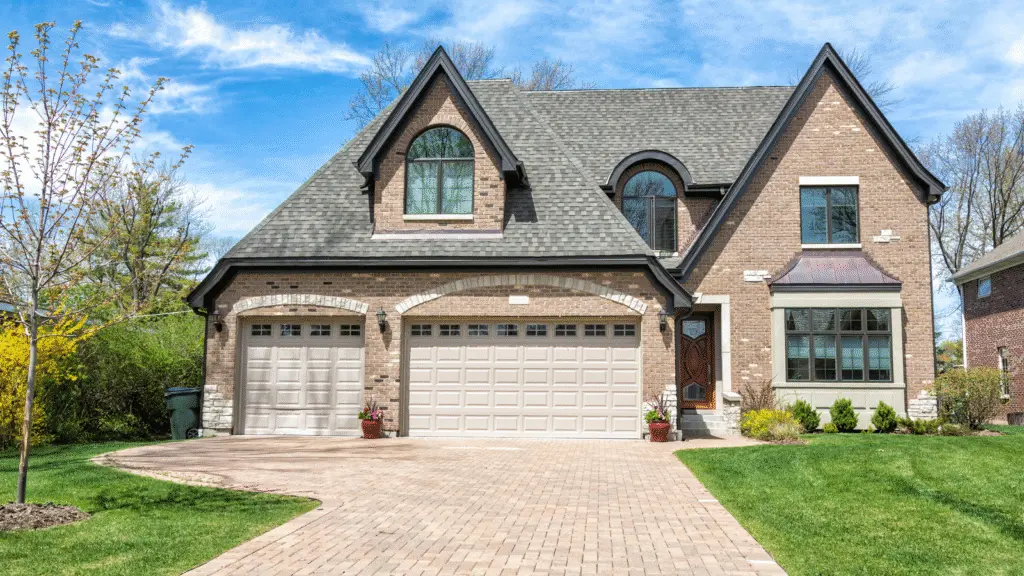
Maybe you are relocating for work, upgrading to a bigger place, or sitting on a mortgage rate you never want to give up. Whatever the reason, you have decided to rent out your house in Vancouver, WA instead of selling it, and now you need to turn a home into a rental business without stepping on the legal rakes Washington leaves out for first-time landlords.
This is the complete process we use at VPMG when an owner brings us a home that has never been rented before. Follow the steps in order. Each one protects the ones after it.
First, Confirm Renting Beats Selling
Before you spend a dollar getting the home rent-ready, make sure renting is actually the right call. Renting wins when the home can cash flow or come close, when you want to keep a low-rate mortgage and let a tenant pay it down, and when you can absorb surprises like a vacancy or a furnace. Selling wins when you need the equity for your next purchase or the monthly numbers are deeply negative. We walk through that math in our guide to renting vs selling your house in Vancouver. If you are still reading, renting won. Here is how to do it right.
Step 1: Run the Numbers Like a Business
Your house becomes an investment property the day a tenant signs, so start with an honest profit-and-loss projection.
- Market rent. Not your mortgage payment plus a margin, and not a national website's estimate. What are comparable homes in your neighborhood actually leasing for right now? Get a free instant rent analysis for a data-backed answer on your specific address.
- Real expenses. Mortgage, property taxes, insurance, any HOA dues, maintenance reserves, and a vacancy allowance. Homes are not occupied 365 days a year forever, and roofs and water heaters do not care about your budget.
- Insurance. A standard homeowners policy is written for an owner-occupied home, and staying on the wrong policy after a tenant moves in can jeopardize a claim. Call your carrier before you list and convert to a landlord policy, often called a dwelling fire or DP-3 policy. Our guide to landlord insurance in Washington covers what these policies include.
- Mortgage and HOA check. If you bought with an owner-occupied loan, review your loan documents for an occupancy clause and talk to your servicer before converting the home to a rental. If the home is in an HOA, read the CC&Rs for rental caps, minimum lease terms, or approval requirements. Finding a restriction after you have signed a lease is an expensive way to learn it exists.
Step 2: Handle the Legal Prep
Washington regulates residential rentals through the Residential Landlord-Tenant Act, RCW 59.18. You do not need to memorize the chapter, but you do need to know the duties it puts on you from day one. Under RCW 59.18.060, landlords must keep the home fit for human habitation, maintain the structure, plumbing, heating, and electrical systems in reasonably good repair, and provide required smoke detection notices. The chapter also governs security deposits, required disclosures, entry notice, and how tenancies end.
Vancouver adds a local layer. The city has long required a business license for long-term rental operators, and as of January 1, 2026 its Rental Registration Program also requires owners to register every non-owner-occupied rental unit inside city limits annually, at $30 per unit. Owner-occupied homes are exempt, and the city has signaled that health-and-safety inspections will follow in a later phase. Program details can change, so confirm current requirements directly with the City of Vancouver before you list. Homes in unincorporated Clark County are outside the city program.
Step 3: Get the Home Rent-Ready
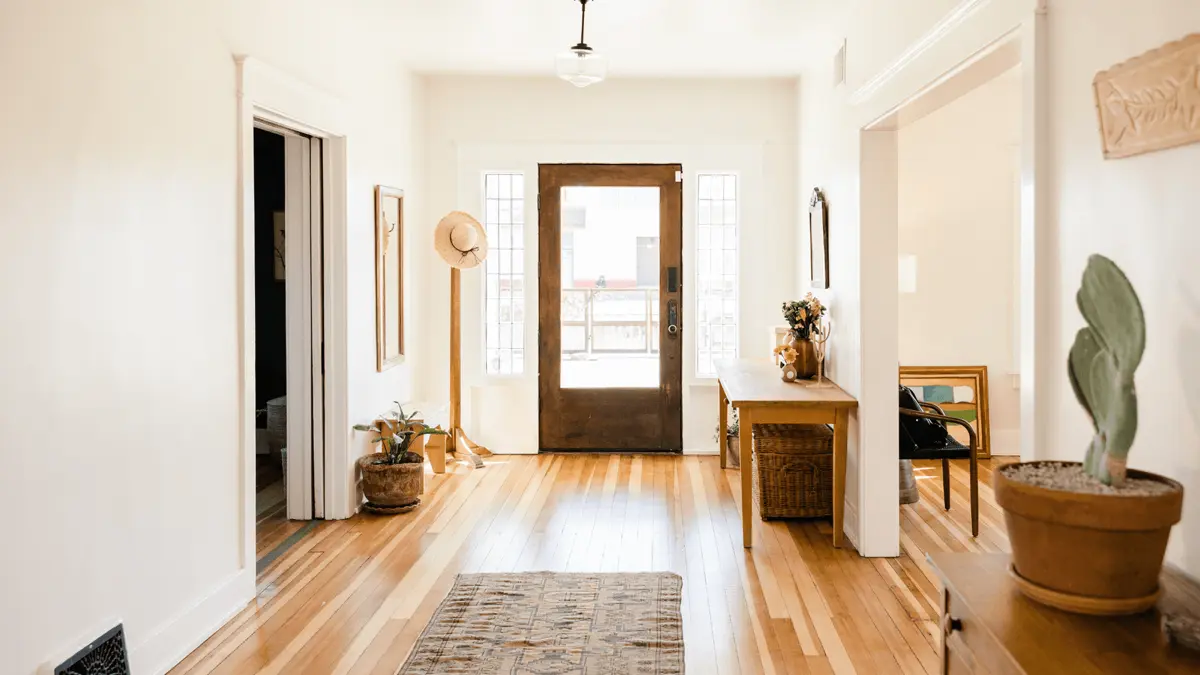
Tenants pay for clean, safe, and functional, in that order. Before photos, walk the home like a skeptical applicant would:
- Service the furnace and water heater, and fix every dripping faucet, sticky door, and dead outlet
- Install working smoke and carbon monoxide detectors and check locks on every door and window
- Repaint scuffed walls in a neutral color and deep-clean or replace worn flooring
- Do a full professional-grade cleaning, including appliances, windows, and baseboards
- Tidy the yard and decide now who handles landscaping during the tenancy, you or the tenant
Also decide what stays. Appliances usually rent the home faster; your grandmother's hutch does not. A rental should be empty of anything you would be upset to lose. For the full punch list, see how to get your rental property ready for tenants.
Step 4: Price It on Comps, Not Emotion
Overpricing is the most expensive mistake a first-time landlord makes, because every extra vacant week costs a full week of rent while you wait for a number the market already rejected. Pull three to five comparable homes, similar size, condition, and neighborhood, that actually rented in the last couple of months, and price against those. Rents vary block by block here; our breakdown of average rent in Vancouver by neighborhood shows how wide the spread runs. If the phone is quiet after the first week at your price, the market has answered.
Step 5: Market It Everywhere That Matters
Good marketing is simple and non-negotiable: bright, sharp photos of a spotless home and an accurate description that states rent, deposit, lease term, and the pet policy up front. Syndicate the listing to the major rental sites rather than posting in one place, respond to inquiries within hours, and make showings easy to book. Speed matters, because qualified renters are usually moving on a deadline and lease from whoever responds first with a home that matches the listing.
Step 6: Screen Tenants the Legal Way
Tenant selection is the highest-stakes decision in this entire process, and it is also where Washington law is most specific. Under RCW 59.18.257, before you run any screening you must give applicants written notice of what information you will access and what criteria can result in denial. If you deny an applicant, or approve with conditions such as a larger deposit or a co-signer, you must send a written adverse action notice stating the reasons. Skipping these steps can make you liable to the applicant, plus court costs and attorney fees.
Beyond the paperwork, screen on substance: verified income, a full credit review, a background check, and direct calls to previous landlords, with the same written criteria applied to every applicant. Consistency is your fair housing protection as much as your quality filter. Our guide on how to screen tenants in Washington State walks through the whole process, including what you legally cannot consider.
A vacant month costs you one month of rent. The wrong tenant can cost you a year of it. Screening is where you earn your return.
Step 7: Sign a Real Lease and Document Move-In Condition
Use a written Washington-specific lease, not a generic form pulled off the internet. It should cover rent, due dates and late fees, the deposit, maintenance responsibilities, pets, smoking, landscaping, occupancy limits, and every disclosure state law requires.
Then comes the step first-time landlords skip most often, and regret most: the move-in condition checklist. Under RCW 59.18.260, you must provide a written checklist describing the unit's condition, signed by both you and the tenant, before collecting any deposit. Without it, Washington law bars you from keeping any of the deposit at move-out, no matter the damage. Pair the checklist with dated photos of every room; when the tenancy ends, RCW 59.18.280 gives you 30 days to return the deposit with an itemized statement, and that documentation backs every deduction.
Step 8: Manage It Yourself, or Hire It Out
Everything above gets the tenant in the door. What follows is the actual job: collecting rent, coordinating repairs at 11 pm, running inspections, renewing the lease at market rate, and staying current on a landlord-tenant act that Olympia amends regularly. Some owners enjoy that work. Most first-time landlords have a full-time job and, often, a new city between them and the property.
That is the case for professional management. VPMG manages Vancouver rentals for a flat 8% of collected rent, with no setup fees, no vacancy fees, and no lease renewal fees. If the home is not earning, neither are we. Marketing, legally compliant screening, the lease, move-in documentation, maintenance, and deposit accounting are all handled, and you get a direct line to a local team at (360) 803-2002. See how the flat fee compares on our pricing page.
Mistakes First-Time Landlords Make
After years of taking over homes from owners who tried it alone first, the same mistakes show up again and again:
- Renting to the first applicant with cash in hand, skipping screening because the vacancy feels urgent
- Staying on a homeowners insurance policy after the tenant moves in
- Skipping the signed move-in checklist, which forfeits the entire deposit claim under RCW 59.18.260
- Pricing on their mortgage payment instead of market comps, then eating months of vacancy
- Handshake agreements with friends or family instead of a written lease
- Not registering with the City of Vancouver or skipping the business license
- Treating the rental like their home, dropping by unannounced instead of following Washington's entry notice rules
Every one of these is cheap to avoid and expensive to fix. Owners who do well treat the house like a business from day one, not after the first dispute.
Thinking About Renting Out Your Vancouver Home?
VPMG Property Management handles everything in this guide for a flat 8% of collected rent, with no setup, vacancy, or renewal fees. Start with a free instant rent analysis, call (360) 803-2002, email info@vancouverpmg.com, or get in touch here.
Frequently Asked Questions
Do I need a license to rent out my house in Vancouver, WA?
Yes. The City of Vancouver requires long-term rental owners to hold a city business license, and as of January 1, 2026 the city also requires every non-owner-occupied rental unit inside city limits to be registered annually under its Rental Registration Program, with a $30 per-unit annual fee. Owner-occupied homes are exempt, and fees are waived for units with legal affordability restrictions. Requirements can change, so confirm the current rules with the City of Vancouver before you list.
How much can I rent my house for in Vancouver, WA?
It depends on your neighborhood, the home's size and condition, and what comparable rentals are actually leasing for right now, not on your mortgage payment or what a national rent estimator guesses. Pull three to five true comparables that rented recently, adjust for condition and features, and price to lease within the first couple of weeks. VPMG offers a free instant rent analysis that shows what your specific home should earn in the current Vancouver market.
Do I need landlord insurance to rent out my house?
You should not rent out a home on a standard homeowners policy. Homeowners policies are written for owner-occupied houses, and renting the home to a tenant changes the risk your insurer agreed to cover, which can jeopardize a claim. Before a tenant moves in, tell your insurance carrier the home will be a rental and convert to a landlord policy, sometimes called a dwelling fire or DP-3 policy, and consider requiring renters insurance from your tenant.
What are the legal requirements for renting out a house in Washington State?
Washington's Residential Landlord-Tenant Act, RCW 59.18, sets the core rules. Landlords must keep the home fit for human habitation and in good repair under RCW 59.18.060, give written notice of screening criteria before running a screening report and send a written adverse action notice for any denial or conditional approval under RCW 59.18.257, provide a signed move-in condition checklist before collecting a deposit under RCW 59.18.260, and return the deposit with an itemized statement within 30 days of move-out under RCW 59.18.280. Local rules, including Vancouver's rental registration, apply on top of state law.
Should I manage my Vancouver rental myself or hire a property manager?
Self-managing works if you have the time to market the home, screen applicants legally, handle maintenance calls, and keep up with Washington landlord-tenant law. If you would rather not run a second job, professional management is inexpensive relative to one bad tenant or one legal mistake. VPMG manages Vancouver rentals for a flat 8% of collected rent with no setup fees, no vacancy fees, and no lease renewal fees, and only gets paid when you do.

Written by Avenir Gedarevich, Washington State Designated Broker (WA Managing Broker License #24033559) at VPMG Property Management in Vancouver, WA.