- Since July 27, 2025 (HB 1003), every Washington termination notice must state the exact calendar date by which the tenant must pay, comply, or vacate — "within 14 days" is no longer good enough.
- A notice without a specific date is defective, and a defective notice can get your unlawful detainer case dismissed.
- As of June 11, 2026 (HB 2664), the mailed copy of a notice may go by regular first-class mail — the short-lived certified-mail requirement is gone.
- Whenever any part of service happens by mail, you must add five days before filing the eviction lawsuit.
- Old notice templates are the #1 compliance trap — update every form you use before you need it.
Washington rewrote the rules for serving eviction and termination notices — twice in twelve months. House Bill 1003 took effect on July 27, 2025 and changed what every notice must say; House Bill 2664 followed on June 11, 2026 and changed how the mailed copy travels. If you're still using a notice template from 2024, there is a real chance it no longer holds up in court.
This guide walks Vancouver, WA landlords through the current requirements of RCW 59.12.040 step by step: the specific-date rule, the three lawful service methods, the five-day mailing cushion, and the template fixes to make today. It builds on our broader guides to the Washington eviction process and evictions in Clark County.
The Big Change: Notices Must Name an Exact Date
Before HB 1003, the standard practice was relative deadlines — "pay rent within 14 days or vacate," "comply within 10 days." Tenants (and judges) were left to do the date math, and disputes over when a notice period actually expired were common.
HB 1003 amended RCW 59.12.040 to end that. The statute now says a termination notice served under it "shall specify in the notice the date by which the person to whom the notice is sent must vacate or, if applicable, comply." In plain terms:
- A 14-day pay-or-vacate notice must state the actual calendar date — e.g., "by July 25, 2026" — not just "within 14 days."
- A 10-day comply-or-vacate notice must name the specific compliance date.
- Any other termination notice served the same way — including notices ending a tenancy for a cause listed in RCW 59.18.650 — needs its own explicit date.
The rule applies to notices however they are delivered, and it is not optional. A notice that leaves the date out is defective, and in unlawful detainer court, defective notice is one of the most common reasons cases get dismissed — sending you back to day one, with the tenant still in place and your filing fees spent.
How You May Serve a Notice (RCW 59.12.040)
The service methods themselves are long-standing, and they work as a cascade — you must genuinely attempt the first before falling back to the next:
- 1. Personal service. Hand the notice to the tenant. This is always the preferred method, and it starts the notice clock immediately with no extra days.
- 2. Substituted service. If the tenant is absent, leave a copy with a person of suitable age and discretion at the residence and mail a copy to the tenant.
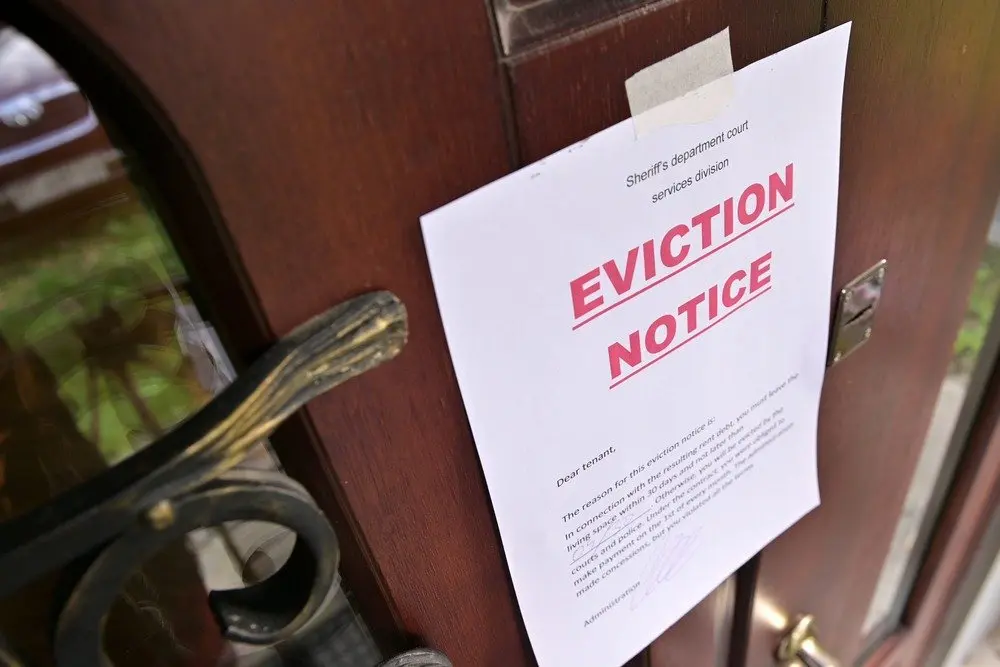
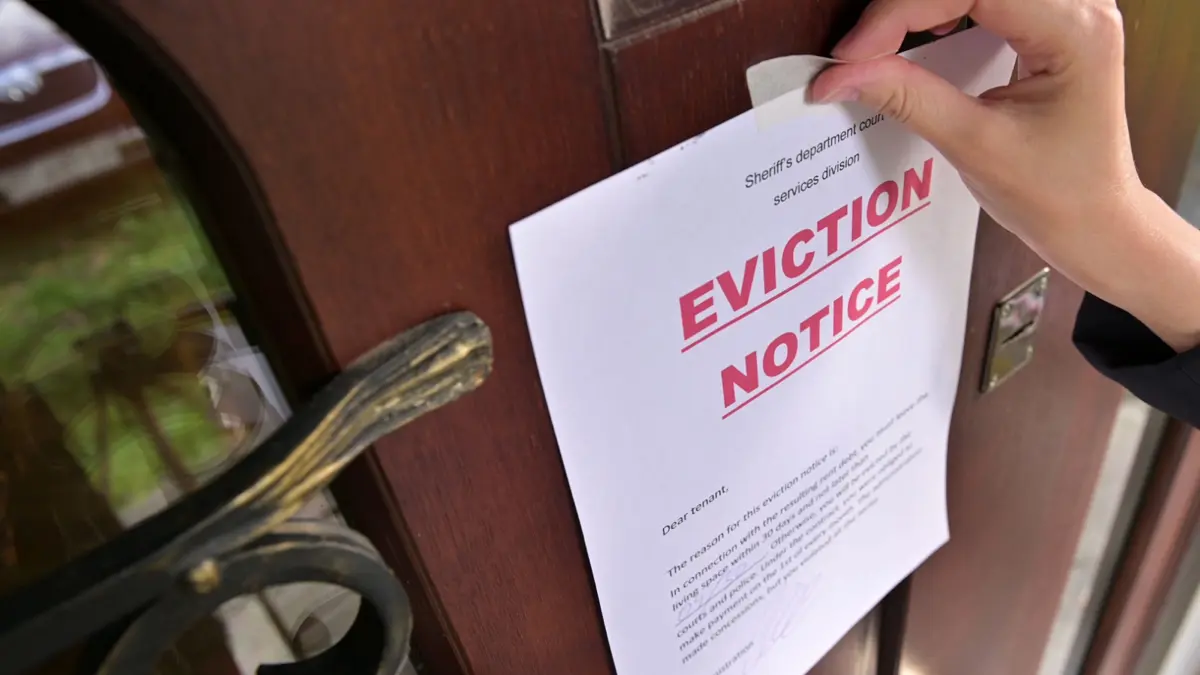
- 3. Post and mail. If no person of suitable age and discretion can be found, affix the notice in a conspicuous place on the premises (the front door is standard) and mail a copy.
Two practical notes. First, take a time-stamped photo whenever you post a notice — proof of service wins cases. Second, "conspicuous" means visible, not tucked into a mailbox; using the mailbox is a federal no-no anyway unless it goes through the postal service.
Certified Mail Is Out — First-Class Mail Is Back (HB 2664)
Here's the part that changed just weeks ago. HB 1003 originally required the mailed copy to be sent by certified mail, posted from within Washington. That created real friction — certified mail is slower, costs more, and a tenant who declines to sign for it created ambiguity landlords didn't need.
The legislature listened. HB 2664 passed both chambers unanimously and took effect June 11, 2026. It removed the certified-mail language from RCW 59.12.040: the mailed copy now simply goes through regular mail to the tenant's residence (or the premises, depending on the scenario). You are free to keep using certified mail for the receipt trail — many attorneys still recommend it for high-stakes notices — but it is no longer a legal requirement, and a notice mailed first-class is fully compliant.
The Five-Day Mail Rule (Don't Skip This Math)
Unchanged by both bills, and still the most common timing mistake: whenever a copy of the notice is sent through the mail, five additional days must pass before you may commence the unlawful detainer action.
The safest practice is to build the mailing days into the date you write on the notice itself. An example for a 14-day pay-or-vacate notice served by post-and-mail on July 7:
- Day 0 — July 7: notice posted on the door and a copy mailed first-class.
- 14-day period: July 8 through July 21.
- Five mailing days: through July 26.
- Date to write on the notice: "on or before July 26, 2026" — and you file no earlier than July 27.
Filing even one day early hands the tenant's attorney an easy dismissal. When in doubt, add a day — an extra day of waiting is far cheaper than re-serving and refiling.
Which Notices Does This Cover?
The specific-date and service rules apply to termination notices served under chapter 59.12 RCW — the notices that can end a tenancy. In day-to-day landlording that means your 14-day pay-or-vacate notices (see our guide to late rent notices done right), 10-day comply-or-vacate notices for lease violations, 3-day notices for waste or nuisance, and cause-based termination notices under RCW 59.18.650. Routine non-termination notices — entry notices, rent-increase notices under their own statutes — have separate rules; our overview of Washington's notice requirements covers those timelines.
What Vancouver Landlords Should Do Now
- Audit every notice template you own. If a form says "within X days" anywhere a termination deadline should be, add a blank for the exact calendar date. Do this now, not the night you need to serve one.
- Write the date math into your process. Statutory period + five days whenever mail is involved, counted from the day after service. Then file the day after the stated date passes.
- Document service every time. Photo of the posted notice, a service declaration from whoever delivered it, and the mailing receipt (certified or first-class with proof of mailing).
- Don't forget the county overlay. Clark County unlawful detainer cases move through their own local rhythm — our Clark County eviction guide covers the courthouse side.
- Escalate early when rent stops. The full playbook, from reminder to notice to filing, is in our guide on what to do when a tenant doesn't pay rent.
Evictions in Washington are rarely lost on the merits — they're lost on paperwork. An exact date on the notice, the right service method, and five extra days for the mail are what keep a straightforward case straightforward.
Let VPMG Handle the Notices
VPMG Property Management serves every notice for our Vancouver, WA owners on current, attorney-reviewed forms — exact dates, proper service, documented proof — so a missed technicality never costs you a month of rent. Call (360) 803-2002 or email info@vancouverpmg.com for a free rental consultation.
Frequently Asked Questions
Does a Washington eviction notice have to state a specific date?
Yes. Since HB 1003 took effect on July 27, 2025, every termination notice served under RCW 59.12.040 must state the exact calendar date by which the tenant must vacate or, if applicable, comply. A notice that only says "within 14 days" without naming the date is defective and can get your unlawful detainer case dismissed.
Do I still have to use certified mail for eviction notices in Washington?
Not anymore. HB 1003 originally required the mailed copy to be sent by certified mail posted from within Washington. HB 2664, effective June 11, 2026, removed the certified-mail requirement — regular first-class mail is now sufficient when you serve by substituted service or posting. Many landlords still choose certified mail for the paper trail, but it is no longer mandatory.
How many extra days do I add when an eviction notice is mailed?
Five. Whenever a copy of the notice is sent through the mail, RCW 59.12.040 requires five additional days before you may start an unlawful detainer action. Build those days into the specific compliance date you write on the notice.
What happens if my notice just says "within 14 days"?
It is non-compliant under the current version of RCW 59.12.040. Courts can dismiss an unlawful detainer case built on a defective notice, forcing you to re-serve a corrected notice and start the waiting period over — typically adding weeks to the timeline.
What are the legal ways to serve an eviction notice in Washington?
RCW 59.12.040 allows three methods: personal delivery to the tenant; substituted service — leaving a copy with a person of suitable age and discretion at the property and mailing a copy; or, if no such person can be found, posting the notice conspicuously on the premises and mailing a copy. Whenever mail is involved, add five days before filing.
This article is general information for Washington rental owners, not legal advice. Eviction law is technical and changes often — confirm current requirements with the statute or a qualified landlord-tenant attorney before serving a notice.

Written by Avenir Gedarevich, Washington State Designated Broker (WA Managing Broker License #24033559) at VPMG Property Management in Vancouver, WA.