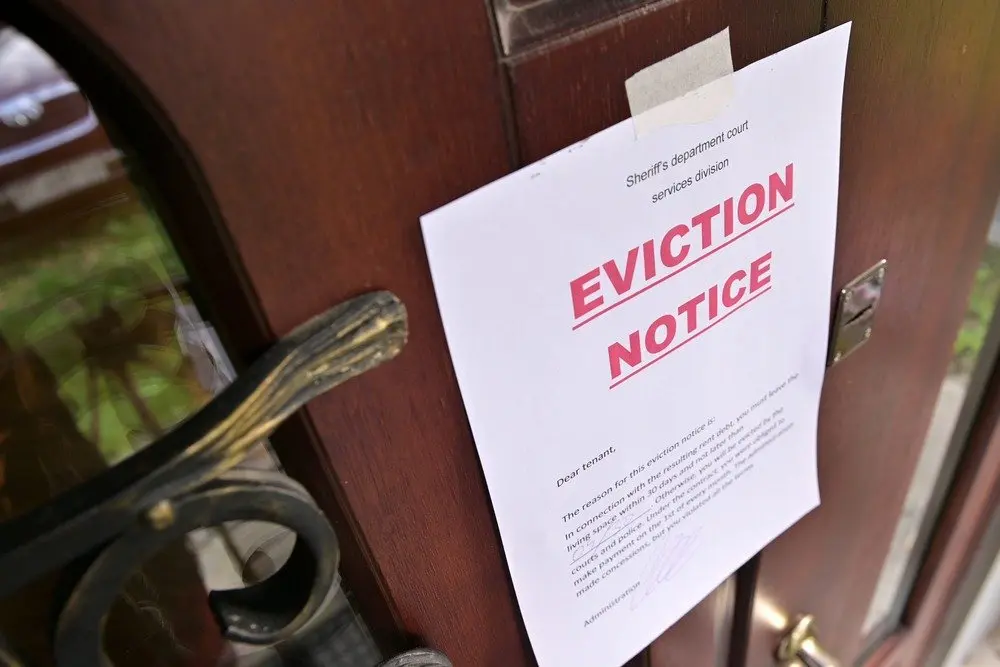
- Washington's implied warranty of habitability lives in RCW 59.18.060 — landlords must keep a rental structurally sound, weathertight, pest-controlled, and supplied with working heat, hot and cold water, electricity, and plumbing.
- After written notice, RCW 59.18.070 sets repair deadlines: 24 hours for no heat, water, or electricity; 72 hours for refrigerator, range/oven, or a major plumbing fixture; 10 days for everything else.
- The heat standard is roughly 68°F — a unit that can't be heated to that level generally fails habitability.
- Tenants generally should not just stop paying rent. The legal remedies are repair-and-deduct (RCW 59.18.100), rent escrow when a city certifies the unit unfit (RCW 59.18.115), ending the lease, or suing for abatement.
- This is general information for Vancouver, WA and Clark County landlords and tenants — not legal advice for a specific dispute.
Every rental home in Washington comes with a legal promise built in: that it will be fit to live in. That promise — the implied warranty of habitability in Washington — is written into the Residential Landlord-Tenant Act (RCW Chapter 59.18), and it sets clear duties for landlords and clear remedies for tenants. Yet it is one of the most misunderstood areas of landlord-tenant law. Owners sometimes overreact to a cosmetic complaint, or worse, ignore a no-heat emergency until it becomes a lawsuit. Tenants sometimes stop paying rent and accidentally hand their landlord grounds for eviction.
This guide breaks down Washington State habitability laws the way they actually work: what makes a unit habitable under RCW 59.18.060, how fast a landlord must respond after written notice under RCW 59.18.070, the heat-and-temperature standard, and what a tenant can — and cannot — legally do when a home becomes uninhabitable. Everything here is grounded in the actual statutes so you can act with confidence in Vancouver, WA and across Clark County.
The Implied Warranty of Habitability in Washington
The implied warranty of habitability is the legal principle that every residential lease in Washington carries an automatic, non-waivable promise: the landlord will keep the home reasonably fit to live in for the entire tenancy. Tenants cannot sign this protection away, and a "rented as-is" clause does not erase it. In Washington, the warranty is not a vague common-law idea — it is codified directly in the Residential Landlord-Tenant Act, primarily at RCW 59.18.060, which lists the landlord's specific duties, and at RCW 59.18.070, which sets the deadlines for fixing problems. Together, these statutes turn an abstract promise into a concrete, enforceable checklist. For a wider view of how these duties fit alongside deposits, entry, and termination rules, see our guide to Washington tenant rights.
What Makes a Rental "Habitable" in Washington? (RCW 59.18.060)
Washington's core landlord obligations are listed in RCW 59.18.060. A landlord must keep the premises fit for human habitation and, throughout the tenancy, maintain the home in compliance with applicable building and health codes that materially affect health and safety. In plain terms, the landlord must:
- Keep the structure — roof, floors, walls, chimneys, fireplaces, and foundation — in reasonably good repair and weathertight.
- Keep shared common areas reasonably clean, sanitary, and free of fire and accident hazards.
- Provide and maintain a reasonable pest-control program (except where the tenant caused the infestation).
- Keep electrical, plumbing, and heating systems, plus any landlord-supplied appliances, in reasonably good working order.
- Provide adequate heat, hot and cold running water, and electricity as reasonably required.
- Provide adequate locks and keys.
- Install and maintain smoke detection devices (and carbon monoxide alarms where required).
- Maintain the dwelling in compliance with applicable building, housing, and safety codes.
RCW 59.18.060 also requires certain written disclosures — fire-safety and sprinkler information, mold-prevention information, and a way to contact the landlord. Importantly, the landlord is not responsible for conditions the tenant caused, nor for repairs the tenant unreasonably blocks by refusing access.
What Does NOT Make a Unit Uninhabitable
Not every complaint is a habitability violation. Conditions that generally do not rise to that level include cosmetic wear (scuffs, faded paint, worn carpet), minor appliance quirks, slow drains the tenant can clear, and damage or surface mold caused by a tenant's own poor ventilation or housekeeping. The legal test is whether the condition meaningfully affects the home's fitness for living, not whether it is annoying. For the gray areas, our guide to who pays for repairs — landlord vs. tenant in Washington walks through who is responsible for what.
What Temperature Is Considered Uninhabitable for Renters?
This is one of the most-searched habitability questions in Washington, and the answer comes from the building code rather than the landlord-tenant statute itself. Under WAC 51-51-0303 (Washington's adoption of the International Residential Code), every dwelling unit must have heating facilities capable of maintaining a minimum room temperature of 68°F, measured 3 feet above the floor and 2 feet from exterior walls, in all habitable rooms at the winter design temperature.
Practically speaking, if a unit cannot be heated to roughly 68°F, the heating system fails the code and the unit is generally treated as uninhabitable. A few cities layer on their own rules — Seattle, for instance, sets specific minimum daytime and nighttime temperatures during the heating season — but Vancouver and unincorporated Clark County follow the state standard. Either way, a complete loss of heat is a 24-hour emergency under the repair-timeline statute below. Temperature now cuts the other way as well: since June 11, 2026, tenants generally have the right to install portable cooling devices, as our guide to Washington's portable AC law explains.
Repair Deadlines After Written Notice (RCW 59.18.070)
Habitability duties only have teeth once the tenant gives the landlord written notice of the defect. From the moment that notice is received, RCW 59.18.070 requires the landlord to commence remedial action within strict windows. These are not suggestions — missing them is what unlocks the tenant's remedies. (Written notice is a recurring theme across the Act; our overview of Washington State notice requirements for landlords covers the other notices that carry their own deadlines.)
| Defect | Landlord Must Begin Repair Within | Statute |
|---|---|---|
| No hot or cold water, no heat, no electricity, or any condition imminently hazardous to life | 24 hours | RCW 59.18.070 |
| No use of refrigerator, range and oven, or a major plumbing fixture supplied by the landlord | 72 hours | RCW 59.18.070 |
| All other defective conditions | 10 days | RCW 59.18.070 |
The clock measures when repairs must begin; the work itself must then be completed as promptly as conditions reasonably permit. If something genuinely beyond the landlord's control (a parts backorder, a city permit) causes delay, the landlord must still remedy the condition as soon as possible.
Habitability law is a clock that doesn't start until the tenant gives written notice — and doesn't stop until the repair begins on time. Documentation, not good intentions, is what protects both sides.
Do I Have to Pay Rent If My House Is Uninhabitable?
This is the question that gets the most tenants in trouble. In Washington, the safest answer is usually: keep paying rent and use the proper legal remedy rather than simply stopping. The Residential Landlord-Tenant Act does not give tenants a general right to "withhold rent" for habitability problems, and a tenant who unilaterally stops paying can be served with an eviction notice for nonpayment — even if the underlying complaint was legitimate.
What the law does provide, once you have given written notice and the landlord has missed the RCW 59.18.070 deadline, is a set of structured remedies:
- Repair and deduct (RCW 59.18.100): hire a licensed contractor, pay for the repair, and deduct the cost from rent — subject to the limits in the next section.
- Rent escrow (RCW 59.18.115): when a local government inspects and certifies that the unit is substantially unfit for habitation or poses a substantial risk to health and safety, the tenant may deposit rent into an escrow account (with the court clerk, a financial institution, or an attorney) instead of paying the landlord, after notifying the landlord in writing within 24 hours.
- Terminate the tenancy: if the condition is serious enough and goes unrepaired, the tenant may be able to end the lease.
- Sue for rent abatement and damages: a court can reduce the rent owed to reflect the diminished value of an uninhabitable home.
The common thread: each of these is a process with notice requirements. Following the process protects the tenant. Skipping it and simply not paying generally does not.
The Repair-and-Deduct Remedy (RCW 59.18.100)
RCW 59.18.100 lets a tenant fix a covered defect and subtract the cost from rent after the landlord fails to act within the statutory deadline. The dollar limits are expressed as multiples of the tenant's own monthly rent rather than fixed amounts:
| Remedy track | Per-repair limit | 12-month limit | Estimate required? |
|---|---|---|---|
| Standard repair-and-deduct | Up to 2 months' rent | Up to 2 months' rent | Yes — good-faith estimate first |
| Smaller repairs | Up to 1 month's rent | Up to 1 month's rent | No, if cost ≤ one month's rent |
Repairs must be done by a licensed contractor where required, in a workmanlike manner, and the tenant must give the landlord the deadline-triggering written notice first. Because these caps and notice rules are easy to get wrong, tenants are wise to read the statute carefully or get advice before deducting. Our overview of Washington State rental laws puts these remedies in context with the rest of the Residential Landlord-Tenant Act.
Mold, Pests, and Other Common Habitability Disputes
Two issues generate more habitability complaints than almost anything else: mold and pests. RCW 59.18.060 requires landlords to provide mold-prevention information and to keep the structure weathertight, but tenant ventilation habits matter too — the line between landlord-caused and tenant-caused mold is fact-specific and frequently contested. See our detailed guide to handling mold in rentals for how responsibility is actually allocated. On pests, the landlord must run a reasonable control program except where the tenant introduced the infestation. In both cases, prompt written communication and good documentation usually decide who is liable — and careful tenant screening in Washington up front reduces how often you end up in these fact-fights at all.
Stay Compliant Without the Stress
As a full-service property management company in Vancouver, WA, VPMG keeps rentals fully compliant with Washington habitability law — fast, documented responses to every maintenance request and the records to prove it. Talk to our team at (360) 803-2002 or info@vancouverpmg.com, learn more about VPMG, or explore our property maintenance services.
How Landlords Can Stay on the Right Side of the Law
- Treat written notice as a deadline trigger. Log the date and time every maintenance request arrives, and map it to the 24-hour / 72-hour / 10-day window.
- Move fast on the emergencies. No heat, water, or electricity means action within 24 hours — have on-call vendors lined up before you need them, and know how to triage rental maintenance emergencies the moment the call comes in.
- Document everything in writing. Use email or written work orders, not text-only threads, and keep dated records of when work began and finished.
- Inspect proactively. Routine inspections catch weatherproofing, plumbing, and heating problems before they become habitability violations. Seasonal hazards belong on the same calendar — our guide to preparing Clark County rentals for wildfire smoke season covers filtration, sealing, and tenant communication.
- Know the disclosures. Provide the fire-safety, mold, and landlord-contact information RCW 59.18.060 requires at move-in.
Is There a "Certificate of Habitability" in Washington?
Many people search for a certificate of habitability, expecting a single document a landlord must obtain. Washington has no such statewide certificate. Habitability is defined by the ongoing duties in RCW 59.18.060, not by a piece of paper. The nearest equivalent is local code enforcement: under RCW 59.18.115, a city or county can inspect a rental and certify that it is substantially unfit for habitation — which is what unlocks the tenant's rent-escrow remedy. Some jurisdictions also run rental-registration or inspection programs, but there is no universal habitability certificate in state law. Vancouver is one of them: the city's registration program adds mandatory health and safety inspections starting in mid-2027, covered in our guide to Vancouver's rental inspection program.
Frequently Asked Questions
Do I have to pay rent if my house is uninhabitable in Washington?
In most cases you should keep paying rather than simply stop. Washington does not give tenants a blanket right to withhold rent for habitability problems, and unpaid rent can lead to an eviction for nonpayment. After written notice and a missed repair deadline, use the proper remedies instead: repair-and-deduct under RCW 59.18.100, rent escrow under RCW 59.18.115 when a local government certifies the unit substantially unfit, ending the tenancy, or suing for rent abatement. The statutory process protects you; unilateral withholding usually does not.
What makes a rental uninhabitable in Washington State?
Under RCW 59.18.060, a unit is uninhabitable when the landlord fails to keep it fit for occupancy — no working heat, no hot or cold water, no electricity, a structure that is not weathertight or sound, dangerous electrical or plumbing, a serious landlord-responsible pest infestation, missing smoke or carbon monoxide detectors, or code violations that endanger health or safety. Cosmetic wear, minor issues, and tenant-caused damage generally do not qualify.
What temperature is considered uninhabitable for renters in Washington?
Washington's building code (WAC 51-51-0303) requires heating facilities capable of maintaining at least 68°F, measured 3 feet above the floor and 2 feet from exterior walls, in all habitable rooms at the winter design temperature. A home that cannot reach roughly 68°F generally fails the heat requirement and can be treated as uninhabitable. Some cities like Seattle set their own minimums; Vancouver and unincorporated Clark County follow the state standard. Loss of heat is a 24-hour emergency under RCW 59.18.070.
How long does a landlord have to make repairs in Washington?
Under RCW 59.18.070, after written notice the landlord must begin remedial action within: not more than 24 hours for no hot/cold water, heat, or electricity, or any imminently life-threatening hazard; not more than 72 hours for loss of a refrigerator, range and oven, or a major landlord-supplied plumbing fixture; and not more than 10 days in all other cases. Repairs must then be completed promptly, and as soon as possible if delay is beyond the landlord's control.
Is there a certificate of habitability in Washington State?
No. Washington has no single statewide certificate of habitability. Habitability is defined by the landlord's duties in RCW 59.18.060. The closest mechanism is local code enforcement under RCW 59.18.115, where a city or county can certify a unit substantially unfit and trigger the tenant's rent-escrow remedy. Some areas run rental inspection programs, but no universal certificate exists in state law.
This article is general information about Washington State habitability law, not legal advice. Statutes and local ordinances change, and every situation is different. For a specific dispute, consult a Washington attorney or your local code-enforcement office. Have a question about a Vancouver, WA rental? Contact VPMG.

Written by Avenir Gedarevich, Washington State Designated Broker (WA Managing Broker License #24033559) at VPMG Property Management in Vancouver, WA.