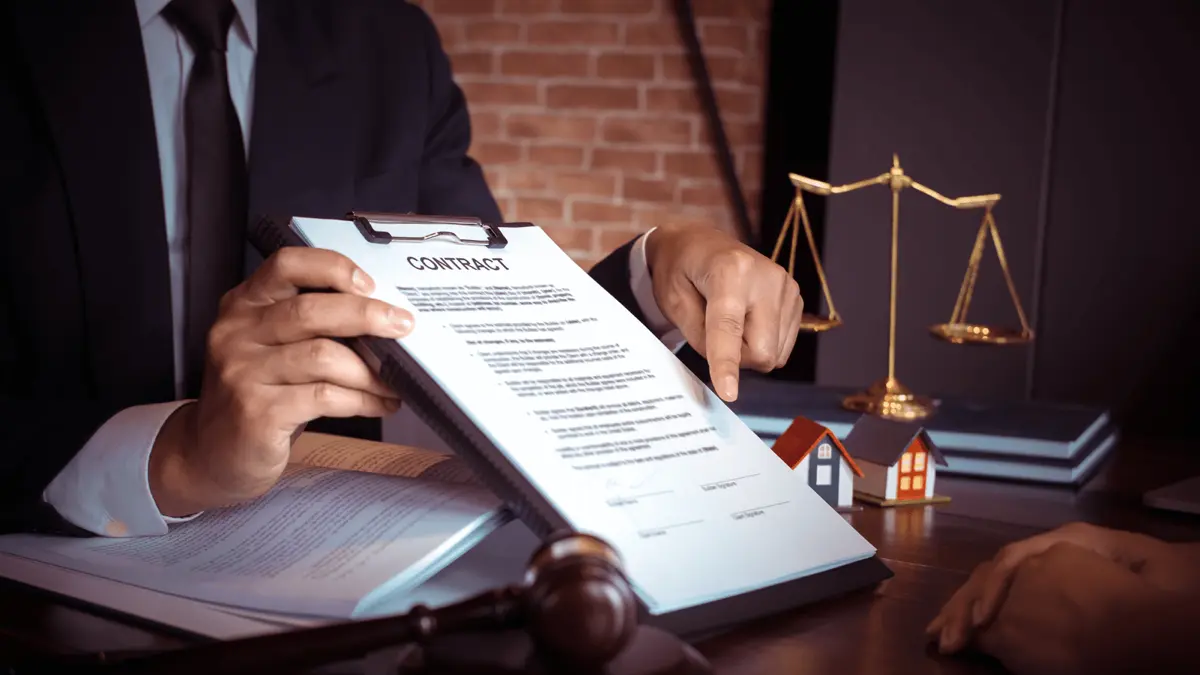
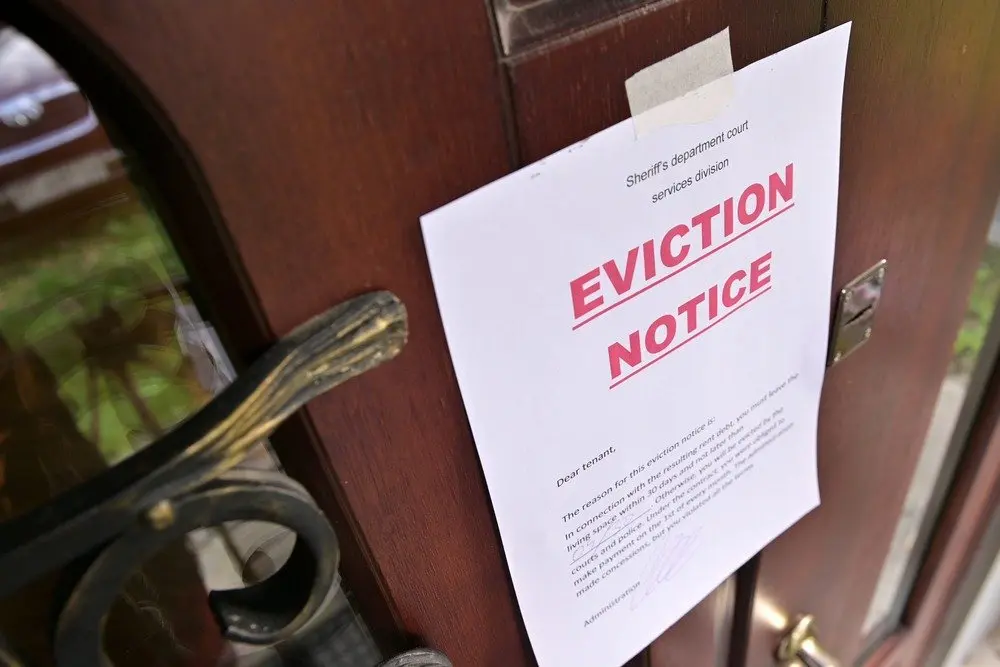
- Tenant rights Washington state are set by the Residential Landlord-Tenant Act (RCW 59.18) and apply to renters in Vancouver, WA and across Clark County.
- Core rights include a habitable home, advance written notice before entry, deposit return within 30 days, and protection from discrimination and retaliation.
- Rights come with duties — paying rent on time, keeping the unit clean, and giving proper notice to move out.
- Most disputes are avoidable with written communication and a clear understanding of who is responsible for what.
If you rent a home in Vancouver, WA, the law gives you real protections — but those protections only help if you know they exist. This guide explains tenant rights Washington state renters can count on, written for the people who actually live in the unit. We cover the rights you hold, the responsibilities that come with them, and the specific notice periods, deposit rules, and retaliation protections that decide most landlord-tenant disputes. Whether you are signing your first lease or untangling a deposit dispute, this is the renter's-eye view of Washington law.
Nearly all of these rights flow from a single statute: the Washington Residential Landlord-Tenant Act, codified at RCW 59.18. It applies to most residential rentals statewide, including Vancouver and the rest of Clark County. Landlords reading this can use it as a compliance checklist; for the landlord-side companion, see our overview of rental laws in Washington State.
Your Core Rights as a Tenant in Washington
Washington renters hold a bundle of rights that a lease cannot legally take away. The most important ones:
- A habitable home. Your landlord must keep the unit fit to live in — working heat, hot and cold water, safe electrical and plumbing, a weatherproof structure, and control of pests at move-in. This is the warranty of habitability, and it cannot be waived in the lease.
- Advance notice before entry. Your landlord can't simply show up. They owe you written notice and may only enter at reasonable times for a legitimate reason.
- Your security deposit back. After you move out, the deposit must be returned, or accounted for in writing, within a fixed window.
- Freedom from discrimination. A landlord cannot refuse to rent to you, or treat you differently, based on a protected class.
- Protection from retaliation. You can ask for repairs or report a code violation without fear of a revenge rent hike or eviction.
- Limits on rent increases. Since 2025, Washington's HB 1217 caps how much most landlords can raise rent in a 12-month period and requires 90 days' written notice.
- Quiet enjoyment. You have the right to peaceful, undisturbed use of your home for the length of the tenancy.
The sections below unpack each of these, with the notice periods and timelines that matter most.
The Right to a Habitable Home
Under RCW 59.18.060, a Washington landlord must keep the rental "fit for human habitation." In practice that means maintaining structural elements, providing adequate heat and a reliable supply of hot and cold water, keeping electrical and plumbing systems in safe working order, controlling pests that were present at move-in, and complying with applicable health and safety codes. You cannot sign these duties away — a lease clause that tries to waive the warranty of habitability is unenforceable.
If conditions slip below that standard, you have remedies, but only if you follow the process: put your request in writing and give the landlord the time the statute allows to fix it. For a deeper look at what "habitable" legally requires in this state, see our guide to habitability laws in Washington.
Washington law sets specific deadlines for landlord repairs once you give proper written notice — generally 24 hours for no heat, hot water, or other conditions that are an imminent hazard, 72 hours for a broken refrigerator, range, or other essential service, and 10 days for most other repairs (RCW 59.18.070). In some situations you may be able to use "repair and deduct," pay to fix the problem yourself, and subtract the cost from rent, but only after following the statutory notice steps. Because those timelines and the question of who actually pays deserve their own walkthrough, we cover them in detail in who pays for repairs: landlord vs. tenant in Washington. Read that before withholding rent or hiring a contractor — doing it out of order can cost you the protection.
The Right to Privacy and Proper Entry Notice
Your home is yours for the term of the lease, and your landlord can't treat it as their own. Under RCW 59.18.150, a landlord must give at least two days' written notice before entering for repairs, maintenance, or inspections, and at least one day's notice to show the unit to a prospective tenant or buyer. Entry has to be at a reasonable time of day and for a legitimate purpose.
The exception is a true emergency — a fire, a flooding pipe, a gas leak — where the landlord may enter without notice to protect the property or people inside. Routine "I was in the neighborhood" visits do not qualify. If a landlord enters repeatedly without notice or uses access to harass you, that can itself be a violation. For both sides of this rule, see our breakdown of when a landlord can legally enter a rental property.
Security Deposit Rights
Few areas cause more friction than the deposit, so know the rules going in. In Washington:
- Any deposit must be held in a trust account, and the lease must name where it is held.
- A landlord can only charge a deposit if there is a written checklist describing the unit's condition at move-in, signed by both parties. Insist on this — it is your evidence later.
- After the tenancy ends, the landlord has 30 days to either return your full deposit or send a written, itemized statement of any deductions, with the balance.
- Deductions are limited to unpaid rent and damage beyond normal wear and tear. Ordinary wear — minor carpet wear, small nail holes, faded paint — is not chargeable.
If the landlord misses the 30-day deadline, they can lose the right to keep any of the deposit, and a tenant who has to sue may recover more. For Clark County specifics and a move-out strategy that protects your money, read our guide to security deposit rules in Vancouver, WA.
Protection from Discrimination
Both federal and Washington law bar housing discrimination. The federal Fair Housing Act protects race, color, national origin, religion, sex, familial status, and disability. The Washington Law Against Discrimination (RCW 49.60) adds protections including marital status, sexual orientation, gender identity, age, honorably discharged veteran or military status, and source of income — meaning a landlord generally cannot reject you simply for using a Section 8 voucher or other lawful income source.
Discrimination can be obvious (a flat refusal) or subtle (different terms, steering, or selective enforcement of rules). If you believe you have been treated unlawfully, you can file with the Washington State Human Rights Commission or HUD. For the full list of protected classes and how the rules play out locally, see fair housing laws in Washington.
Protection from Retaliation
One of the most important rights — and the most overlooked — is protection from landlord retaliation. Under RCW 59.18.240, a landlord may not punish you for exercising your legal rights: requesting repairs, reporting a code violation, contacting a tenants' union, or asserting any right under the Landlord-Tenant Act.
The law presumes retaliation if, within 90 days of a protected action, the landlord raises your rent, cuts services, or tries to evict you. That presumption shifts the burden to the landlord to prove a legitimate, non-retaliatory reason. This protection is exactly why you should make repair requests and complaints in writing and keep copies — the paper trail is what makes the timeline provable.
Rent Increases and the HB 1217 Rent Cap
The biggest recent addition to tenant rights in Washington is the statewide rent cap created by House Bill 1217, signed into law on May 7, 2025. Washington had long barred local rent control; HB 1217 replaces that with an inflation-indexed statewide limit rather than a hard freeze. The key protections for renters:
- Rent increases for most existing tenants are capped at 7% plus inflation (CPI), or 10% total, whichever is lower, in any 12-month period.
- Manufactured and mobile home lot rents are capped at 5% per year.
- No increase is allowed during the first 12 months of a tenancy.
- Landlords must give at least 90 days' written notice of any increase.
- The cap restricts increases during a tenancy only — landlords may still reset rent to market when a unit turns over to a new tenant.
- Exemptions include new construction for its first 12 years, public housing, qualifying subsidized affordable housing, and certain owner-occupied buildings of two to four units.
If you receive a rent increase that exceeds these limits, or arrives with less than 90 days' notice, it may not be enforceable. Read the full breakdown in our guide to Washington House Bill 1217.
Lease Termination and Ending Your Tenancy
How you end a tenancy depends on the lease type. On a month-to-month agreement, a tenant generally must give at least 20 days' written notice before the end of the rental period to move out. A fixed-term lease runs to its end date, and leaving early can leave you responsible for rent until the unit is re-rented, unless an early-termination clause or a protected reason applies. If you are weighing which arrangement to sign, compare them in our guide to a month-to-month lease vs. a fixed-term lease.
Washington law also lets tenants end a lease early without penalty in specific situations, including:
- Active military deployment or a permanent change of station under the federal Servicemembers Civil Relief Act.
- Victims of domestic violence, sexual assault, stalking, or unlawful harassment, with the required documentation (RCW 59.18.575).
- A unit that has become uninhabitable and the landlord fails to repair it after proper notice.
Outside those situations, talk to your landlord early — many will agree to a reasonable buyout or let you find a replacement tenant rather than chase you for months of rent.
Your Responsibilities as a Tenant
Rights run both ways. The same statute that protects you also lists what you owe the landlord. Meeting these obligations is the surest way to protect your deposit and keep your tenancy on solid footing. As a Washington tenant you must:
- Pay rent in full and on time, as the lease specifies.
- Keep the unit clean and sanitary, and dispose of garbage properly.
- Avoid damage beyond normal wear and tear, and not deliberately or negligently destroy property.
- Use plumbing, electrical, and appliances reasonably and for their intended purpose.
- Not disturb your neighbors' peaceful enjoyment of their homes.
- Allow lawful access for repairs and inspections after the landlord gives proper notice.
- Comply with the lease and reasonable, consistently enforced rules.
Falling short on these can give a landlord grounds to terminate the tenancy or pursue an eviction, so when a dispute comes up, address it in writing and keep records. Understanding the most common lease violations helps you steer clear of the issues that escalate fastest.
The strongest position a tenant can hold is a documented one — written requests, dated photos, and signed checklists turn a "he said, she said" dispute into a clear record the law can act on.
Where to Get Help
If a dispute can't be resolved directly, Washington tenants have options. Small Claims Court handles money disputes up to $10,000 without a lawyer — a common venue for deposit cases. Local tenant advocacy and legal-aid organizations can advise on discrimination, illegal entry, retaliation, and improper evictions. The Washington Attorney General's office and the Human Rights Commission also take certain complaints. The key in every case is the same: act in writing, keep your records, and know which deadline applies.
Renting or Managing in Vancouver, WA?
VPMG Property Management runs Vancouver, WA rentals in full compliance with Washington landlord-tenant law — clear leases, proper notices, and prompt repairs. Whether you're a tenant with a question or an owner who wants it done right, reach us at (360) 803-2002 or info@vancouverpmg.com.
If you have questions about your rights or responsibilities as a renter or landlord in Vancouver, WA, contact VPMG Property Management for guidance.
Frequently Asked Questions
What are my basic tenant rights in Washington state?
You have the right to a habitable home with working heat, plumbing, and electrical; advance written notice before your landlord enters (generally two days, one day for showings); deposit return within 30 days with an itemized statement; protection from discrimination; and protection from retaliation for asserting your rights — all under RCW 59.18.
How much notice does a landlord have to give before entering in Washington?
At least two days' written notice for repairs or inspections, and at least one day's notice to show the unit (RCW 59.18.150). The only exception is a genuine emergency, such as a fire or burst pipe, where no advance notice is required.
How long does a landlord have to return my security deposit?
Within 30 days after you move out, the landlord must return the deposit or send a written itemized statement of deductions with the balance. Deductions are limited to unpaid rent and damage beyond normal wear and tear.
Can a landlord retaliate against me for requesting repairs?
No. Under RCW 59.18.240, a rent increase, service cut, or eviction within 90 days of a protected complaint — like a repair request or code report — is presumed retaliatory and gives the tenant a legal claim.
How much can my landlord raise my rent in Washington?
Under HB 1217 (2025), rent increases for most existing tenancies are capped at 7% plus inflation or 10% total, whichever is lower, per 12-month period, with at least 90 days' written notice — and no increase is allowed in the first 12 months of a tenancy. Manufactured home lot rents are capped at 5% per year. New construction is exempt for its first 12 years, and landlords may still set market rent when a new tenant moves in.
What are a tenant's responsibilities in Washington?
Pay rent on time, keep the unit clean and sanitary, dispose of garbage properly, avoid damage beyond normal wear, not disturb neighbors, and allow lawful access after proper notice. On month-to-month tenancies, give at least 20 days' written notice before moving out.

Written by Avenir Gedarevich, Washington State Designated Broker (WA Managing Broker License #24033559) at VPMG Property Management in Vancouver, WA.