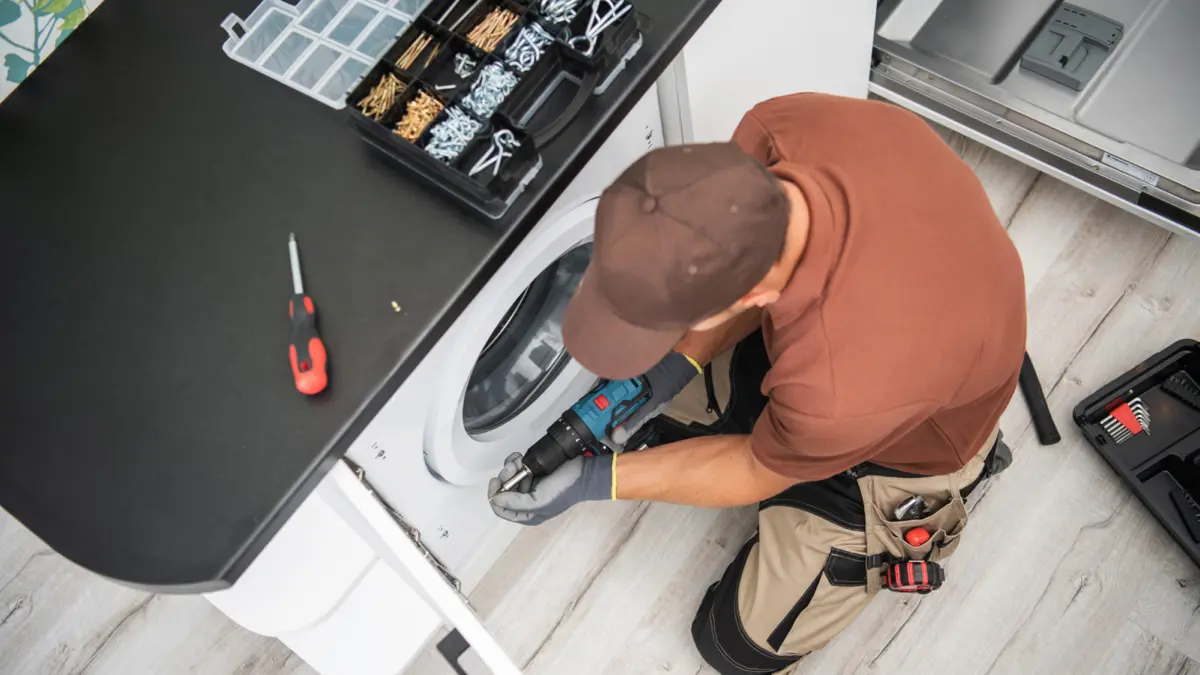
- Use a handyman for small, no-permit upkeep and a licensed contractor for permit, trade, or structural work — the right call protects your budget and your liability.
- Washington has no standalone "handyman license," but anyone doing construction, repair, or improvement work must register as a contractor with L&I and carry a bond and liability insurance.
- Electrical and plumbing work require separate specialty licenses in Washington no matter how small the job.
- Hiring an unregistered worker for permit-required jobs exposes landlords to liability, code, and habitability problems — always verify registration on the L&I site first.
If you own a rental in Vancouver, Washington, repairs are a constant part of protecting your investment — from a leaky faucet to a full roof replacement. The question landlords ask most often is simple but consequential: handyman vs contractor for rental property repairs — which one do you actually need? Choose wrong and you either overpay for a minor fix or, far worse, hire someone who legally can't do the work, leaving you exposed to liability and code violations.
This guide breaks down exactly when to hire a handyman vs contractor, what each can legally do in Washington State, and the contractor-licensing rules — enforced by the Department of Labor & Industries (L&I) — that decide the answer for you. At VPMG Property Management, we make this call on behalf of Vancouver and Clark County landlords every day, so we'll also show how a professional manager removes the guesswork entirely.
What Does a Handyman Do?
A handyman is a generalist who handles small, routine repairs and upkeep — the "jack-of-all-trades" for your rental. Their value is speed and low cost on minor jobs that don't require a permit, an inspection, or a licensed trade.
Common Handyman Jobs
- Fixing leaky faucets and running toilets
- Patching drywall or repainting walls
- Replacing or re-keying door locks and handles
- Installing simple light fixtures, blinds, or shelving
- Basic carpentry, weatherstripping, and minor cosmetic repairs
- Caulking, sealing, and general preventive upkeep
When to Hire a Handyman
- For quick, low-cost fixes between tenancies
- When no permit, inspection, or licensed trade is required
- For routine, preventive maintenance on the items in your seasonal maintenance checklist
Handymen are cost-effective for small jobs, but in Washington their legal scope is narrower than many landlords assume. Once a task crosses into actual construction, repair, or improvement work, the person performing it is supposed to be a registered contractor — a distinction we cover in detail below.
What Does a Contractor Do?
A contractor is a registered, bonded, and insured professional who handles larger projects that require permits, inspections, or specialized trade skills. General contractors often coordinate subcontractors for plumbing, electrical, HVAC, or structural work, and they carry the bond and liability coverage that protects you when a job goes wrong.
Common Contractor Jobs
- Major plumbing or electrical repairs and re-wiring
- Roof replacement, framing, or structural repairs
- Kitchen and bathroom remodels
- Additions, square-footage changes, or major renovations
- HVAC system replacement
- Any work that requires a City of Vancouver or Clark County permit and inspection
When to Hire a Contractor
- For large, complex, or multi-trade projects
- When building codes and permits apply
- When the job carries real liability if performed incorrectly
- For anything involving plumbing, electrical, or structural systems
Contractors cost more than handymen, but on the right jobs that premium buys code compliance, insurance, and a documented chain of accountability — exactly what you want when a repair could affect tenant safety or your property's habitability.
The Washington Difference: L&I Contractor Licensing
Here's the part most "handyman vs contractor" advice skips, and it's the part that actually matters in Vancouver: Washington State does not issue a standalone "handyman license." Instead, state law requires that anyone who advertises, offers, or performs construction, repair, alteration, or improvement work for a property owner be registered as a contractor with the Department of Labor & Industries (L&I).
In practice, that means the line between a "handyman" and a "contractor" in Washington is mostly a legal one, not a job-title one. A truly unregistered handyman is limited to very minor, incidental tasks. As soon as the work becomes construction, repair, or improvement of the property, the person doing it is legally required to be a registered contractor carrying a surety bond and general liability insurance. There is no separate, lesser credential that lets an unregistered person take on bigger jobs.
Electrical and Plumbing Are Always Specialty-Licensed
Two trades sit entirely outside the handyman lane in Washington regardless of how small the job looks. Electrical work requires a state electrical license and, in most cases, a permit and inspection. Plumbing work likewise requires the appropriate plumber certification. Swapping an outlet or re-piping under a sink may seem minor, but having an unlicensed person do it can void coverage, fail inspection, and create a genuine safety hazard for your tenants.
Registration Requirements Got Stricter
Washington tightened its contractor-registration rules in recent years, including higher surety-bond amounts for general and specialty contractors. The takeaway for landlords is simple: a properly registered contractor today carries a larger bond and verified insurance behind their work — which is precisely the protection you're paying for. Don't treat registration as a formality; treat it as the line between recoverable and unrecoverable risk.
Why an Unregistered Worker Is a Landlord Liability
It can be tempting to save money with an unregistered handyman on a borderline job. The hidden cost shows up later:
- No bond or insurance to claim against if the work is faulty or the property is damaged.
- Personal-injury exposure if an uninsured worker is hurt on your rental.
- Failed or missing permits that surface during a sale, refinance, or insurance claim.
- Habitability problems — botched permit-required work can put you on the wrong side of Washington's habitability laws and your repair obligations to tenants.
For repairs that are the tenant's responsibility versus yours, see our breakdown of who pays for repairs — landlord vs. tenant in Washington before you dispatch anyone.
Handyman vs Contractor: How to Decide
When a repair request comes in, run it through these four questions in order. The first "yes" usually tells you whether you need a handyman or a contractor.
- Does it require a permit? If the City of Vancouver or Clark County would require a permit or inspection, hire a registered contractor.
- Does it involve electrical, plumbing, HVAC, or structure? If yes, you need the appropriate licensed contractor or specialty trade — never an unregistered handyman.
- Is it construction, repair, or improvement work? In Washington, that scope legally belongs to a registered contractor, not a handyman.
- Is it a small, cosmetic, no-permit fix? If you've answered "no" to the first three, a qualified handyman is usually the faster, cheaper choice.
Quick Reference: Who Handles What
| Repair | Handyman | Licensed Contractor |
|---|---|---|
| Patch drywall / repaint | Yes | Optional |
| Re-key locks, hang fixtures | Yes | Optional |
| Replace an outlet / wiring | No (licensed electrical) | Yes |
| Re-pipe / water heater | No (licensed plumbing) | Yes |
| Roof / structural repair | No | Yes |
| Remodel / addition (permit) | No | Yes |
One more factor cuts across all of these: urgency. A burst pipe or no-heat call in January isn't a "which is cheaper" decision — it's an emergency. Know in advance which issues demand an immediate licensed response by reviewing what maintenance issues count as emergencies.
How to Verify a Contractor in Washington
Before any permit-required or trade work begins, confirm the contractor is legitimate. It takes two minutes and protects thousands of dollars of exposure:
- Get the registration number and look it up on the Washington L&I "Verify a Contractor" tool.
- Confirm the registration is active and that the surety bond and general liability insurance are in force.
- Require proof of insurance in writing for larger jobs.
- Get the scope and price in writing before work starts, and confirm who pulls the permit.
Vetting vendors this carefully on every repair is one of the quieter ways professional management protects owners — and avoids the hidden rental property costs that come from cheap work redone twice.
How VPMG Property Management Handles Repairs
As a full-service property management company in Vancouver, WA, VPMG removes the handyman-vs-contractor decision from your plate entirely. For every maintenance request, our team:
- Evaluates the repair quickly and determines whether a handyman or a licensed contractor is appropriate
- Dispatches a vetted professional who is properly registered, bonded, and insured for the job
- Verifies contractor registration and insurance with L&I before trade or permit work begins
- Negotiates fair pricing with trusted local vendors and documents the work for owners
- Keeps repairs compliant with Washington State landlord-tenant law and habitability requirements
- Coordinates fast, reliable service that keeps tenants satisfied and turnover low
The result is rental property repairs handled by the right professional, the first time — without you fielding bids, checking licenses, or worrying about liability. To see how this fits into the bigger picture, explore our property maintenance service and our guide to the importance of property maintenance for landlords in Vancouver WA.
In Washington, the handyman-vs-contractor question is really a licensing question. Get it right and a small repair stays small. Get it wrong and an unregistered fix becomes your liability.
Let VPMG Handle Every Repair
Whether it's a simple handyman fix or a full contractor project, VPMG Property Management keeps your Vancouver, WA rental in excellent condition while protecting you from licensing and liability risk. Contact us at (360) 803-2002 or info@vancouverpmg.com for an instant rental analysis.
Frequently Asked Questions
When should I hire a handyman vs a contractor for rental property repairs?
Hire a handyman for small, low-cost upkeep that needs no permit or licensed trade — drywall patches, a running toilet, a light fixture, or re-keying a lock. Hire a licensed contractor whenever the job needs a permit, involves plumbing, electrical, HVAC, or structural work, or carries real liability. In Washington, the practical test is whether the work falls inside the scope a registered contractor is legally required to handle.
Do handymen need a license in Washington State?
Washington does not issue a standalone "handyman license," but anyone who advertises or performs construction, repair, or improvement work must register as a contractor with L&I and carry a bond and liability insurance. An unregistered handyman is limited to very minor tasks; once work becomes construction or improvement, the person legally needs to be a registered contractor. Electrical and plumbing work also require separate specialty licenses regardless of size.
Why does hiring an unregistered handyman put a landlord at risk?
If an unregistered worker is injured on your rental, does faulty work, or damages the property, you may have little recourse — there's no bond or liability insurance to claim against, and improper permit-required work can create code and habitability problems. A contractor registered with Washington L&I means there's a bond, insurance, and an accountable license number behind the work.
How do I verify a contractor is licensed in Washington?
Use the Washington L&I "Verify a Contractor" tool to confirm the contractor is registered, that the registration is active, and that the bond and liability insurance are in force. Always get the registration number, confirm it on the L&I site, and require proof of insurance before any permit-required or trade work begins.
Does VPMG handle repair decisions and licensing for landlords?
Yes. VPMG evaluates each repair request for Vancouver, WA and Clark County rentals, decides whether a handyman or licensed contractor is appropriate, and dispatches a vetted, properly licensed and insured professional. We confirm contractor registration with L&I, keep work compliant with Washington landlord-tenant and habitability law, and document everything for the owner.

Written by Avenir Gedarevich, Washington State Designated Broker (WA Managing Broker License #24033559) at VPMG Property Management in Vancouver, WA.