- A repeatable tenant move-out checklist protects your deposit position, shortens vacancy, and prevents disputes.
- Washington's RCW 59.18.280 gives landlords 30 days to return the deposit with an itemized statement after the tenant moves out.
- Under RCW 59.18.260, you cannot keep any of the deposit unless you provided a signed move-in checklist at the start of the tenancy.
- Overlapping make-ready work with pre-marketing is the biggest lever for cutting vacant days between tenants in Clark County.
A tenant moving out ends one lease, but for a landlord it kicks off one of the busiest and highest-stakes stretches of the whole rental cycle. A smooth tenant move-out process gets the property ready for its next resident, keeps vacancy short, and protects the investment you have spent years building. A messy one leads to deposit disputes, lost rent, and a unit that sits empty longer than it should.
The fix is a clear, repeatable move-out checklist. Below is the step-by-step process we use at VPMG for rentals across Vancouver and Clark County, with the Washington-specific rules that catch do-it-yourself landlords off guard, especially the tight 30-day deposit deadline.
Step 1: Confirm the Move-Out Date in Writing
Everything downstream depends on a firm, documented move-out date. As soon as the tenant gives notice, confirm the details in writing so there is no ambiguity later:
- The official move-out date and the deadline to be fully vacated
- Return of all keys, garage remotes, mailbox keys, and access devices
- Utility transfer or shut-off dates so service does not lapse between tenants
- A forwarding address for the security deposit statement and any refund
That forwarding address matters more than most landlords realize: your 30-day deposit clock still runs even if the tenant never gives you one, so getting it up front protects you. A short written confirmation email prevents the vast majority of end-of-tenancy misunderstandings.
Step 2: Schedule and Document the Move-Out Inspection
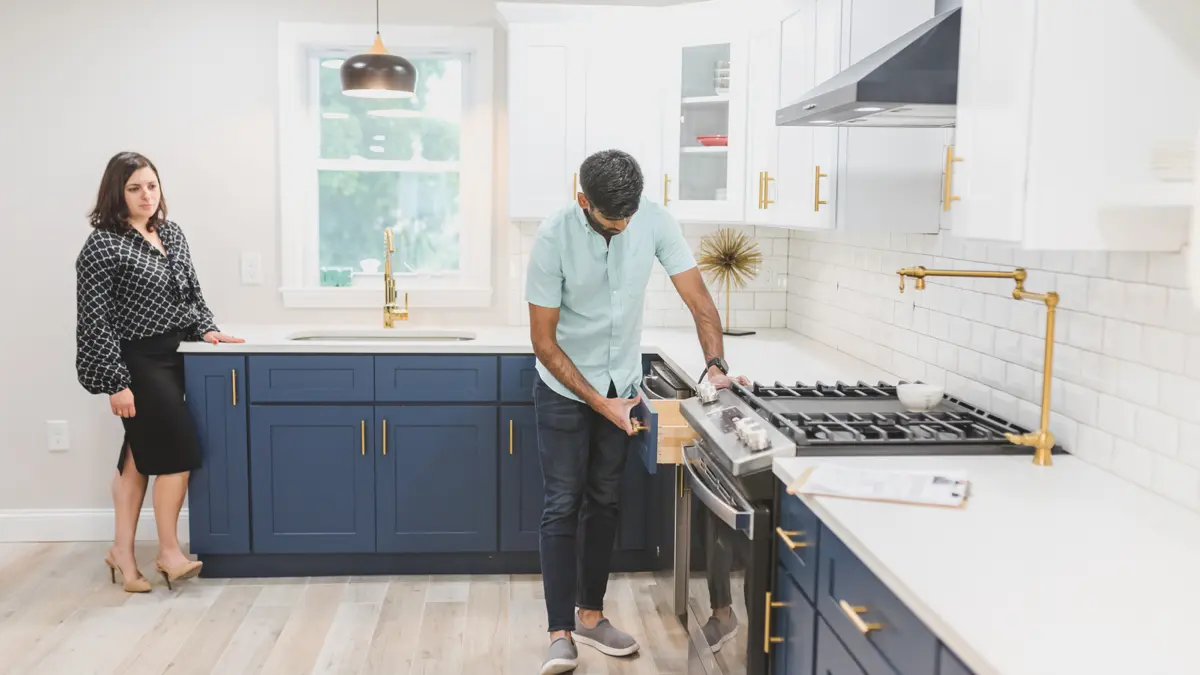
Once the unit is empty, walk it with the same checklist you used at move-in and compare the two, room by room. This side-by-side comparison is what separates chargeable damage from ordinary wear and tear. Look closely at:
- Damage beyond normal wear and tear (holes, broken fixtures, stains, pet damage)
- Missing items, appliance condition, and flooring or wall damage
- Cleanliness and any exterior or yard upkeep the lease required
Photograph and date every issue as you go. Our full tenant walk-through inspection guide covers exactly how to run this inspection and stay compliant with Washington's notice rules. The dated move-out record, paired with your move-in record, is the single strongest piece of evidence if a deposit deduction is ever challenged.
Step 3: Handle the Security Deposit the Washington Way
This is where Washington law is strict and unforgiving of missed deadlines. Under RCW 59.18.280, you have 30 days from the end of the tenancy to give the tenant a full, itemized written statement of any amounts kept and to refund the balance. Miss that window and you can be ordered to return the entire deposit, plus up to two times the deposit if a court finds you kept it intentionally and in bad faith.
A deposit may be applied to allowable costs such as unpaid rent and damage beyond normal wear and tear, but never to ordinary aging like faded paint or lightly worn carpet. Two rules trip up self-managing landlords most often:
- The move-in checklist requirement. Under RCW 59.18.260, if you did not give the tenant a signed, written move-in condition checklist, you are barred from keeping any of the deposit, regardless of the damage.
- The itemized statement. Every deduction must be listed specifically and backed by documentation, not estimated in a lump sum.
For the full rules, see our guide to Washington security deposit laws, and if you manage the tenant relationship directly, the tenant-side view in how to get your security deposit back in Vancouver WA is worth understanding too. VPMG handles this entire process for owners through our move-out and security deposit service.
Step 4: Complete Repairs and Make the Unit Ready
With the inspection documented and the deposit accounting underway, turn to the make-ready work. Completing repairs quickly is what keeps the vacancy short. Common turnover repairs include:
- Interior paint touch-ups or a full repaint, and drywall patching
- Carpet cleaning or replacement, and hard-floor repairs
- Appliance servicing, plumbing fixes, and HVAC maintenance
Bundle these into a single make-ready push rather than handling them one at a time, and prioritize anything that affects safety or would show up in listing photos. Ongoing property maintenance between tenants also keeps turnover costs down over the life of the property.
Step 5: Deep-Clean and Rekey the Property
A professionally cleaned unit sets the tone for every showing that follows. A thorough turnover clean usually covers kitchens, bathrooms, windows, flooring, appliances, cabinets, and baseboards, taking the unit well beyond move-in-ready. This is also the moment to rekey or replace the locks. Rekeying between tenants is a simple, inexpensive security step that guarantees your incoming resident is the only person with access, and it is one of the fastest ways to start a tenancy on the right foot.
Step 6: Re-Market Quickly to Minimize Vacancy
Vacant days are the quiet, recurring cost of turnover, so the goal is to have the unit listed the moment it is show-ready. Strong re-marketing combines fresh, professional listing photos, an updated and accurate description, competitive pricing pulled from current comparable rentals, and wide online syndication. The best turnover timelines come from overlapping this work with the make-ready: line up photography and pricing while cleaning and repairs finish, not after. Our guides on reducing rental vacancy rates in Clark County and our property marketing and rental property preparation services go deeper on shortening this window.
Step 7: Screen the Next Tenant Carefully
Placing the right resident is the most important decision in the entire turnover, and the one most worth slowing down for. Thorough screening should include income verification, a full credit review, a nationwide background check, and direct rental-history verification with prior landlords, all applied consistently to every applicant to stay compliant with fair housing rules. A well-qualified tenant who pays on time and cares for the home protects your investment far more than a fast placement ever will. Our tenant screening and leasing process handles this end to end.
Step 8: Prepare for the Next Move-In
Before the new resident arrives, close the loop so their tenancy starts cleanly:
- Complete a final walk-through and confirm every repair is done
- Test smoke and carbon monoxide detectors and confirm appliances work
- Prepare the lease, move-in documentation, and a new signed move-in checklist
That new move-in checklist is not just good practice, it is what protects your deposit position for the next tenancy under RCW 59.18.260. Handing it off well sets expectations from day one, and our tenant move-in checklist shows the resident's side of a smooth handover.
Turnover rarely goes wrong because of one big mistake. It goes wrong because small steps get skipped, and the 30-day deposit clock does not wait for anyone.
Why the Move-Out Process Is Easier With a Property Manager
Handling a move-out well means juggling documentation, deadlines, contractors, cleaning, marketing, and Washington's landlord-tenant rules all at once, usually while the vacancy is costing you rent. That is exactly the coordination a professional property management company takes off your plate. VPMG manages every step of turnover for owners across Vancouver and Clark County, from move-out inspections and deposit accounting to make-ready, marketing, and placing the next qualified tenant, so your unit is protected and re-rented as fast as the market allows.
Need Help Managing Tenant Turnover?
VPMG Property Management handles the full tenant move-out process for Vancouver, WA rentals, from inspections and deposit statements to make-ready and re-leasing, so you minimize vacancy and stay compliant. Call (360) 803-2002, email info@vancouverpmg.com, or get in touch here.
Frequently Asked Questions
How long does a landlord have to return a security deposit in Washington?
Under RCW 59.18.280, you must give the tenant a full, itemized written statement of any amounts kept, along with any refund due, within 30 days after the tenancy ends and the tenant vacates. The deadline was 21 days until HB 1074 extended it, effective July 23, 2023. Missing the 30-day deadline can make you liable for the full deposit, and up to two times the deposit if a court finds the retention was intentional and in bad faith. Mail it to the tenant's forwarding address and keep proof of mailing.
What can a landlord deduct from a security deposit in Washington?
You may deduct for unpaid rent, unpaid utilities or fees owed under the lease, and repairing damage beyond normal wear and tear. You cannot charge for ordinary aging such as faded paint, lightly worn carpet, or minor nail holes. Every deduction must appear on the itemized statement and be supported by your move-in checklist, move-out inspection, and dated photos.
Do I need a move-in checklist to keep any of the deposit in Washington?
Yes. RCW 59.18.260 requires a written checklist describing the condition of the unit at move-in, signed by both landlord and tenant, before any deposit is collected. Without a signed move-in checklist, Washington law bars you from keeping any part of the deposit, no matter how much damage occurred.
How can landlords reduce vacancy during tenant turnover?
Start early: confirm the move-out date in writing, line up cleaners and contractors before the tenant leaves, and begin marketing the moment the unit is show-ready with fresh photos and competitive pricing. Overlapping make-ready work with pre-marketing is the single biggest lever for cutting the vacant days between tenants.

Written by Avenir Gedarevich, Washington State Designated Broker (WA Managing Broker License #24033559) at VPMG Property Management in Vancouver, WA.