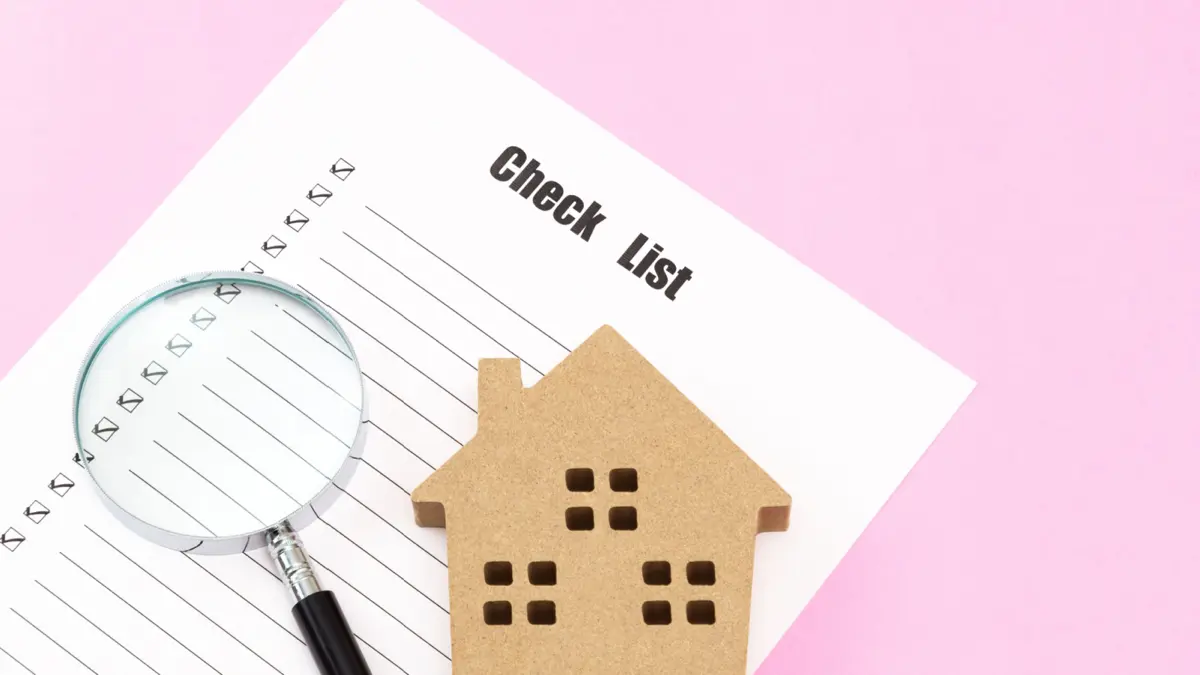
- A tenant walk-through inspection is a documented, room-by-room record of a rental's condition, backed by dated photos.
- Washington's RCW 59.18.150 requires at least two days' written notice before a landlord enters to inspect an occupied unit.
- Run the same checklist at move-in, mid-tenancy, and move-out so you can compare conditions and support any deposit deductions.
- In Vancouver, WA, pay extra attention to moisture, moss, and mold, since the wet Pacific Northwest climate drives most condition issues here.
A tenant walk-through inspection is one of the most valuable habits a Vancouver, WA landlord can build. Done well, it gives you a dated, photo-backed record of your property's condition, surfaces small maintenance issues before they become expensive repairs, and gives both you and your tenant a fair, shared reference point if a deposit dispute ever comes up. Done poorly, or skipped entirely, it leaves you arguing from memory when money is on the line.
This guide walks through exactly how to inspect a rental property from start to finish: how to prepare, what notice Washington law requires, a complete rental property inspection checklist covering the exterior, interior, systems, and safety devices, and how to discuss your findings with the tenant without damaging the relationship. Whether you are running your first move-in inspection checklist or a routine mid-lease review, the same disciplined process applies.
What a Tenant Walk-Through Inspection Is (and When to Do One)
A walk-through inspection is simply a structured, documented review of the property's condition that you carry out with the tenant, or on their behalf, using a written checklist and dated photos. The point is not to police the tenant; it is to create an objective record that protects everyone. There are three moments in a tenancy when a walk-through matters most:
- Move-in inspection: Completed before or at the start of a tenancy, the move-in inspection checklist establishes the baseline condition of the unit. This is the document every later inspection is compared against, so it has to be thorough. Pair it with our tenant move-in guide so the handover is smooth on both sides.
- Periodic (mid-tenancy) inspection: A routine check, often annual, that catches maintenance problems early and confirms the property is being cared for. Many landlords fold this into a broader property maintenance checklist for the year.
- Move-out inspection: Performed when the tenant leaves, this is compared directly against the move-in record to separate normal wear and tear from chargeable damage.
The discipline is the same every time: same checklist, same rooms, same camera, consistent documentation. That consistency is what makes your records hold up.
How Often Should You Inspect a Rental in Washington?
Washington sets no fixed inspection schedule, so frequency comes down to your lease and sound management practice. A sensible baseline for most Vancouver rentals looks like this:
- A move-in inspection at the start of every tenancy to set the baseline condition.
- One or two routine inspections a year to catch maintenance early and confirm the home is being cared for.
- A move-out inspection at the end of the tenancy, compared directly against the move-in record.
Between those, some landlords add periodic drive-by inspections, a quick look at just the exterior from the street. A drive-by can surface landscaping neglect, exterior or roof damage, parking or occupancy red flags, and general curb-appeal issues without ever entering the unit, so no advance notice is required. Whatever cadence you choose, every interior inspection during a tenancy still needs the two days' written notice required by RCW 59.18.150. If you would rather not track any of this yourself, VPMG performs documented 6–9 month rental inspections on every property we manage. One more reason to build the habit now: the City of Vancouver begins mandatory rental health and safety inspections in mid-2027, and owners who already inspect and document regularly will pass without drama.
Step 1: Prepare Your Rental Property Inspection Checklist
Before you set foot in the unit, build a complete checklist so nothing gets missed. A strong rental property inspection checklist should walk through the property in a logical order and cover every major category:
- Exterior: roof, gutters and downspouts, siding, trim, foundation, driveway, walkways, fences, and landscaping
- Interior spaces: walls, ceilings, paint, flooring and carpet, doors, windows, blinds, and locks in each room
- Appliances: refrigerator, oven and range, dishwasher, microwave, and washer/dryer if provided
- Systems: HVAC (furnace, heat pump, AC), water heater, plumbing, and electrical panel
- Safety items: smoke detectors, carbon monoxide detectors, and that exits and locks function
Keep a column for condition (good / fair / needs attention) and a space for notes next to every line. Bring a phone or camera, a flashlight, and an outlet tester. The Pacific Northwest is damp, so weather-driven wear is a bigger deal in Vancouver than in drier climates, so build moisture, moss, and mold checks into your list from the start. If you would rather not assemble your own form, a professional property management company will supply a standardized one.
Step 2: Give Proper Notice and Set Expectations
For any occupied unit, Washington's Residential Landlord-Tenant Act sets the rules. Under RCW 59.18.150, a landlord must give the tenant at least two days' written notice before entering to inspect, and entry must happen at reasonable times. The notice should state the purpose of the visit and the date, and you should invite the tenant to be present if they wish. Respecting these Washington tenant rights is not just legally required; it sets a cooperative tone that makes the whole inspection go more smoothly.
For move-in and move-out inspections that bracket the tenancy itself, coordinate timing directly with the tenant around the lease start and end dates. In every case, put the notice in writing and keep a copy; that small habit prevents most "you never told me" disputes.
Step 3: Document Everything With Dated Photos
Documentation is what turns a walk-through from a casual glance into a defensible record. As you move through the property, photograph or video each room and every noted issue, and make sure the images carry a visible or metadata date stamp. Write your notes the same day while the details are fresh.
The reason this matters becomes obvious at move-out: a clear move-in record compared against a clear move-out record is the cleanest possible basis for any deposit deduction. Washington law requires landlords to provide an itemized statement for deductions, and well-organized, dated photos are exactly the kind of proof that supports that statement. For the deposit rules themselves, see our guide to Washington security deposit laws.
Step 4: Inspect the Exterior
Start outside and work your way in. Check the roof and gutters for debris, sagging, or moss buildup, and look at the siding and trim for rot, peeling paint, or soft spots. Walk the foundation, driveway, walkways, and fences for cracks or movement, and assess the landscaping and drainage. Vancouver's frequent rain accelerates moss growth and water intrusion on exterior surfaces, so these areas deserve extra attention. Catching a clogged gutter or failing downspout now can prevent serious water damage later. If you are inspecting heading into fall, our guide on how to prepare your rental for the rainy season pairs naturally with the exterior walk.
Step 5: Inspect Interior Spaces Room by Room
Move through the interior in a consistent order so you never skip a space. In each room, check the floors and carpet, walls and ceilings, paint, doors, windows, blinds, and locks. Test light switches, outlets, and fixtures. Run each provided appliance briefly to confirm it works and note its cleanliness. Open cabinets and closets, and look in corners and along baseboards for any sign of moisture or mildew.
As you go, distinguish carefully between normal wear and tear, such as faded paint, lightly worn carpet, and minor scuffs, and actual damage such as holes, broken fixtures, stains, or pet damage. Only the latter is chargeable to a tenant. If you are unsure where that line sits, our breakdown of what counts as tenant damage versus wear and tear is a useful reference, and our tips to prevent tenant damage can help you avoid issues before they start.
Step 6: Check Plumbing, Electrical, and HVAC Systems
Systems are where small problems hide. Look under every sink and behind appliances for leaks, water stains, or warping. Test water pressure and hot-water temperature, watch for dripping faucets or running toilets, and listen for unusual pipe noise. On the electrical side, test outlets and confirm GFCI protection works in kitchens, bathrooms, and exterior locations, and check that the panel and breakers are accessible and labeled. Finally, inspect the HVAC system: change or note the furnace filter, confirm heating and cooling both run, and check the water heater for age, leaks, or corrosion. Catching a slow leak or a failing water heater during an inspection is far cheaper than handling it as one of the after-hours maintenance emergencies that drive up costs.
Step 7: Review Safety Devices and Compliance
Safety items are non-negotiable. Confirm that every smoke detector and carbon monoxide detector is present and functioning, and that exits are clear and exterior locks are secure. Washington law requires working smoke and carbon monoxide alarms in rental units, and tenants are prohibited from disabling them. Note any missing or dead detectors as items to remedy immediately, since these are both a legal and a life-safety obligation, not an optional line on the checklist.
Step 8: Discuss Findings and Set Next Steps
How you close the inspection shapes the tenant relationship. Review your findings with the tenant in a calm, fair, collaborative tone. Acknowledge the areas they have kept up well, then walk through any items that need repair and agree on timelines and who is responsible for each. If you do identify chargeable damage during a move-out walk-through, explain any security deposit deductions clearly and back them with your dated photos and itemized statement. When a repair is a gray area, knowing who pays for repairs, landlord versus tenant in Washington keeps the conversation grounded in the rules rather than opinion. A professional, respectful close-out is what keeps good tenants renewing.
The landlord who can produce a dated, room-by-room record almost never loses a deposit dispute. The one relying on memory almost always does.
Why Disciplined Inspections Pay Off in Vancouver, WA
Careful, well-documented walk-through inspections protect the value of your rental, catch maintenance issues while they are still cheap to fix, and keep tenant relationships strong in Vancouver's competitive rental market. They also keep you compliant with Washington's notice and safety rules, which lowers your legal risk. The trade-off is time and consistency: running the same thorough process at every move-in, mid-lease check, and move-out, then organizing the records so they are usable a year later.
That is exactly the kind of routine a professional property management company takes off your plate. VPMG handles scheduling, legal notice, standardized checklists, photo documentation, and the follow-up repairs for every property we manage in Vancouver and across Clark County.
Let VPMG Handle Your Inspections
VPMG Property Management runs professional, fully documented move-in, periodic, and move-out inspections for Vancouver, WA rentals, so your records hold up and your deposits are protected. Contact us at (360) 803-2002 or info@vancouverpmg.com, or get in touch here.
Frequently Asked Questions
What is a tenant walk-through inspection?
It is a documented, room-by-room review of a rental's condition that a landlord or property manager performs using a written checklist and dated photos. Walk-throughs are typically done at move-in, periodically during the tenancy, and at move-out so both sides have an agreed record of condition and any damage beyond normal wear and tear.
How much notice must a landlord give before inspecting a rental in Washington?
Under RCW 59.18.150, a landlord must give the tenant at least two days' written notice before entering to inspect an occupied unit, and entry must be at reasonable times. For move-in and move-out inspections, coordinate timing with the tenant directly, and always keep a copy of the written notice.
What should be on a rental property inspection checklist?
A complete checklist covers the exterior (roof, gutters, siding, lawn, driveway, fences), interior rooms (walls, paint, flooring, doors, windows, locks), appliances, plumbing and electrical systems, HVAC, and safety items such as smoke and carbon monoxide detectors. In Vancouver, WA, add extra checks for moisture, moss, and mold given the wet climate.
Can a tenant be charged for damage found during a walk-through inspection?
A tenant can be charged for damage beyond normal wear and tear, but not for ordinary aging like faded paint or worn carpet. The cleanest support for a deduction is comparing the move-in report against the move-out report, both backed by dated photos. Washington law requires an itemized statement for any deposit deductions.
How often should a rental property be inspected?
A common schedule is a move-in inspection, one or two routine inspections per year, and a move-out inspection, plus optional exterior drive-by checks in between. Washington sets no fixed inspection frequency, but any interior inspection during a tenancy requires at least two days' written notice under RCW 59.18.150.

Written by Avenir Gedarevich, Washington State Designated Broker (WA Managing Broker License #24033559) at VPMG Property Management in Vancouver, WA.