- Rent control in Washington State arrived May 7, 2025 with House Bill 1217 — statewide rent stabilization, not the old city-by-city model.
- The HB 1217 rent cap limits annual increases for existing tenants to 7% plus CPI, or 10% total — whichever is lower.
- Landlords must give at least 90 days' written notice before any rent increase, and cannot raise rent at all in the first 12 months of a tenancy.
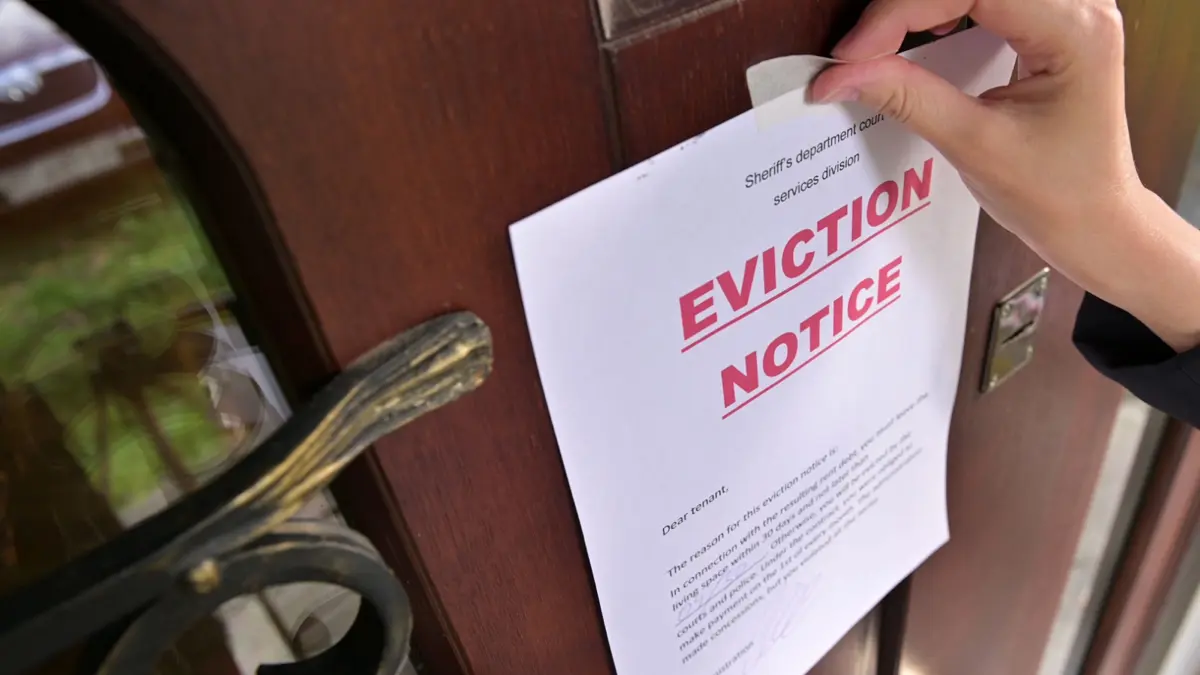
- Separately, just cause eviction rules mean most tenancies can only be ended for a legally defined reason.
- New construction (first 12 years), public housing, and certain owner-occupied small buildings are exempt from the cap — but the notice rules still apply.
For years the answer to "is there rent control in Washington State?" was simply no — there was no statewide limit on how much a landlord could raise the rent. That changed on May 7, 2025, when Governor Bob Ferguson signed House Bill 1217 into law and Washington joined a small group of states with statewide rent stabilization. If you own or are thinking about buying a rental in Vancouver, WA or anywhere in Clark County, this is the single most important landlord-tenant change in a generation, and it directly governs how and when you can adjust rent.
This guide explains exactly what the law does, how the HB 1217 rent cap is calculated, the new 90 day rent increase notice requirement, what is exempt, and how it connects to Washington's separate just cause eviction rules. At VPMG Property Management, we keep Vancouver WA landlords compliant with these Washington property management laws every day, so the goal here is a clear, accurate, plain-English explainer you can act on.
Is It "Rent Control" or "Rent Stabilization"?
The terms get used interchangeably, but the distinction matters. Rent control traditionally means a local ordinance that caps rent on specific units, often freezing or tightly limiting increases. Rent stabilization allows rents to rise each year but within a defined ceiling. What Washington adopted in 2025 is statewide rent stabilization, not classic rent control.
In fact, Washington still bars individual cities — including Vancouver — from passing their own local rent control ordinances under RCW 35.21.830. So you will not see a separate "Vancouver rent control" law; the rules come entirely from the state. People searching for "rent control Washington state" are almost always looking for HB 1217, which is what this guide covers.
Washington Now Has a Statewide Rent Cap (HB 1217)
House Bill 1217 — formally an act relating to protecting residential tenants — took effect immediately upon signing on May 7, 2025. It applies to most residential rentals across the state, including single-family homes, condos, and apartments in Vancouver and the rest of Clark County. Here are the core Washington rent increase laws now in force:
- Annual rent cap: Increases for existing tenants are limited to 7% plus the rate of inflation (CPI), or 10% total — whichever is lower — in any 12-month period.
- 90 days' written notice: Landlords must provide at least 90 days' written notice before any rent increase takes effect, up from the prior 60-day rule.
- First-year freeze: Rent cannot be increased at all during the first 12 months of a tenancy.
- Manufactured / mobile home lots: Lot rents for manufactured and mobile home communities are capped at 5% per year, a stricter limit than the general cap.
- Lease parity: Month-to-month rent cannot exceed the rent for a comparable fixed-term lease on the same unit by more than a limited margin.
- Exemptions: Newer buildings (within 12 years of their certificate of occupancy) and certain other categories are exempt from the cap — though the 90-day notice still applies.
Increases above the cap are unenforceable, and tenants have remedies if an unlawful increase is imposed. These rules directly shape how landlords in Vancouver and across Washington manage rent on their lease renewals — meaning every rent adjustment now needs to be planned around the cap and the notice window.
How the HB 1217 Rent Cap Is Calculated
The formula trips up a lot of owners, so let's walk through it. The cap is the lower of two numbers:
- 7% plus CPI — seven percentage points added to the most recent annual Consumer Price Index figure used under the law, or
- 10% total — a hard ceiling regardless of how high inflation runs.
Because 10% is a hard ceiling, the practical maximum any landlord can ever charge an existing tenant in a 12-month period is 10%. In a low-inflation year, the "7% plus CPI" figure may come in below 10%, and that lower number becomes your cap. The Washington Department of Commerce publishes the applicable maximum each year, so always confirm the current figure before issuing a notice rather than assuming a flat 10%.
A quick example: on a Vancouver WA home renting at $2,000/month, a 10% increase is the most you could raise it — to $2,200 — and only if the 7%-plus-CPI calculation also allows it. If CPI that year put the formula at, say, 9%, your ceiling drops to $2,180. Knowing your unit's true market position matters here; pressure-test any planned increase against a current rental valuation so you are not leaving money on the table or overshooting the cap.
The 90-Day Rent Increase Notice Requirement
The 90 day rent increase notice WA rule is one of the most consequential — and most commonly violated — parts of the new law. Before HB 1217, landlords generally owed 60 days' notice for a rent increase. Now the minimum is 90 days, and the notice must be delivered in writing and served according to Washington's standard service-of-notice rules.
Practically, that means you have to plan increases a full quarter ahead. If a tenant's anniversary date is approaching and you want a new rate to start then, the clock to deliver a valid notice has likely already started. A defective or short notice does not just delay the increase — it can invalidate it entirely, forcing you to restart the 90-day window. For the broader set of timing rules that govern terminations, entry, and other notices, see our guide to Washington State notice requirements.
Just Cause Eviction in Washington
Rent caps work hand in hand with Washington's just cause eviction framework, because a cap on increases means little if a landlord could simply terminate a tenant who would not "voluntarily" pay an over-cap rent. Under RCW 59.18.650, a landlord must have one of the legally defined just causes to end most tenancies or decline to renew a lease.
Recognized just causes include nonpayment of rent, a material lease violation, repeated late payments, the owner or a family member moving in, a substantial renovation, or the owner selling the property, among others. Each cause carries its own notice period and documentation requirements. A landlord cannot end a qualifying tenancy without a statutory just cause and proper written notice — and getting this wrong is one of the fastest ways to lose an eviction case. For the full process in our area, see evictions in Clark County and our step-by-step look at how to evict a tenant in Washington.
What the Caps Mean for Landlords and Investors
The new rent control landscape in Washington State reshapes how owners should think about their rentals. The biggest practical effects:
- Reduced pricing flexibility: You can no longer "catch up" an under-market unit in a single jump. If rent has lagged the market for years, the cap forces you to close the gap gradually — which makes setting the right starting rent for a new tenancy more important than ever, since the first 12 months are frozen.
- Notice discipline becomes critical: The 90-day window means rent strategy has to be calendared quarters in advance, not decided month to month.
- Retention is now a financial strategy: Because you can reset rent to market only when leasing to a brand-new tenant, but also bear vacancy and turnover costs, the math around tenant retention shifts. Keeping a good tenant near market rate often beats chasing a higher rate through turnover.
- Administrative burden rises: Compliant notices, CPI tracking, just cause documentation, and exemption analysis all add to the management workload.
- Penalties are real: Charging over the cap can expose a landlord to damages and civil penalties, and tenants may gain reduced-notice termination rights when an unlawful increase is imposed.
Which Properties Are Exempt From the Cap?
Not every rental is covered by the HB 1217 rent cap. The main exemptions are:
- New construction — units within the first 12 years after their certificate of occupancy.
- Public housing authority units and qualifying subsidized affordable housing.
- Certain owner-occupied buildings of two to four units where the owner lives on site.
Two cautions. First, exempt does not mean unregulated: the 90-day written notice requirement still applies even to exempt properties. Second, most single-family rentals in Vancouver, WA are not exempt and are squarely covered by the cap. If you are unsure whether your specific property qualifies, confirm before relying on an exemption — guessing wrong on an increase is an expensive mistake.
How VPMG Property Management Keeps You Compliant
Navigating the evolving rental regulations in Vancouver, Washington is exactly what we do. At VPMG Property Management, we track the annual CPI cap figure, calendar every rent increase against the 90-day window, draft compliant notices, document just cause when a tenancy must end, and structure starting rents so the first-year freeze does not leave you under market. From compliant lease agreements to managing tenant relationships, we take the legal risk and the paperwork off your plate.
Worried Your Rent Increases Are Compliant?
VPMG handles HB 1217 caps, 90-day notices, and just cause documentation for Vancouver WA landlords so you never issue an invalid increase. Contact us at (360) 803-2002 or info@vancouverpmg.com for an instant rental analysis.
While these laws aim to protect tenants, they also create real compliance challenges for property owners. By partnering with a trusted property management company like VPMG, landlords can navigate rent control in Washington State with confidence and focus on growing their investments rather than decoding statutes.
Frequently Asked Questions
Does Washington State have rent control?
Washington does not have traditional city-by-city rent control, but as of May 7, 2025 it has statewide rent stabilization under House Bill 1217. The law caps annual rent increases for existing tenants at 7% plus CPI, or 10% total, whichever is lower, in any 12-month period. State law still prohibits individual cities like Vancouver from enacting their own local rent control ordinances.
How much can a landlord raise rent in Washington State?
Under the HB 1217 rent cap, a landlord may raise rent for an existing tenant by no more than 7% plus the rate of inflation (CPI), or 10% total, whichever is lower, in any 12-month period. Manufactured and mobile home lot rents are capped at 5% per year. Rent cannot be raised at all during the first 12 months of a tenancy, and increases above the cap are unenforceable.
How much notice is required for a rent increase in Washington?
Washington landlords must give tenants at least 90 days' written notice before any rent increase takes effect, up from the previous 60-day requirement. The notice must follow Washington's standard service-of-notice rules to be valid, and a defective notice can delay the increase.
What is just cause eviction in Washington State?
Under Washington's just cause law (RCW 59.18.650), a landlord must have a legally defined reason — such as nonpayment of rent, a lease violation, or the owner moving in — to terminate most tenancies or decline to renew a lease. A landlord cannot end a qualifying tenancy without one of the statutory just causes and proper written notice.
What properties are exempt from Washington's rent cap?
HB 1217 exempts new construction for the first 12 years after the certificate of occupancy, public housing authority units, qualifying subsidized affordable housing, and certain owner-occupied buildings of two to four units where the owner lives on site. The 90-day notice requirement still applies even to exempt properties, and most single-family rentals in Vancouver WA are covered by the cap.

Written by Avenir Gedarevich, Washington State Designated Broker (WA Managing Broker License #24033559) at VPMG Property Management in Vancouver, WA. This article is general information, not legal advice — consult an attorney for your specific situation.