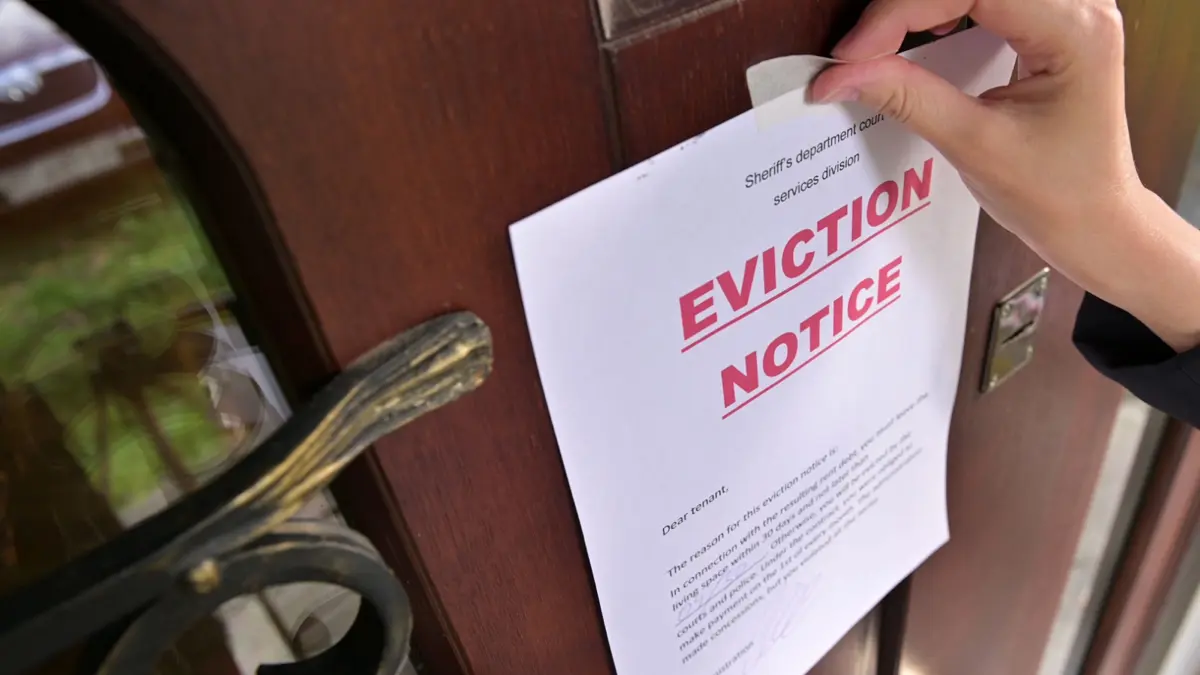
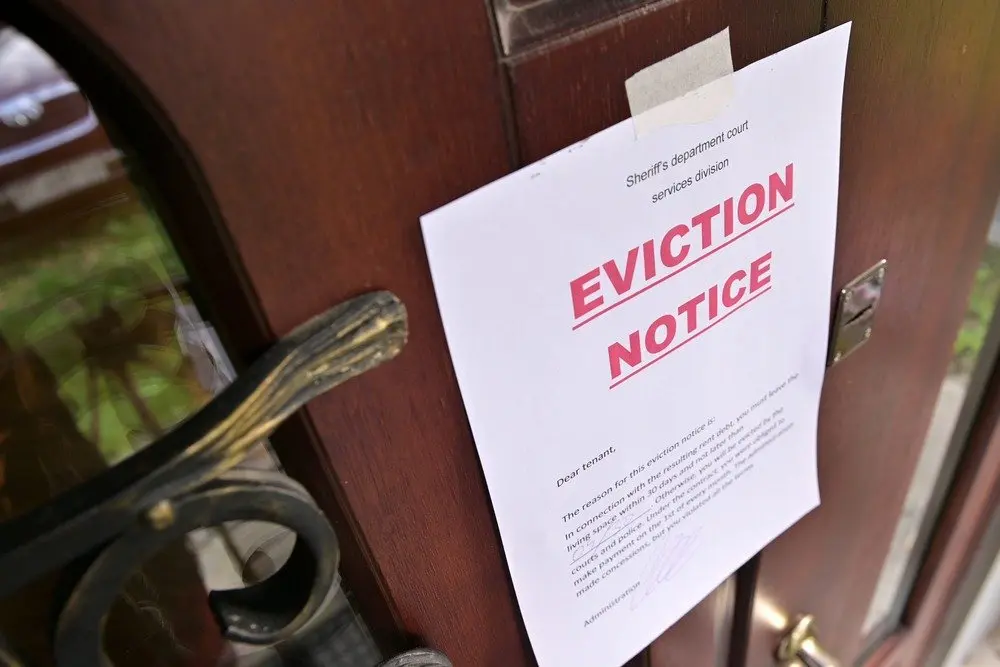
- In Washington you cannot immediately discard a tenant's belongings after eviction — RCW 59.18.312 requires storage, written notice, and a waiting period first.
- You must give at least 45 days to claim property the tenant reasonably believes is worth $50 or more, and at least 7 days for items below that value.
- As of June 11, 2026, HB 2664 lets you send the required notice by first-class mail instead of certified mail.
- You can charge reasonable storage and moving costs and, after the period ends, sell unclaimed property and apply proceeds to what the tenant owes.
- Documentation — photos, the notice, and mailing proof — is your best defense against a wrongful-disposal claim.
One of the most overlooked parts of the eviction process is figuring out what to do with tenant belongings after eviction in Washington. Once the Clark County sheriff executes the lockout and the tenant is removed, many Vancouver, WA landlords find themselves staring at a unit full of furniture, clothing, and personal items with no clear idea of what they are legally allowed to do. The instinct is to haul it all to the dump and re-rent the unit — but doing that without following the state's abandoned tenant property law in Washington can expose you to real liability, even after a perfectly lawful eviction.
This guide walks through the exact process Washington's landlord-tenant law requires: assessing the property, storing it, notifying the former tenant, waiting out the claim period, and disposing of whatever goes unclaimed. The controlling statute is RCW 59.18.312, part of the Residential Landlord-Tenant Act, and getting each step right is what separates a clean turnover from a small-claims headache.
You Cannot Simply Throw the Property Away
The single most important rule: a former tenant's abandoned belongings are still their personal property until the legal process is complete. Whether the eviction stemmed from non-payment of rent, lease violations, property damage, or a documented voluntary move-out, the obligation is the same — you must store the property, notify the tenant, and wait. Skipping those steps and discarding everything is the most common way landlords turn a won eviction into a counterclaim for the value of the destroyed goods.
This is the back half of the eviction itself. If you have not yet reached the lockout stage, our overview of evictions in Clark County and the step-by-step eviction process in Washington covers everything leading up to this point.
Step 1: Conduct an Initial Assessment and Document Everything
Before you touch anything, do a careful walkthrough and photograph or video the entire unit. Distinguish between two categories:
- Obvious garbage — empty food containers, spoiled food, broken items with no value, and trash — which can generally be discarded.
- Personal property of value — furniture, clothing, electronics, tools, documents, and vehicles — which must go through the full storage and notice process.
Be conservative when you sort. If there is any reasonable doubt about whether something has value, treat it as personal property. Time-stamped photos taken before anything is moved are your single best protection if the former tenant later claims you threw out valuables without notice. Keep this documentation with your eviction file alongside the records you built during the move-out and damage assessment.
Step 2: Washington's Abandoned Property Rules (RCW 59.18.312)
Washington's eviction property disposal rules live in RCW 59.18.312. The statute sets different waiting periods based on what the tenant could reasonably believe the property is worth:
- Property the tenant reasonably believes has a value of $50 or more must be stored, and the tenant must be given a written notice and at least 45 days to claim it.
- Property the tenant reasonably believes is worth less than $50 must be stored and held for at least 7 days after the notice before it can be disposed of.
- The tenant is responsible for the reasonable costs of storage and moving, which keeps them accountable and helps offset your expense.
- Special rules apply to certain property — vehicles in particular may involve additional titling and lien steps — so handle anything with a title separately and cautiously.
Note the threshold here is a $50 valuation tier under the statute, not a flat "anything over $500" rule. When in doubt about a specific item, the safer course is to apply the longer 45-day window.
Step 3: Send the Required Written Notice
Storing the property is not enough on its own — you must also notify the former tenant in writing. The notice should clearly state:
- A description of the property being stored
- The location where the items are being held
- A clear deadline by which the items must be claimed (the 45-day or 7-day window)
- Any storage and moving costs the tenant must pay to retrieve their belongings
- Contact information for scheduling retrieval
Send the notice to the tenant's last known address. Historically Washington required certified mail, but as of June 11, 2026, HB 2664 allows landlords to use first-class mail for this notice instead — a meaningful simplification. Whichever method you use, keep a dated copy of the notice and proof of mailing in your records. Serving a complete, accurate notice is what starts the legal clock running.
Document Everything
Throughout this entire process, photograph items before they are moved, keep receipts for storage and moving costs, and retain copies of every written notice plus proof of mailing. Thorough documentation is your strongest defense against any future claim by the former tenant.
Step 4: Store the Belongings Properly
Depending on your timeline and the volume of property, storage can happen one of two ways:
- On-site: Leaving the items in the rental unit, which works only if the unit will sit vacant through the waiting period — every day it does is lost rent.
- Off-site: Moving the property to a storage facility, which frees the unit to be re-rented but adds cost and requires careful chain-of-custody records.
You must store the property in a reasonably safe place and take reasonable care of it during the holding period. If you move items off-site, log what was taken, when, by whom, and where it was placed. The faster you can responsibly clear and turn the unit, the sooner you stop bleeding vacancy — but never let turnover speed push you into disposing of property before the statutory window closes.
Step 5: Handle Unclaimed Items After the Waiting Period
Once the applicable period under RCW 59.18.312 (45 days or 7 days) expires without the tenant claiming their belongings in writing, you generally have these options:
- Dispose of items with no significant value.
- Donate usable items to a charitable organization.
- Sell items of value and apply the proceeds as the statute directs.
If you sell, the order of priority matters: proceeds go first toward your reasonable storage and moving costs, then toward any debt the tenant owes you, such as unpaid rent or repair costs. Any surplus must be held for the tenant rather than pocketed. You cannot simply keep the property "in lieu of rent" before the process is complete — that kind of self-help seizure is exactly what gets landlords sued.
Step 6: Recover Your Remaining Losses
Selling unclaimed property rarely makes a landlord whole on its own. After applying any sale proceeds, you may still be owed for unpaid rent, court costs, and property damage beyond normal wear and tear. Keep detailed records of what was sold and for how much, then pursue the remaining balance — typically through a monetary judgment in small claims court, the same venue many Vancouver-area landlords use after an eviction.
The best protection against this entire scenario is upstream: thorough tenant screening dramatically reduces the odds of ever reaching an eviction, and a clean paper trail makes recovery far easier when one does happen.
The eviction does not end when the lockout occurs. How you handle a tenant's abandoned belongings is a legally significant step that demands the same care and documentation as the eviction itself.
Common Mistakes Vancouver, WA Landlords Make
- Tossing everything immediately. The most expensive error — discarding property before the storage and notice process exposes you to a claim for its full value.
- Skipping the written notice. Storing the items but never mailing a proper notice means the legal clock never starts, so you can never lawfully dispose of the property.
- Using the wrong waiting period. Applying a 7-day window to property worth $50 or more is a violation; when unsure, default to 45 days.
- Keeping sale surplus. Proceeds above your costs and the tenant's debt belong to the tenant, not to you.
- Mishandling vehicles. Cars and titled property follow additional rules; never treat a vehicle like a couch.
Frequently Asked Questions
What do you do with tenant belongings after an eviction in Washington?
You cannot immediately throw them out. Under RCW 59.18.312 you must store the property, send written notice to the tenant's last known address (now by first-class mail after HB 2664), and hold the items for the required claim period — at least 45 days for property the tenant reasonably believes is worth $50 or more, and at least 7 days for lower-value items. Only after the window closes without a written claim may you sell, donate, or dispose of it.
How long must a landlord store abandoned tenant property in Washington?
At least 45 days for property the tenant reasonably believes has a value of $50 or more, and at least 7 days for property reasonably believed to be worth less than $50, measured from the written notice. You may charge reasonable storage and moving costs during that time.
Can a Washington landlord keep or sell a tenant's belongings to cover unpaid rent?
Not before the process is complete. After the storage and notice period under RCW 59.18.312 expires, you may sell the unclaimed property and apply proceeds first to reasonable storage and moving costs, then to debt the tenant owes. Any surplus must be held for the tenant. Seizing or selling property early can create liability.
Does a landlord have to notify the tenant about abandoned property?
Yes. Written notice to the tenant's last known address is required, describing the property, where it is stored, the claim deadline, and any storage costs. As of June 11, 2026, HB 2664 allows that notice to go by first-class mail rather than certified mail. Keep a copy and proof of mailing.
What counts as abandoned property after an eviction?
Personal property left behind after a sheriff-executed lockout or documented voluntary move-out is treated as abandoned under RCW 59.18.312. Obvious garbage can usually be discarded, but furniture, clothing, electronics, documents, and vehicles must go through the storage, notice, and disposal process first.
Professional Property Management Reduces Your Risk
The post-eviction process is one of many areas where professional property management expertise pays for itself. VPMG Property Management handles the full eviction and post-eviction process for Vancouver, WA and Clark County landlords — proper notices, compliant storage and disposal, documentation, and a fast turnover — minimizing your legal exposure and getting your property ready for the next tenant. To see how much your rental could earn while we manage the hard parts, see our breakdown of property management fees in Washington, then contact us at (360) 803-2002 or info@vancouverpmg.com.

Written by Avenir Gedarevich, Washington State Designated Broker (WA Managing Broker License #24033559) at VPMG Property Management in Vancouver, WA.