- Most tenant damage is preventable — it builds up gradually and is stopped by a layered system, not any single rule.
- The four pillars are thorough screening, a tight lease, a fair security deposit, and a regular rental inspection every six months.
- Documenting condition at move-in is what lets you separate genuine damage from normal wear and tear under Washington law.
- In Washington you must give the tenant at least two days' written notice before entering for an inspection.
For a Vancouver, WA landlord, few things erode a year of cash flow faster than a damaged unit at turnover — a torn-up yard, pet-stained carpet, or a slow leak that rotted a subfloor while no one was looking. The good news is that most of it is avoidable. Knowing how to prevent tenant damage to your rental property is less about reacting to bad tenants and more about building a system that makes damage unlikely in the first place and easy to catch early when it does happen.
This guide walks through the proven steps owners and investors use to protect a rental from tenant damage, in the order they matter: who you let in, what your lease requires, the financial cushion you hold, and the inspection routine that keeps small problems from becoming five-figure repairs. Everything below is framed for Washington State and Clark County rules. If damage has already happened, our companion guide on what to do when a tenant damages your rental property covers deposit deductions and your options.
Start With Thorough Tenant Screening
The single biggest factor in whether your property gets damaged is who lives in it. Prevention begins before the lease is signed — careful screening filters out the applicants most likely to cause problems and is the highest-leverage step to reduce tenant property damage over the life of a tenancy.
A complete screening process should review:
- Rental history and landlord references: Past behavior is the best predictor. Call previous landlords and ask specifically how the unit was left at move-out.
- Credit report: A pattern of unpaid obligations often correlates with deferred responsibility for the home.
- Income and employment verification: Stable income reduces the financial stress that leads tenants to neglect upkeep or skip reporting problems.
- Background check: Run it consistently for every applicant within the limits of Washington's fair-housing rules.
Washington has specific legal requirements around screening criteria, notices, and adverse-action letters, and applying them inconsistently creates real liability. Our full guide on how to screen tenants in Washington State legally walks through the compliant process step by step, and our look at what credit score a tenant needs covers where to set the bar.
Write a Tight, Damage-Focused Lease Agreement
The lease is a legally binding document, which makes it the best place to set expectations for how the home is cared for. A vague lease leaves you arguing after the fact; a specific one prevents disputes before they start. Beyond the standard terms, a damage-focused lease should:
- Require prompt reporting of problems. A clause obligating the tenant to report leaks, pests, or malfunctions right away stops a $50 fix from becoming a $5,000 one.
- Define tenant maintenance duties. Spell out who is responsible for changing furnace filters, lawn care, and keeping drains clear.
- Set clear rules for alterations. Prohibit unapproved painting, mounting, or fixture changes, and require written consent.
- Attach a move-in condition checklist. Washington law requires a written checklist signed by both parties whenever you collect a deposit; it is your baseline for every later comparison.
Specific add-ons for pets, smoking, or unusual situations belong in lease addendums so the core lease stays clean. It also helps to understand the most common lease violations so you can write clauses that head them off.
Establish Clear Anti-Damage Policies
Within the lease, a handful of plainly stated policies prevent the most common — and most expensive — sources of damage:
- No-smoking policy: Eliminates fire risk and the smoke residue that can require a full repaint and odor remediation between tenants.
- Pet policy: Defines allowed types, sizes, and breed limits, and pairs them with pet rent or a pet deposit. See our guide to creating a rental pet policy for pet rent versus pet deposit trade-offs.
- No open flames: Restricting candles and incense cuts a frequent and avoidable cause of fire and ceiling damage.
- Plant and water policy: Overwatered plants and unapproved aquariums are a quiet source of floor and subfloor rot.
Collect a Fair Security Deposit
A security deposit is your financial backstop when prevention falls short. The amount matters: set it too high and you scare off qualified applicants, too low and it won't cover real damage. In Washington, a deposit must be held in a trust account, and you are required to provide a written checklist of the unit's condition at move-in or you forfeit the right to keep any of it for damage.
Equally important is the deductions process at the end of a tenancy. Washington requires you to return the deposit, or a written statement of deductions, within a set window after the tenant moves out. Getting this right protects you legally and reduces disputes. Our deep dives on Washington security deposit laws and how the deposit process works in Vancouver, WA cover the exact timelines and documentation.
Document Condition at Move-In With Photos
The written move-in checklist is the legal foundation; dated photos and video are what make it enforceable. Walk the entire unit before the tenant takes possession and capture the condition of walls, floors, appliances, fixtures, and the yard. Timestamped images settle nearly every later argument about whether a mark is genuine damage or normal wear and tear.
This baseline is also what protects you under Washington law, which does not let you charge a tenant for ordinary aging of the property. Our guide on who pays for repairs — landlord vs. tenant in Washington explains where that line falls, and a good tenant move-in guide helps set expectations from day one.
Run a Rental Inspection to Prevent Damage
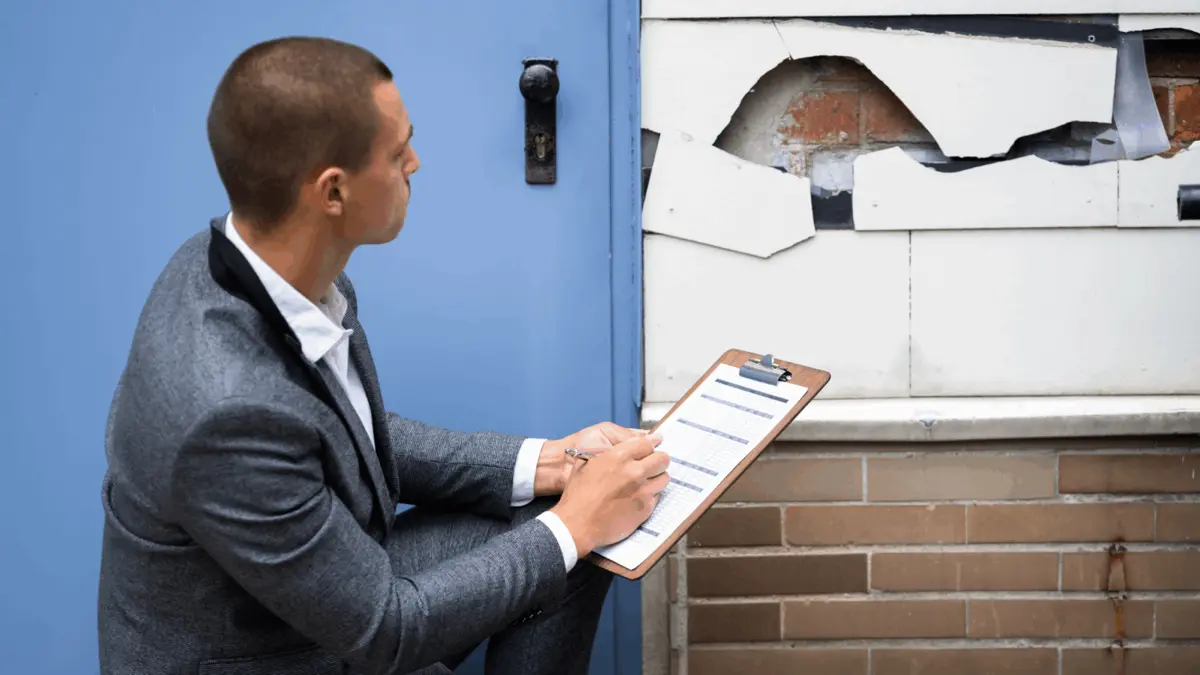
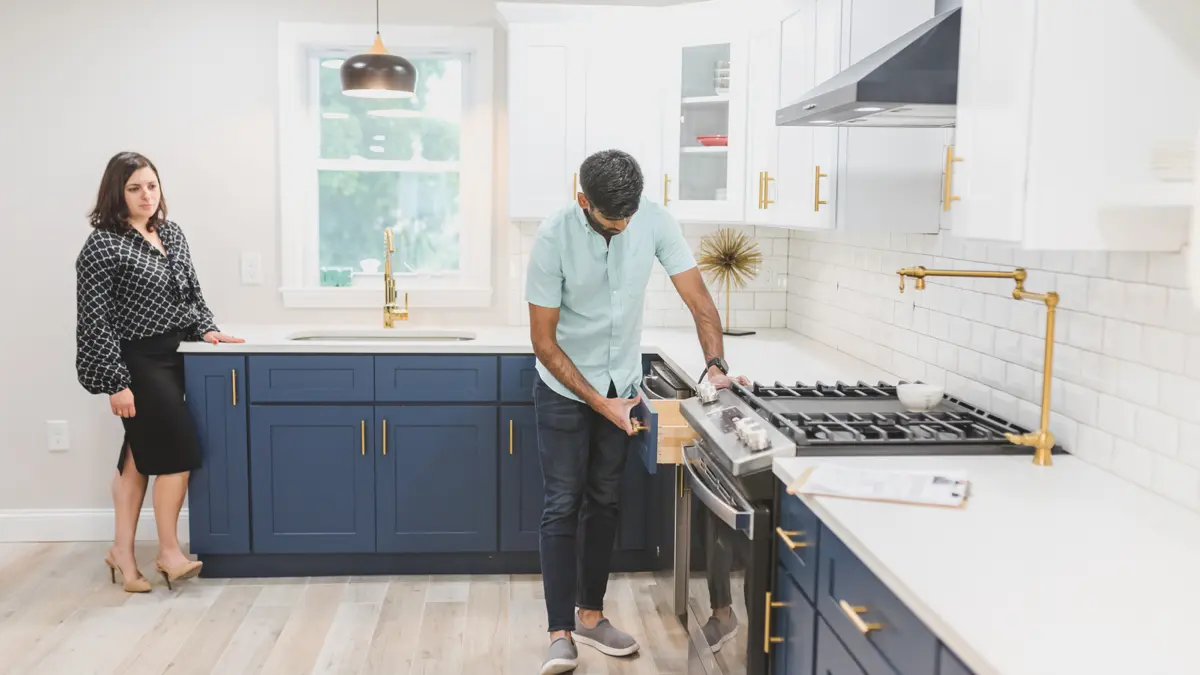
A regular rental inspection to prevent damage is the most powerful ongoing tool you have. Most serious damage is gradual — a slow plumbing leak, a failing furnace, an unauthorized pet, water pooling at a window. A consistent inspection cadence catches these while they are still cheap to fix. For most Vancouver, WA properties, a routine inspection every six months — on top of move-in and move-out inspections — strikes the right balance.
During each inspection, focus on the systems and areas where small problems compound fastest:
- HVAC system and furnace filter condition
- Plumbing under sinks, around the water heater, and at toilet bases for leaks
- Signs of mold or moisture, especially in bathrooms and the Pacific Northwest's damp shoulder seasons
- Pest activity
- Roof, gutters, windows, and exterior drainage
- Evidence of unauthorized occupants or pets
Critically, you cannot simply show up. Washington's Residential Landlord-Tenant Act requires at least two days' written notice before entering, and entry must be at a reasonable time. Honoring that notice rule keeps the relationship healthy and keeps you compliant. For a repeatable process, see our walkthrough on how to conduct a tenant walk-through inspection.
Keep Inspecting Long-Term Tenants
It is tempting to stop inspecting a reliable tenant who has stayed for years, but that is exactly when slow wear accumulates unseen. A long, stable tenancy is valuable and worth protecting — keep the inspection routine going so upkeep stays on track, while pairing it with the relationship-building that drives tenant retention.
Build a Healthy Landlord-Tenant Relationship
A tenant who feels respected and heard reports problems early — and early reports are what prevent expensive damage. Be responsive, professional, and consistent. When a tenant trusts that you'll handle a maintenance request quickly, they tell you about the dripping faucet instead of ignoring it until the cabinet rots.
Respecting privacy is part of this. Beyond the legally required notice before entry, give tenants predictable communication and reasonable scheduling. The owners who experience the least damage are usually the ones whose tenants feel like partners in maintaining the home, not adversaries — a dynamic that also supports long-term tenant loyalty.
Refresh the Property Between Tenants
Turnover is your chance to reset the property's condition and set the tone for the next tenant. After move-out, repaint where needed, repair any damage, replace failing appliances, and deep-clean carpets and floors. A visibly well-maintained home does two things: it attracts higher-quality applicants who are more likely to care for it, and it makes future damage easier to spot against a clean baseline.
Consider Professional Property Management
Every step above — screening, lease drafting, deposit handling, inspections, fast maintenance — takes time and consistency. A professional property management company runs all of it as a system, which is precisely what minimizes damage. That includes compliant tenant screening, scheduled rental property inspections, prompt maintenance coordination, and on-time rent collection. The result is lower damage risk and far less stress for you.
Preventing tenant damage isn't about finding perfect tenants — it's about building a system where damage is unlikely, and caught early when it does happen.
Protect Your Vancouver, WA Rental
VPMG Property Management screens tenants, drafts airtight leases, and runs regular inspections so your property stays in top condition year after year. Contact us at (360) 803-2002 or info@vancouverpmg.com, or reach out here for an instant rental analysis.
Prevention is the cheapest form of damage control, but it pays to know your options if something slips through. Read our guide on what to do when a tenant damages your rental property for how to handle deductions and repairs, and review the hidden rental property costs that catch Clark County landlords off guard.
Frequently Asked Questions
How do I prevent tenant damage to my rental property?
Stack several defenses: screen applicants thoroughly, write a tight lease with clear maintenance and damage clauses, collect a fair security deposit, document the home's condition at move-in with dated photos, and run a routine rental inspection every six months. Because most damage is gradual, catching small issues early is what protects your investment over the long run.
What counts as tenant damage versus normal wear and tear in Washington?
Under Washington's Residential Landlord-Tenant Act, normal wear and tear is the expected aging of a property from ordinary use — faded paint, lightly worn carpet, minor scuffs — and you cannot charge a tenant for it. Tenant damage is harm beyond ordinary use, like large holes, broken fixtures, pet stains, or neglect. A documented move-in inspection is the clearest way to tell the two apart.
How often should I inspect a rental property to prevent damage?
A rental inspection every six months is a sound schedule for most Vancouver, WA properties, plus move-in and move-out inspections. In Washington you must give the tenant at least two days' written notice before entering, at a reasonable time. Routine inspections catch leaks, HVAC issues, and unauthorized pets before they become expensive repairs.
Can a security deposit cover all tenant damage?
Not always. A deposit is a cushion, but a single major event — a serious water leak, fire, or extensive pet damage — can exceed it. That's why prevention through screening, a strong lease, and regular inspections matters more than the deposit amount. Washington law also requires a written move-in condition checklist and a deductions statement within 30 days of move-out, so keep careful documentation.

Written by Avenir Gedarevich, Washington State Designated Broker (WA Managing Broker License #24033559) at VPMG Property Management in Vancouver, WA.