- Good landscaping isn't cosmetic — it protects the structure, reduces liability, and helps a Vancouver, WA rental lease faster and at a stronger rent.
- The Pacific Northwest's wet winters, dry summers, and year-round moss demand a season-by-season plan, not one big cleanup.
- Native, drought-tolerant plants plus mulch and drip irrigation cut tenant workload, water bills, and turnover headaches.
- A lease that spells out who handles mowing, watering, and seasonal cleanup prevents the most common landscaping disputes and move-out deductions.
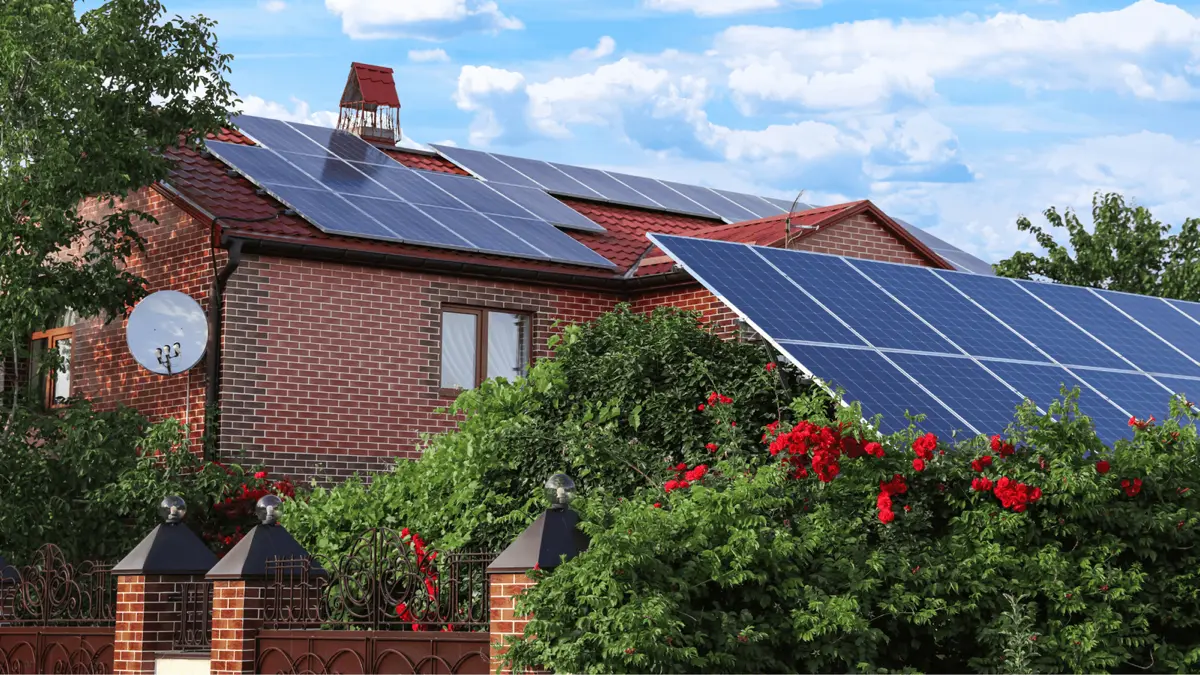
For a rental property, the yard is never just decoration. It is the first thing a prospective tenant sees in your listing photos, the surface a slip-and-fall claim can hinge on, and the line of defense between a Pacific Northwest rainy season and water in the crawlspace. That is why thoughtful landscaping tips for rental properties are really investment-protection tips — and in Vancouver, WA, the local climate makes them more important, not less.
The Pacific Northwest hands landlords a specific set of challenges: long, wet winters that grow moss on every shaded surface, dry summers that scorch unwatered lawns, and a leaf-and-rain season that overwhelms neglected gutters. The good news is that rental property landscaping in Vancouver, WA is very manageable once you break the year into four seasons, each with a short, repeatable checklist. This guide walks through that season-by-season plan, plus low-maintenance designs and the lease language that keeps landscaping from becoming a fight. If you're preparing a unit between tenancies, pair this with our guide on getting your property ready to rent.
Why Landscaping Matters More for a Rental Than a Home
When you own the home you live in, an overgrown bed or a mossy walkway is a personal annoyance. On a rental, the same neglect quietly costs money in four distinct ways:
- Curb appeal drives leasing speed. A tidy, green yard photographs well and pulls more applicants, which means shorter vacancies. Every week a unit sits empty is rent you never recover — exactly the math behind reducing vacancy rates.
- Landscaping signals the standard. A property that looks cared for tends to attract tenants who treat it the same way. Curb appeal is part of how you set expectations before anyone signs.
- Neglect becomes structural damage. Clogged gutters, pooling water, and tree roots near the foundation turn a $50 task into a four-figure repair — one of the hidden rental property costs landlords underestimate.
- Liability lives in the yard. Slippery moss on a walkway, an icy step, or a dead limb over the driveway are real injury risks. Routine maintenance is also risk management.
In short, curb appeal for a Vancouver rental is not vanity — it is leasing velocity, tenant quality, and damage prevention rolled into one. Now to the seasonal playbook.
Spring: Clean Up, Knock Back Moss, and Stop Weeds Early
After a wet Pacific Northwest winter, spring is about undoing the damage and getting ahead of the growing season. Moss has spread across every damp surface, weeds are about to explode, and the lawn needs a reset.
- Power wash hardscapes. Pressure-wash driveways, walkways, patios, and steps to remove the slippery moss and algae buildup that accumulates over winter. This is as much a liability fix as a cosmetic one.
- Prune before new growth. Trim shrubs and trees while they are still dormant or just budding, so cuts heal cleanly and you shape the plant for the season ahead.
- Apply pre-emergent weed control. Pulling weeds early or laying down a pre-emergent now prevents a summer of constant weeding — work that often falls to a tenant who would rather not do it.
- Refresh the mulch. A new 2–3 inch layer of bark mulch retains moisture for the dry months ahead, suppresses weeds, and instantly sharpens curb appeal.
- Address roof and gutter moss carefully. Roof moss should be treated or removed by a pro, not pressure-washed, which strips shingles. Our guide to why moss grows on Vancouver, WA roofs explains the safe approach.
Pro tip: Dark bark mulch holds its color longer and hides dirt better than lighter blends, so the yard still looks fresh months later when you're showing the unit.
Summer: Drought-Proof the Yard Before the Dry Season
Vancouver, WA summers are deceptively dry. Lawns that thrived in spring can brown out by August if no one is watering, and a scorched yard reads as "neglected" in listing photos. The goal in summer is to keep things green with as little hands-on effort as possible.
- Automate the watering. Drip irrigation, soaker hoses, or a smart sprinkler timer remove the daily watering burden from tenants — and from you. Set-and-forget systems are the single biggest reduction in summer landscaping labor.
- Water early or late. Watering in the early morning or evening minimizes evaporation and fungal disease. Midday watering wastes water and money.
- Plant drought-tolerant species. Lavender, sedum, barberry, ornamental grasses, and Pacific Northwest natives like Oregon grape and sword fern shrug off dry spells with minimal intervention.
- Mow high, mow less. Cut every two to three weeks and keep the blade high — cutting too short stresses the grass and invites weeds. Taller grass shades its own roots and needs less water.
Pro tip: If your tenant is responsible for lawn care, include simple watering guidelines in the lease or move-in packet so a heat wave doesn't end with a dead lawn and a deposit dispute.
Fall: The Most Important Season in the Pacific Northwest
If you only get one season of Pacific Northwest rental yard maintenance right, make it fall. The transition from dry summer to wet winter is when most preventable water damage starts. A few hours of work here protects the whole property through the rainy months.
- Clean gutters and downspouts. This is the single most important fall task. Clogged gutters overflow against the foundation and into crawlspaces during winter rains. Clear them after the bulk of the leaves drop, and make sure downspouts carry water well away from the house.
- Aerate and overseed the lawn. Fall is the ideal time to repair thin or worn turf so it greens up strong in spring — right when you may be showing the unit.
- Remove leaves promptly. Wet leaves left on the lawn smother grass and breed mold; left in beds and on walkways they become a slip hazard.
- Plant trees, shrubs, and bulbs now. Fall planting lets roots establish before summer stress. Bulbs like tulips and daffodils set up next year's curb appeal for almost no cost.
Pro tip: Build fall into a broader walkthrough using our property maintenance checklist, and read up on how to prepare your rental for the rainy season so the landscaping work dovetails with the rest of your weatherproofing.
Winter: Protect Against Cold, Wind, and Standing Water
Vancouver winters are mild compared to much of the country, but they still bring hard freezes, wind, and weeks of saturated ground. Winter landscaping is mostly about protection and damage prevention.
- Insulate exposed pipes and irrigation lines. Wrap hose bibs and above-ground irrigation, and shut off and drain irrigation systems before the first hard freeze to prevent burst lines.
- Prune dead and weak branches. Remove dead limbs that could snap under wind or a rare snow load and damage the roof, fence, or a parked car.
- Manage mud in high-traffic areas. Lay gravel or stepping stones along well-worn paths so saturated ground doesn't turn into a muddy mess tracked into the unit.
- De-ice without damaging concrete. Use sand rather than rock salt on icy walkways — salt pits concrete and kills nearby plants and lawn edges.
Pro tip: Frozen and burst pipes are a winter emergency, not a routine fix. Knowing the difference helps everyone respond correctly — see our guide to which maintenance issues count as emergencies.
Low-Maintenance Landscaping That Pays Off on a Rental
For most landlords, the smartest long-term move is to design the yard so it needs less work in the first place. Low-maintenance landscaping reduces tenant friction, lowers water bills, and keeps the property presentable between tenancies. Strong options for a Vancouver, WA rental include:
- Native shrubs + rock or bark beds: Sword fern, salal, Oregon grape, and lavender thrive on local rainfall with little watering and no mowing.
- Mulched planting beds: A generous mulch layer suppresses weeds, holds moisture, and only needs an annual top-up.
- Raised garden beds: A nice tenant amenity that also keeps soil and plantings contained and tidy.
- Artificial turf in small areas: Higher upfront cost but near-zero maintenance — useful for shady spots where grass struggles or pet-relief areas.
- Smart irrigation: Timer- or app-controlled watering removes the human variable entirely. It pairs well with the broader sustainability upgrades tenants increasingly look for.
The aim isn't a showpiece garden — it's a yard that looks cared for and stays that way with minimal intervention, season after season, tenant after tenant.
Spell Out Landscaping Responsibility in the Lease
The most common source of landscaping conflict isn't the work itself — it's ambiguity about who owns it. A clear lease prevents disputes and protects you at move-out. At minimum, your lease or a landscaping addendum should state:
- Who handles routine mowing and how often
- Who is responsible for watering, and any guidelines during dry spells
- Who completes seasonal cleanup — leaf removal, weeding, and bed maintenance
- What the tenant may not do (e.g., removing plants, altering beds) without permission
For single-family rentals, it's common to assign routine lawn care to the tenant while the owner retains seasonal and structural tasks — tree pruning, gutter cleaning, and irrigation repairs. Whatever you decide, put it in writing. Clear expectations also reduce friction that drives turnover; landscaping is part of the overall experience covered in our guide to tenant retention. And when a tenancy ends, documented landscaping duties make it far easier to handle the yard fairly under Washington's security deposit rules.
On a rental, landscaping isn't about the perfect garden. It's about a yard that leases the unit faster, prevents expensive damage, and never becomes a dispute.
Let VPMG Handle the Seasonal Upkeep
VPMG Property Management coordinates seasonal landscaping and maintenance for Vancouver, WA rental properties — and drafts clear lease language so responsibilities are never in question. Reach us at (360) 803-2002 or info@vancouverpmg.com for an instant rental analysis.
Frequently Asked Questions
Should the landlord or tenant handle landscaping on a rental property?
It depends on what your lease says. For single-family rentals, many Vancouver, WA landlords assign routine lawn care — mowing, watering, and weeding — to the tenant while keeping seasonal and structural work like tree pruning, gutter cleaning, and irrigation repairs as the owner's responsibility. The key is to spell out exactly who does what in writing before move-in. Vague language is the most common cause of landscaping disputes and move-out deductions.
What is the best low-maintenance landscaping for a Vancouver, WA rental?
In the Pacific Northwest, the lowest-maintenance setups combine native, drought-tolerant shrubs with rock or bark beds, a layer of mulch to suppress weeds, and drip irrigation on a timer. Native plants like sword fern, salal, Oregon grape, and lavender thrive on Clark County's wet winters and dry summers with little intervention. These designs cut tenant workload, reduce water bills, and keep the yard presentable between tenancies.
How do I deal with moss on a Vancouver rental property?
Moss is unavoidable in the Pacific Northwest's damp, shaded climate. Power wash driveways, walkways, and patios each spring to remove slippery moss buildup that creates a slip-and-fall liability. On the roof, have moss treated or removed by a professional rather than pressure-washed, which can damage shingles. Improving drainage, trimming back overhanging branches to let in light, and keeping gutters clear all slow regrowth.
Does landscaping actually improve a rental property's value?
Yes. Strong curb appeal helps a Vancouver, WA rental lease faster and at a stronger rent, because the yard is the first thing prospective tenants see in listing photos and at showings. Well-kept landscaping also signals that the property is cared for, which tends to attract tenants who treat the home the same way. Just as important, seasonal upkeep prevents costly problems — clogged gutters, water intrusion, and frozen pipes — that erode your return.
When is the best time to do landscaping work on a Pacific Northwest rental?
Each season has a job. Spring is for cleanup, moss removal, mulching, and pre-emergent weed control. Summer is for drought-proofing and efficient watering. Fall is the most important season in the Pacific Northwest: clean gutters, overseed, remove leaves, and prep for the rainy season. Winter is about protecting pipes and pruning dead branches. Fall is also the ideal window to plant new trees and shrubs so roots establish before summer.

Written by Avenir Gedarevich, Washington State Designated Broker (WA Managing Broker License #24033559) at VPMG Property Management in Vancouver, WA.