- The fastest way to make your rental property more sustainable is to start with cheap, high-return fixes — LED lighting, air sealing, a programmable thermostat, and low-flow fixtures — before any big-ticket projects.
- Eco-friendly rental upgrades cut your operating costs and the tenant's utility bills, which helps a Vancouver, WA unit lease faster and stay occupied longer.
- Bigger investments like attic insulation, energy-efficient windows, heat pumps, and solar pay back more slowly but protect long-term property value.
- Washington offers a solar sales-tax exemption, and Clark County utilities periodically run efficiency rebates — confirm current programs before you budget.
A greener rental property in Vancouver, WA delivers two wins at once: it lowers the cost of running the home, and it makes the unit more attractive to the kind of long-term, responsible tenants every landlord wants. The Pacific Northwest's wet winters and increasingly warm summers make energy and water savings genuinely valuable here, and a growing share of renters now actively look for eco-friendly housing. This guide walks through exactly how to make your rental property more sustainable — from the inexpensive upgrades you can do this weekend to the larger investments worth planning over a few years.
The smart approach is to sequence the work by return on investment. The cheapest improvements often pay for themselves in months and quietly trim your maintenance load, while the expensive ones protect value over the long haul. If you want a tenant-facing view of which improvements renters actually notice and pay for, our companion guide on energy-efficient upgrades that tenants love pairs well with the cost-focused breakdown below.
Start With Low-Cost, High-Return Eco-Friendly Rental Upgrades
Before spending thousands on solar or new windows, capture the easy savings. These eco-friendly rental upgrades are inexpensive, fast to install, and start paying you back almost immediately.
1. Switch Every Bulb to LED Lighting
LED bulbs use up to 75% less energy than incandescent bulbs and last many times longer, according to the U.S. Department of Energy. Re-lamping an entire unit costs very little, eliminates a recurring maintenance task (you're not swapping burned-out bulbs every few months), and starts cutting the electric bill the day it's done. This is the single easiest first move toward an energy-efficient rental property.
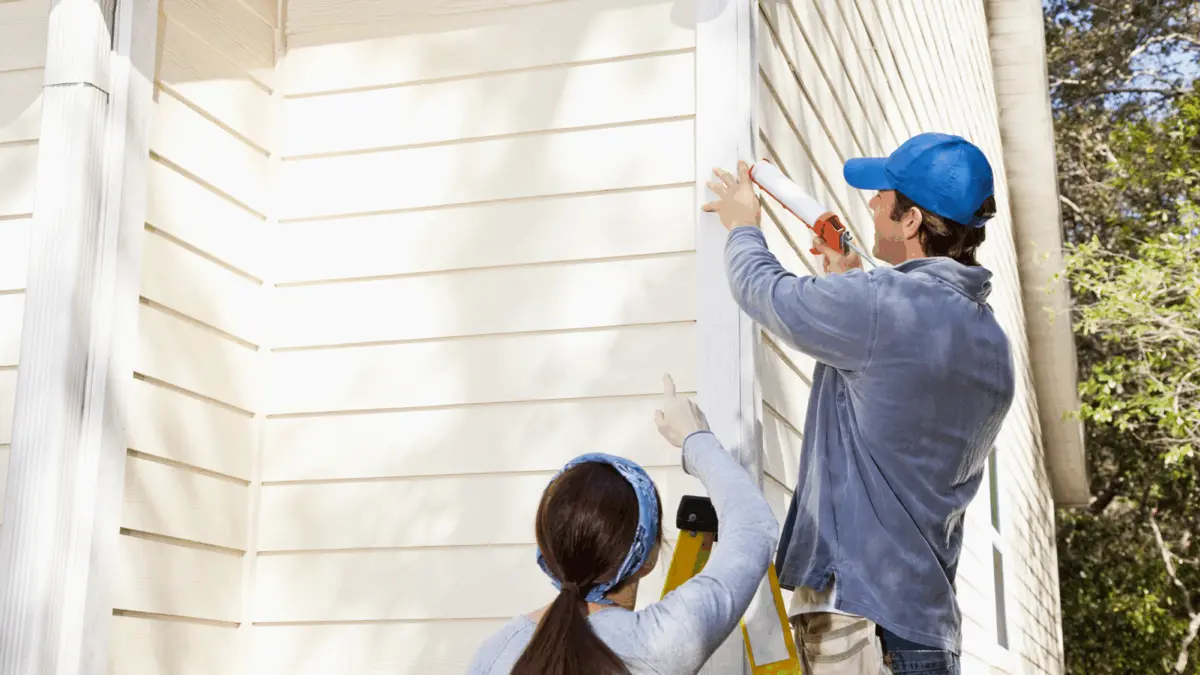
2. Seal Air Leaks Around Windows and Doors
Gaps around windows, exterior doors, and penetrations let conditioned air escape and let drafts in — a real problem during a Vancouver winter. A few tubes of caulk and a roll of weatherstripping cost very little but noticeably reduce heating load. Sealing leaks is one of the most cost-effective efficiency improvements you can make and pairs naturally with routine upkeep on your seasonal property maintenance checklist.
3. Install a Programmable or Smart Thermostat
A programmable thermostat lets tenants set heating and cooling schedules so the system isn't conditioning an empty home all day. Many smart models learn the household's routine and adjust automatically. The energy saved during work and sleep hours adds up quickly, and a smart thermostat is also a selling point when you market the unit.
4. Fit Low-Flow Water Fixtures
Low-flow showerheads, faucet aerators, and dual-flush or high-efficiency toilets can meaningfully reduce water use, and most tenants never notice a difference in performance. Just as important: fix leaks fast. A single slow-dripping faucet or running toilet can waste thousands of gallons a year and inflate the water bill on any unit where the owner pays it. Catching these is exactly what a routine inspection is for — see our guide to conducting a tenant inspection.
Energy-Efficient Rental Property Improvements Worth Planning
Once the cheap wins are in place, the next tier of upgrades costs more but delivers larger, longer-lasting savings and protects the home's value. Plan these around turnover or your regular capital-improvement budget.
5. Improve Attic and Wall Insulation
Good insulation keeps indoor temperatures stable and dramatically eases the load on heating and cooling. In most homes the attic is the biggest opportunity — heat rises and escapes there first — followed by exterior walls and the rim joist. Upgrading insulation is one of the highest-impact efficiency investments for a Vancouver, WA rental, and Clark County utilities have historically offered rebates that improve the payback.
6. Upgrade to Energy-Efficient Windows
Double- or triple-pane windows hold heat in during winter and block solar gain in summer, keeping the unit comfortable while reducing HVAC runtime. Full window replacement is a larger project with a longer payback period, so it usually makes most sense when existing windows are failing anyway, or as part of a broader renovation between tenancies.
7. Replace Appliances With ENERGY STAR Models at Turnover
When an appliance fails or it's time to refresh a unit, choose ENERGY STAR certified refrigerators, dishwashers, and washers. They use less electricity and water than older models, lowering utility costs and reducing the property's footprint. Buying at turnover rather than replacing working units keeps the upgrade economical.
8. Maintain (and Eventually Modernize) the HVAC System
Have the HVAC system serviced at least once a year — clean filters and coils, proper refrigerant charge, and a tuned system run efficiently and last far longer than neglected equipment. When a furnace or AC reaches end of life, a high-efficiency heat pump is often the strongest replacement in our climate and may qualify for utility or federal incentives. Staying ahead of service also prevents the costly breakdowns covered in our guide to handling rental maintenance emergencies.
9. Explore Solar Panels
Solar panels carry a higher upfront cost but can deliver substantial electricity savings over their lifespan. Washington State provides a sales-and-use-tax exemption on qualifying residential solar energy systems, and federal tax credits are available as well, both of which improve the return on investment. Because payback periods are long, solar makes the most sense for owners planning to hold the property for many years.
Sustainable Landlord Tips Beyond Hardware
Not every improvement is a physical upgrade. Some of the most effective sustainable landlord tips are about behavior, landscaping, and measurement.
10. Add Smart-Home Features Renters Expect
Automated lighting, smart plugs, leak sensors, and connected thermostats give tenants fine control over their energy use, and a growing number of renters now expect these conveniences in a modern home. Beyond the energy savings, smart features help your listing stand out and can support a stronger rent.
11. Use Native, Drought-Tolerant Landscaping
Swapping thirsty non-native plantings for drought-tolerant natives reduces both watering and upkeep, and well-chosen natives thrive on their own in the Pacific Northwest climate. Lower-maintenance landscaping also means fewer service calls and a tidier curb appeal year-round — our seasonal landscaping tips for rental properties go deeper on plant choices and watering.
12. Educate Tenants on Conservation
A short welcome guide can teach simple, no-cost habits: turn off lights when leaving a room, report leaks immediately, and adjust the thermostat with the seasons. These small behavioral changes reduce energy and water use without any capital outlay, and they signal to tenants that you run a well-managed home.
13. Offer Tenant Incentive Programs
Consider rewarding tenants who keep utility use low — a modest rent credit or gift card can turn conservation into a shared goal. Beyond the direct savings, gestures like this strengthen the landlord-tenant relationship and support long-term tenant retention, which is where most of the financial benefit of a sustainable rental actually comes from.
14. Commission a Professional Energy Audit
A certified energy auditor uses tools like blower-door tests and infrared imaging to pinpoint exactly where a property wastes energy, then recommends the fixes with the best payback. An audit takes the guesswork out of sequencing your upgrades and ensures you spend on the improvements that actually move the needle.
The Business Case: Why Sustainability Pays for Vancouver, WA Landlords
It's easy to frame sustainability purely as an environmental choice, but for landlords the financial logic is just as strong. Lower utility costs make a unit cheaper to live in, which helps it lease faster and command stronger rents. Efficient homes generate fewer maintenance calls and breakdowns. And because the largest hidden cost of any rental is vacancy, the real prize is occupancy: an energy-efficient rental property that tenants want to stay in keeps turnover — and lost rent — low.
None of this means spending blindly. Sustainability upgrades belong in the same disciplined budgeting you apply to every expense, so weigh each one against its payback and avoid the kind of unplanned outlays that show up in our roundup of hidden rental property costs. Done right, a green retrofit is an investment in lower operating costs and higher long-term value — not just a feel-good gesture.
Sustainable properties draw better tenants and sit empty less often. They also cost less to run over time. Going green helps the environment — and it helps your bottom line.
Ready to Upgrade Your Rental?
VPMG Property Management helps Vancouver, WA landlords identify the affordable, high-return improvements that raise property value and keep tenants happy. Contact us at (360) 803-2002 or info@vancouverpmg.com to discuss your property's potential.
Frequently Asked Questions
How can I make my rental property more sustainable?
Start with low-cost, high-return upgrades: swap all bulbs for LEDs, add weatherstripping and caulk to seal air leaks, install a programmable thermostat, and fit low-flow showerheads and faucet aerators. As budget allows, move on to attic insulation, ENERGY STAR appliances at turnover, energy-efficient windows, and a professional energy audit. These eco-friendly rental upgrades cut utility costs, reduce maintenance calls, and make the unit more attractive to tenants.
Do energy-efficient upgrades actually increase rental income?
Often, yes. An energy-efficient rental property with lower utility bills, modern appliances, and smart-home features tends to lease faster, command stronger rents, and retain tenants longer. Lower turnover and fewer vacancy days frequently matter more to your bottom line than the rent premium itself, because each vacant month is pure lost income.
Are there incentives for sustainable upgrades in Washington State?
Washington offers a sales-tax exemption on qualifying residential solar energy systems, and federal tax credits are available for solar and certain efficiency improvements. Local utilities serving Clark County, including Clark Public Utilities, periodically offer rebates for insulation, heat pumps, and efficient appliances. Incentives change over time, so confirm current programs with your utility and CPA before budgeting.
Can a landlord require tenants to conserve energy?
You can't dictate a tenant's daily habits, but you can design the property and lease to encourage conservation. Provide a welcome guide with simple energy-saving tips, install efficient fixtures and smart thermostats, and consider a small incentive such as a rent credit or gift card for tenants who keep usage low. These sustainable landlord tips build cooperation rather than friction.
Which sustainable upgrade has the best return for landlords?
For most Vancouver, WA rentals the cheapest wins come first: LED lighting, air sealing, and a programmable thermostat pay back in months. Attic insulation and low-flow fixtures follow close behind. Big-ticket items like solar panels and full window replacement deliver real long-term savings but have longer payback periods, so prioritize them once the inexpensive efficiency upgrades are done.

Written by Avenir Gedarevich, Washington State Designated Broker (WA Managing Broker License #24033559) at VPMG Property Management in Vancouver, WA.