- Winterizing a rental property in the Pacific Northwest is mostly about moisture management, not frozen pipes — months of rain and high indoor humidity are the real threat in Vancouver, WA.
- The single biggest payoff is mold prevention: control water at the roofline, seal leaks, run ventilation, and keep indoor humidity below ~50%.
- Washington's landlord-tenant law obligates landlords to keep rentals weathertight and properly ventilated — so wet-season prep is also a compliance issue, not just maintenance.
- Finish the heavy work by late September, and pair the building work with a simple written moisture routine for tenants.
- Renters have their own short list: disconnect hoses, keep the heat at 60°F or higher, and report leaks fast. The tenant winterization checklist below takes about ten minutes.
Property owners across the region already know the seasonal drill — clean the gutters, check the roof, swap the HVAC filter. If you want that step-by-step seasonal walkthrough, our rental property maintenance checklist covers it. This guide is about something narrower and, frankly, more expensive when it goes wrong: how to winterize a rental property in the Pacific Northwest specifically — where the enemy is not a hard freeze but relentless moisture. In Vancouver, WA and the rest of Clark County, the same wet, mild winter that keeps the lawns green all season also drives water into buildings and breeds mold inside them. Get the moisture story right and you avoid the costliest cold-season claims landlords here face. And if you rent your home rather than own it, this guide covers your side too: jump straight to the tenant winterization checklist.
The Pacific Northwest is its own climate problem. Vancouver sits in a marine-influenced zone that delivers persistent, low-intensity rain from roughly October through April rather than the heavy freezes that drive winterization elsewhere in the country. That changes the playbook entirely. Frozen, bursting pipes are a real but secondary concern here; the day-to-day damage comes from saturated ground, water creeping in through tired seals, and humidity that has nowhere to go once tenants close the windows for the season. This guide treats winterization through that PNW lens — drainage, sealing, ventilation, heat, and mold — so the work you do actually matches the weather you get.
Why PNW Winterization Is About Moisture, Not Freezing
In most of the country, "winterizing" means insulating pipes and protecting against a hard freeze. The Pacific Northwest is different. Vancouver's winters are wet and mild, so the failure mode is rarely a burst pipe — it's water that arrives slowly and stays. Months of steady rain saturate the soil, raise the water table, and keep every exterior surface damp for weeks at a time. Meanwhile, tenants seal the house up against the cold, trapping the humidity that cooking, showering, and laundry generate.
That combination — wet outside, humid inside — is exactly what mold and slow structural water damage need to thrive. So the goal of PNW winterization is to control water on two fronts: keep bulk water from getting into the building, and keep humidity from building up inside it. Every task below maps to one of those two jobs.
Front One: Keep Bulk Water Out
Bulk water is the rain hitting the building. Your job is to move it away fast and seal the gaps it would otherwise exploit.
Move Roof Water Away From the Foundation
The roof and gutter system is the most important piece of PNW water control, because it handles the largest volume. Before the rains settle in, have the roof checked for lifted or missing shingles and failing flashing — the points where a slow drip turns into months of saturation. This is also the moment to deal with roof moss, which holds that same moisture against the shingles all season. Just as important is where the water goes after it leaves the roof. Clogged gutters overflow against the siding; downspouts that dump right at the foundation send water straight to the one place you least want it. Extend downspouts well away from the building and confirm the surrounding grade slopes away from the structure. In a PNW winter, a single misdirected downspout can keep a foundation wall wet for the entire season.
Seal the Gaps Wind-Driven Rain Exploits
Pacific Northwest rain often arrives sideways. Wind pushes moisture into gaps that would never leak in a vertical downpour, so sealing matters more here than in calmer climates. Check the weatherstripping and caulk around every window and exterior door, and re-seal anything cracked, brittle, or pulling away. Good seals do double duty: they block water intrusion and they cut the drafts and heat loss that drive up condensation indoors. Don't forget the less obvious penetrations — hose bibs, dryer vents, cable and utility entries — each is a potential entry point for the season's wind-driven rain.
Manage Drainage and Landscaping
Once the ground is saturated, drainage becomes the difference between a dry crawlspace and a standing-water problem. Make sure French drains and any perimeter drainage are clear and flowing, not packed with silt and leaves from last season. Trim back landscaping so plants aren't holding moisture against the siding, and clear leaf litter from low spots where water pools. If a property has a crawlspace, confirm the vapor barrier is intact and the space isn't collecting standing water — crawlspaces are a quiet, common source of the moisture that later shows up as mold on the floor above.
Front Two: Control Indoor Humidity (and Stop Mold)
Even a perfectly sealed building grows mold if the air inside stays damp. This is the part of PNW winterization landlords most often underestimate, and it's where mold prevention is won or lost.
Make Sure Ventilation Actually Works
Bathrooms, kitchens, and laundry areas are humidity factories, and their exhaust fans are the first line of defense. Confirm each fan runs strongly and — critically — that it vents to the outside, not into an attic or crawlspace where it just relocates the moisture problem. A bathroom fan that exhausts into the attic is worse than no fan at all. Clean the grilles, replace anything weak or noisy, and consider timer or humidity-sensing switches so fans run long enough to clear the moisture after a shower rather than being switched off too soon.
Keep the Building Heated and the Humidity Down
Warm air holds more moisture without condensing, so consistent heat is part of mold prevention, not a separate comfort issue. Service the HVAC system and replace filters before the season starts so it runs efficiently through months of heavy use; a struggling furnace invites the cold surfaces where condensation forms. The target is to keep indoor relative humidity below roughly 50%. On a problem property — a daylight basement, a tightly sealed unit, a home with chronic window condensation — a dehumidifier can be a cheap insurance policy against a mold remediation bill. Heating, ventilation, and tenant habits are levers that move the same dial: indoor moisture.
Catch Mold Early With Targeted Inspection
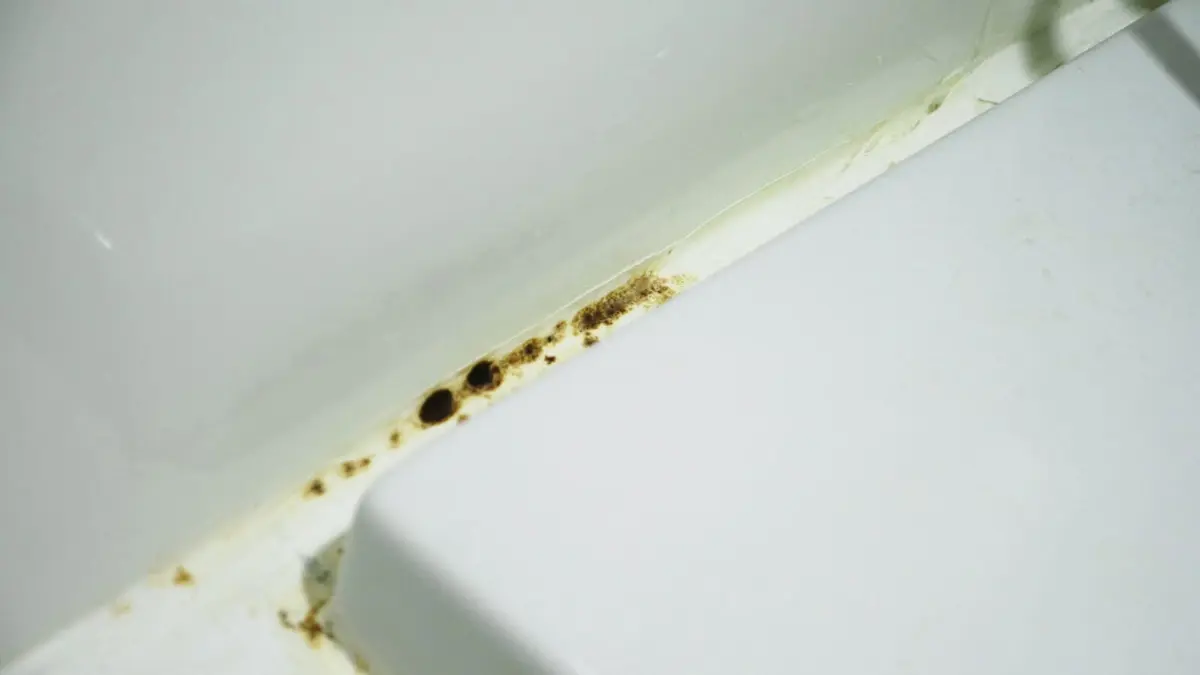
Mold rarely announces itself; it's usually found by someone looking. Before and during the wet season, inspect the predictable trouble spots — under sinks, around window frames, behind furniture on exterior walls, in closets against north-facing walls, and anywhere with a musty smell. Catching a small spot while it's still cosmetic is the difference between a wipe-down and a wall opened up. For a deeper look at remediation, tenant communication, and liability once mold appears, see our full guide on handling mold in rental properties. Folding these checks into your tenant inspection routine keeps the wet-season review consistent year to year.
Washington Landlord Obligations During the Wet Season
Wet-season prep isn't only good asset management — in Washington it overlaps with your legal duties. Under the Residential Landlord-Tenant Act, landlords must keep a rental weathertight and maintain the structural components and provided systems, including heating and ventilation, in good working order. In practice that means a leaking roof, a failed window seal letting water in, or a broken bathroom fan that lets humidity build are issues a landlord is generally obligated to address.
Washington law also requires landlords to provide tenants with written information about the health hazards associated with exposure to indoor mold. That single requirement is a good reason to make tenant education a documented part of your winterization routine rather than a verbal aside. Where mold comes from genuinely affects who is responsible for fixing it — landlord-caused leaks versus tenant habits like never running a fan or drying laundry indoors — and our breakdown of who pays for repairs in Washington walks through how that line gets drawn. For the broader picture of what "habitable" legally requires, see our overview of Washington habitability laws.
Bring Tenants Into the Plan
The best-sealed, best-drained building still relies on the people living in it. Tenants control the daily moisture inputs — running fans, reporting leaks early, and not turning the heat off entirely while away. Before the season starts, give tenants a short, written winter-moisture routine: run exhaust fans during and after showers, report any leak, drip, or musty smell promptly, keep furniture a few inches off exterior walls so air can move, and avoid drying laundry indoors without ventilation. Frame it as helping them stay comfortable and avoid deposit disputes, not as a list of rules.
Responsive, well-informed tenants are also your earliest warning system: a tenant who texts about a small ceiling stain in November saves you from a collapsed-drywall claim in February. That kind of cooperation is one more reason tenant retention pays off — a tenant who plans to stay treats the property like it's theirs to protect. The checklist below is a ready-made version you can send tenants each fall.
The Tenant Winterization Checklist for Vancouver, WA Renters
Everything above is the owner's side of the job. This section is the renter's. If you rent a single-family home in Vancouver or elsewhere in Clark County, the tasks below take about ten minutes and prevent the two most expensive winter emergencies in a rental: a burst pipe and a furnace that dies in the middle of a cold snap. Renters in apartment buildings can skip most of this, since building maintenance teams handle winterization there.
Outside the Home
- Disconnect garden hoses from outdoor faucets. This is the single most important item on the list. A connected hose traps water in the pipe, and when Vancouver gets one of its occasional hard freezes, that trapped water is the number one cause of burst pipes.
- Cover outdoor faucets (hose bibs) with insulated foam covers. They cost a few dollars at any hardware store and take seconds to install.
- Clear leaves from gutters and downspouts if your lease makes you responsible for them, so roof water drains away from the house instead of overflowing against the siding.
- Turn off the sprinkler system for the season at the controller if your home has one.
Inside the Home
- Test your heat early. Run the furnace for 15 minutes in early October, even if you don't need it yet. If it makes unusual noises, smells strange after the first few minutes, or doesn't heat properly, report it right away. Heating companies book up fast once cold weather arrives, and a furnace problem found in October gets fixed in days instead of weeks.
- Keep the thermostat at 60 degrees or higher at all times, even when you're away or traveling. Pipes inside exterior walls rely on the home's heat to stay above freezing.
- Know where the main water shutoff valve is. It's usually in the garage, the crawlspace, or near the water meter at the street. If a pipe ever bursts, shutting the water off quickly is the difference between a small repair and major damage.
- Replace the furnace filter if it's been more than three months.
- Glance at the water heater. If you see drips, leaks, or wet spots around its base, report it immediately.
- Test smoke and carbon monoxide detectors and replace batteries if needed.
- Use space heaters safely: at least three feet from anything flammable, plugged directly into the wall (never a power strip), and off when you leave the room.
When Temperatures Drop Below Freezing
- Let faucets on exterior walls drip slightly overnight. Moving water is much harder to freeze.
- If you'll be away from home for more than a few days, let your property manager know, and leave the heat on at 60 degrees or higher.
If a Pipe Freezes or Bursts
Shut off the main water valve immediately, then call your property manager's maintenance line right away. Never try to thaw a pipe with an open flame or a heat gun. Through the rest of the season, the moisture habits covered earlier (running exhaust fans, reporting leaks and musty smells early, keeping furniture off exterior walls) are the renter tasks that matter most in a Pacific Northwest winter. For how repair responsibility is divided when something does go wrong, see who pays for repairs in Washington.
In the Pacific Northwest, you don't winterize a rental against the cold — you winterize it against water. Control where the rain goes and where the humidity ends up, and you've solved the season.
Let VPMG Handle Wet-Season Prep
VPMG coordinates seasonal property maintenance for Vancouver, WA rentals — roof and gutter checks, sealing, HVAC service, and proactive mold inspections — so your property is ready before the rain settles in. Reach us at (360) 803-2002 or info@vancouverpmg.com for an instant rental analysis.
Winterization is a recurring cost, but it's a small one next to the repairs it prevents — and the worst of those, like undetected leaks and crawlspace moisture, often hide in the line items landlords overlook. For more of those, see our guide to hidden rental property costs.
Frequently Asked Questions
What does it mean to winterize a rental property in the Pacific Northwest?
In the PNW, winterizing is less about freezing pipes and more about managing months of persistent rain and indoor humidity. The priorities are moving roof and gutter water away from the building, sealing air and water leaks, servicing heating and ventilation to limit condensation, and giving tenants a clear routine for keeping indoor moisture down. Done before the wet season, these steps prevent the slow water intrusion and mold that drive the most expensive cold-season repairs in Vancouver, WA.
Who is responsible for mold in a Washington rental — landlord or tenant?
It depends on the cause. Under Washington's Residential Landlord-Tenant Act, landlords must keep the structure weathertight and maintain working ventilation, so mold from a leaking roof, failed window seal, or broken bathroom fan is generally the landlord's to fix. Mold that grows because a tenant never runs the fan, dries laundry indoors, or fails to report a leak can shift responsibility toward the tenant. Washington also requires landlords to give tenants written information about indoor mold hazards.
How do I prevent mold in a rental during the rainy season?
Mold needs moisture, so prevention is moisture control. Make sure exhaust fans vent outside and run long enough to clear humidity, keep indoor humidity below roughly 50%, fix leaks fast, and keep the building properly heated and ventilated. Give tenants a simple written winter-moisture routine and inspect before and during the wet season so small problems are caught while they're still cosmetic.
When should I winterize my Vancouver, WA rental?
Aim to finish the major work by late September or early October, before the heavy rain settles in. Roof and gutter checks, drainage fixes, sealing, and HVAC service are far cheaper and easier to schedule in late summer than during a storm. Treat it as an annual routine tied to your seasonal maintenance calendar rather than a one-time project.
Do tenants have to winterize a rental in Washington?
The structural work, including the roof, gutters, drainage, sealing, and HVAC service, belongs to the landlord. Tenants are expected to handle the simple seasonal habits: disconnecting garden hoses, keeping the home heated, running exhaust fans, and reporting leaks promptly. Many Washington leases also set a minimum indoor temperature and hold tenants responsible for damage caused by a hose left connected or heat turned off in winter, so the ten-minute tenant checklist is worth doing every fall.
What temperature should a rental home be kept at in winter?
Keep the thermostat at 60 degrees Fahrenheit or higher around the clock, including while traveling. Pipes inside exterior walls rely on the home's heat to stay above freezing, and most burst-pipe claims after a cold snap trace back to an empty house with the heat turned off. During a hard freeze, letting faucets on exterior walls drip slightly overnight adds another layer of protection.

Written by Avenir Gedarevich, Washington State Designated Broker (WA Managing Broker License #24033559) at VPMG Property Management in Vancouver, WA.