- Rent is capped (HB 1217): after year one, the lesser of 7%+CPI or 10% — 9.683% for 2026; 5% for mobile-home lots; 90-day notice.
- New this year (ESSB 6200): landlords generally can't ban a tenant's portable AC, effective June 11, 2026.
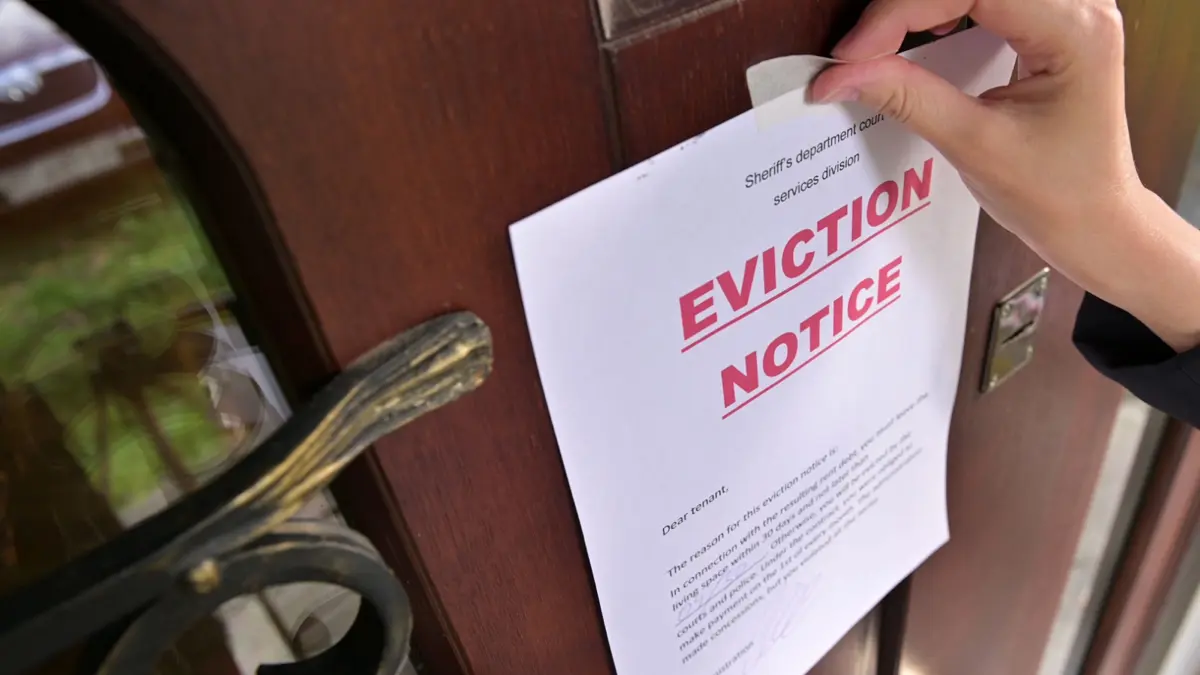
- Eviction notices must state an exact date (HB 1003); Washington remains a just-cause state.
- Security deposits return within 30 days with an itemized statement, or face penalties of up to twice the deposit.
The Washington landlord tenant law changes 2026 are some of the most significant the state has seen in years, and Vancouver, WA landlords are squarely affected. A statewide rent cap is now fully in force, a brand-new tenant right to portable cooling takes effect this summer, and updated eviction-notice rules are already on the books. This guide is the canonical, plain-English rundown of what changed and what it means for your Clark County rentals — grounded in the Residential Landlord-Tenant Act (RLTA) and the recent bills that reshaped rent increases, evictions, and tenant rights. It is general information, not legal advice, so confirm specifics for your situation.
If you manage even one rental here, two acronyms should be on your radar this year: HB 1217 (the rent-increase cap) and ESSB 6200 (portable cooling). Below we break down each change, the numbers that matter for 2026, and the practical steps to stay compliant. For the deeper statutory background that predates this year's updates, see our overview of Washington state rental laws.
1. HB 1217 — The Statewide Rent Increase Cap (the big one)
Signed May 7, 2025 and effective immediately, House Bill 1217 introduced the first statewide limits on rent increases in Washington history. It is the single most consequential change for landlords, because it converts what used to be a business decision into a hard legal ceiling.
- The cap: after the first 12 months of tenancy, you can't raise rent more than the lesser of 7% + CPI or 10% in any 12-month period. For 2026, that ceiling is 9.683%. Manufactured/mobile-home lots are capped at 5%.
- First year: no rent increase is allowed during the first 12 months of a tenancy.
- Notice: at least 90 days' written notice before any increase (up from the old 60-day rule).
- Lease-type parity: you generally can't charge more than a 5% difference based on whether the lease is month-to-month or fixed-term.
- New-construction exemption: buildings within their first 12 years from the certificate of occupancy are generally exempt from the cap, though the notice rules still apply.
What HB 1217 means for a Vancouver, WA rental
On a $2,000/month Clark County home, the 2026 cap of 9.683% means the largest lawful increase after year one is roughly $193 per month — taking rent to about $2,194. That is a comfortable cushion for most market-rate landlords, but it removes the ability to "catch up" an under-market unit in a single big jump. The practical takeaway is to keep rents close to market every year rather than letting them drift far below and then trying to correct all at once. To benchmark where your unit sits today, run a current rental valuation before you set the next increase. House Bill 1217 has enough nuance that we maintain a dedicated HB 1217 rent cap explainer for landlords who want the full mechanics.
2. ESSB 6200 — Tenants' New Right to Portable Cooling (new this year)
The headline new change for 2026 is ESSB 6200. Effective June 11, 2026, it generally bars landlords from prohibiting tenants from installing portable cooling devices — portable and window AC units and portable heat pumps. With Pacific Northwest summers running hotter and Clark County seeing more extreme-heat days, the legislature treated cooling as a near-essential. Key points:
- No fees: you cannot charge the tenant a fee for the use or installation of a portable cooling device.
- Two days' notice: the tenant must give you at least two days' notice before installing a window-mounted unit; no advance notice is required for a floor-standing unit.
- Limited exceptions: you can restrict installation if there's already a permanently installed, fully operational heat pump, or if installation would violate building codes, other law, or the manufacturer's written safety guidelines.
This is the change most landlords haven't updated their paperwork for yet. Any blanket "no air conditioners" clause in your lease is now largely unenforceable and should be rewritten to mirror the statute's narrow exceptions. It pairs closely with your existing habitability obligations in Washington, since cooling is increasingly treated as part of a livable home. For sample lease language and how the exceptions work in practice, see our full guide to Washington's portable AC law for rentals.
3. HB 1003 — Eviction Notices Must State an Exact Date
Washington remains a just-cause state: you need a valid statutory reason to end a tenancy, and the notice period depends on the cause. The core notice periods are unchanged — a 14-day pay-or-vacate for nonpayment, a 10-day comply-or-vacate for a lease breach, and a 3-day notice for nuisance or illegal activity. What changed is precision: since HB 1003 (effective July 27, 2025), termination notices must state the exact date by which the tenant must vacate or comply, rather than a vague "within X days." A notice that gets the date wrong can be thrown out, forcing you to start over. The same just-cause framework governs end-of-term decisions too — our guide to lease non-renewals in Washington walks through which reasons qualify.
If a tenant doesn't comply, you file an unlawful detainer action in Superior Court — and only a sheriff may physically remove a tenant. Self-help lockouts remain illegal and expose you to damages. For the full Clark County workflow, deadlines, and court steps, see our guide to handling evictions in Clark County, and review the broader Washington notice requirements so every notice you serve holds up.
4. Security Deposits — Deadlines That Still Bite
Deposit rules weren't rewritten this year, but they remain one of the most common and costly compliance failures, so they belong in any 2026 review. Washington has no statewide deposit cap (Seattle separately limits deposits to one month's rent and non-refundable fees to 10%). Statewide, landlords must:
- Keep deposits in a trust account separate from personal funds.
- Return the deposit within 30 days of move-out, with an itemized statement of any deductions (RCW 59.18.280).
- Provide a written move-in condition checklist, signed by the tenant, or lose the right to keep any of the deposit for damages.
Miss the 30-day window or skip the itemization and a tenant can recover up to twice the deposit plus legal fees. With the new rent cap squeezing margins, an avoidable deposit penalty is the last thing a Vancouver landlord needs. Full mechanics are in our Washington security deposit guide.
5. The Tenant-Rights Baseline (RLTA) Hasn't Gone Away
The new bills sit on top of the RLTA, which still sets the baseline both sides rely on. None of this year's changes relax these duties:
- Habitability & repairs: prompt repair of essential services; tenants have remedies (repair-and-deduct or rent withholding) if you don't act in time.
- Fair housing: equal treatment across all protected classes, with no steering, discriminatory advertising, or unequal terms. Source of income is protected in Washington, which is why landlords generally cannot refuse Section 8 vouchers.
- Entry notice: at least two days' notice to enter (one day for showings), except true emergencies.
- Disclosures: lead-based paint for pre-1978 homes, mold information, fire-safety/emergency info, and owner/agent contact details.
- Maintenance timelines: roughly 24 hours for loss of heat, water, or electricity and 72 hours for other major failures, per RLTA standards.
For a tenant-side view of these same protections — useful when you're explaining the rules to renters — see our overview of Washington tenant rights.
Licensing & Who Can Manage Rentals
One thing the 2026 changes did not alter: managing rental property for others in Washington still requires a real estate broker's license under a designated broker — typically 90 hours of pre-licensing education, a state exam, and ongoing continuing education. Registering and licensing your own rental with the City of Vancouver is a separate obligation — see our rental licensing & registration guide for the local steps.
2026 Compliance Checklist for Vancouver Landlords
If you do nothing else this year, work through this short list before your next lease or renewal:
- Cap every increase at 9.683% (5% for mobile-home lots) and give 90 days' written notice.
- Confirm year-one status — no increase in the first 12 months of any tenancy.
- Rewrite "no AC" lease clauses to match ESSB 6200's narrow exceptions; charge no cooling fees.
- Update notice templates so eviction notices carry an exact date (HB 1003).
- Tighten deposit handling — trust account, signed move-in checklist, 30-day itemized return.
- Check the new-construction exemption only if your building is genuinely within its first 12 years.
The biggest risk in 2026 isn't any single new rule — it's an old lease or notice template that quietly conflicts with one. Updating your paperwork now is far cheaper than litigating later.
Let VPMG Keep You Compliant
VPMG Property Management keeps your leases, notices, rent increases, and deposit handling current with every Washington law change so a paperwork slip never becomes a lawsuit. Call (360) 803-2002 or email info@vancouverpmg.com to get started with an instant rental analysis.
Staying Compliant Without the Headache
That's a lot of moving parts — rent-cap math, 90-day notices, exact-date eviction notices, deposit deadlines, new cooling rules, and disclosures. It's exactly the kind of thing that's easy to miss and expensive to get wrong, especially when the rules keep moving year to year. A property manager keeps your leases, notices, and processes current so you can own rentals without tracking every bill in Olympia. The same discipline applies at the front door: a legally compliant tenant screening process in Washington is your first defense against the disputes these laws govern. That's a core part of what we do at VPMG Property Management for owners across Vancouver, WA and Clark County.
Frequently Asked Questions
What are the biggest Washington landlord-tenant law changes for 2026?
The two headline changes are HB 1217, which caps annual rent increases at the lesser of 7% + CPI or 10% (9.683% for 2026) after the first year, and ESSB 6200, which generally bars landlords from prohibiting tenants from installing portable cooling devices as of June 11, 2026. HB 1003 also now requires termination notices to state an exact date to vacate or comply.
How much can a landlord raise rent in Washington in 2026?
After the first year, the lesser of 7% + CPI or 10% — which is 9.683% for 2026. Mobile-home lots are capped at 5%, no increase is allowed in the first 12 months, and 90 days' written notice is required.
Can a Washington landlord ban a tenant's portable AC in 2026?
Generally no, as of June 11, 2026 (ESSB 6200), with limited exceptions (an existing operational heat pump, code/safety conflicts, or manufacturer guidelines). You can't charge a fee, and tenants must give at least two days' notice before installing a window-mounted unit.
Are newer buildings exempt from the HB 1217 rent cap?
Generally yes — buildings within their first 12 years from the certificate of occupancy are typically exempt from the rent-increase cap, though the 90-day notice and other protections still apply. Confirm a specific property's status before relying on it.
How long to return a security deposit in Washington?
30 days after move-out (RCW 59.18.280), with an itemized statement of deductions. Non-compliance can cost up to twice the deposit plus legal fees.
Want your rentals managed in full compliance with the latest Washington law? Contact VPMG Property Management or get an instant rental analysis. General information only — not legal advice; confirm current requirements for your situation.

Written by Avenir Gedarevich, Washington State Designated Broker (WA Managing Broker License #24033559) at VPMG Property Management in Vancouver, WA. General information, not legal advice.