- Moving to Vancouver WA means no state income tax, more rental space per dollar than close-in Portland, and an easy cross-river commute — with Clark County sales tax as the trade-off.
- Pick your neighborhood by commute and lifestyle: walkable Downtown/Esther Short, newer east-side apartments, or quiet, trail-rich Felida and Salmon Creek.
- Budget beyond rent — utilities, internet, and renter's insurance add up, and sales tax runs roughly 8.6%–9.4%.
- Rentals move fast. Get pre-qualified and have your paperwork ready so you can apply the day a unit lists.
Thinking about moving to Vancouver WA? You're in good company — Clark County is one of the fastest-growing corners of the Pacific Northwest, drawing renters from Portland across the river, transplants from California and the Bay Area, and locals upgrading to a new neighborhood. At VPMG Property Management, we've helped thousands of renters not just find a place to live, but actually feel settled here. This guide pulls together everything we wish every newcomer knew before arriving: the neighborhoods, the cost of living, the Washington rent laws that protect you, and how to win in a fast-moving rental market.
Whether you're relocating to Vancouver Washington for a job, for family, or simply for more house and less traffic, the move comes with its own rhythm — cross-border commuting, a no-income-tax tax structure, misty winters, and glorious summers. Think of this as your relocation playbook, written by the team that manages homes across the city every day.
Why People Are Moving to Vancouver WA
The single biggest draw is the tax math. Washington has no state income tax, which can act like an instant raise for anyone earning Oregon-side wages while living on the Washington side of the Columbia River. Compared with close-in Portland neighborhoods, Vancouver typically offers more square footage, more parking, and newer construction for the same rent — a big reason the Vancouver WA vs Portland question so often lands in Vancouver's favor for renters who want space without leaving the metro area.
It isn't all upside, and it's worth being clear-eyed. Clark County sales tax runs roughly 8.6%–9.4% depending on the exact jurisdiction, and if you commute into Oregon you'll still owe Oregon income tax on Oregon-earned wages. Bridge traffic on I-5 and I-205 is real. For most renters, though, the combination of no state income tax, lower rents than Portland's urban core, and quick access to the city still nets out as a win. If you want a deeper side-by-side, our breakdown of Portland's housing market and our guide to living in Vancouver WA go further than we can here.
Pack Rain Gear — and Sunglasses
Vancouver has two distinct seasons: long stretches of misty rain from roughly November through April, followed by stunning, low-humidity summers that stretch well into September. Daylight swings hard — winter sunsets land around 4:30 p.m., while summer evenings stay bright past 9 p.m., perfect for hikes or food-truck dinners. Pro tip from longtime locals: skip the umbrella (wind and sideways drizzle make them more hassle than they're worth) and invest in a quality waterproof shell and sturdy boots. The rain is gentle and constant rather than dramatic, and most newcomers adapt within a season.
The Portland Commute: All About Timing and Tools
If you're driving into Portland, the I-5 and I-205 bridges are the two main arteries across the Columbia, and timing is everything — leaving just 15 minutes before or after the rush-hour peak can shave serious time off the trip. Vancouver's transit options are stronger than many newcomers expect. C-TRAN runs express buses into downtown Portland and to PDX Airport, while The Vine bus rapid transit serves the Fourth Plain and Mill Plain corridors for car-free access across the city. With a Hop Fastpass, you can ride C-TRAN, TriMet, and MAX Light Rail on one card — handy for cross-border commuters and weekend explorers alike. When you're comparing rentals, weigh the commute as carefully as the rent: a slightly pricier unit closer to a bridge or a Vine line can pay for itself in reclaimed hours.
Vancouver WA Neighborhoods for New Movers
One of the best things about Vancouver WA neighborhoods for renters is the range — you can find a walkable, brewery-lined downtown or a quiet cul-de-sac near trails, often within the same ZIP-code cluster. Here's a quick orientation to where renters tend to land:
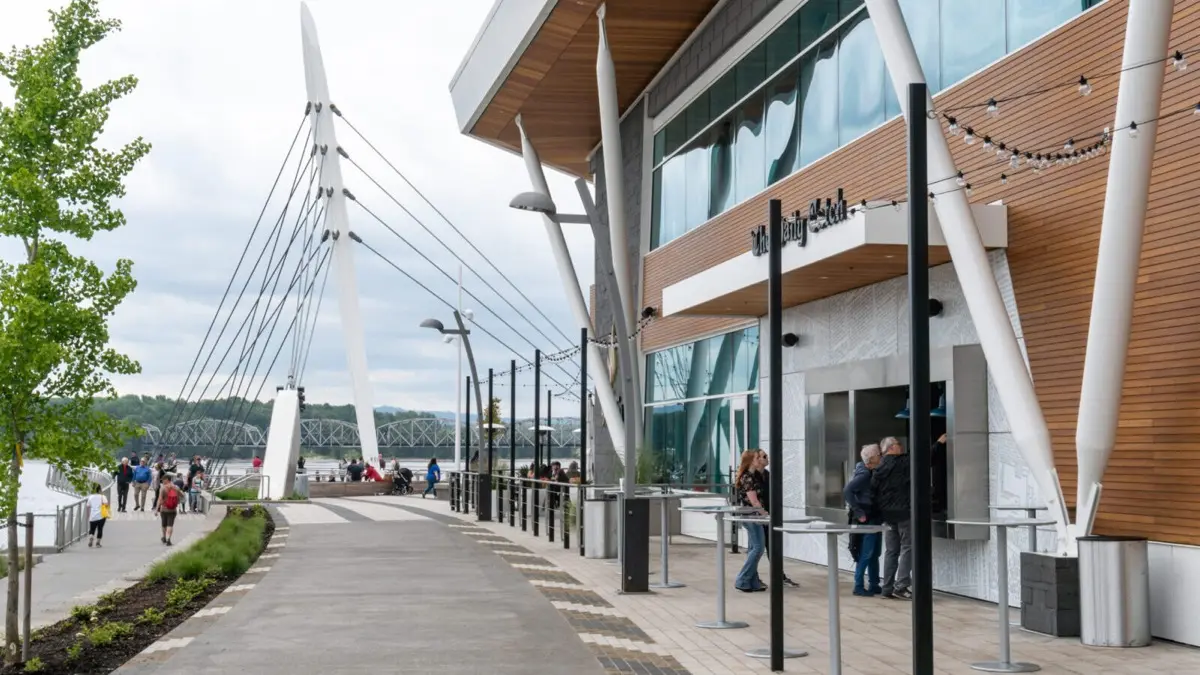
- Downtown & Esther Short: The most walkable choice, with breweries, farmers markets, the revitalized waterfront, and easy bridge access. Best for renters who want a city lifestyle and don't mind paying a premium for it.
- Fisher's Landing East & east Vancouver: Newer apartments and townhomes near tech employers, top-rated schools, and quick I-205 access. A favorite for families and commuters. See our look at east Vancouver for the lay of the land.
- Felida & Salmon Creek: Quiet, trail-rich, and family-friendly, with WSU Vancouver nearby. Great for renters who want a suburban feel and a yard. More in our Felida guide.
- Carter Park, Hough & Uptown Village: Historic homes, an artsy vibe, and walkable shops just north of downtown — character-rich and often more affordable than the waterfront.
Rents shift constantly, so rather than quote numbers that go stale, we keep current figures in two living resources: our roundup of average rent in Vancouver by neighborhood and our broader Vancouver neighborhoods guide. Check both before you set your budget — the gap between the cheapest and priciest areas is wide enough to change your whole search.
Cost of Living in Vancouver WA: Beyond the Rent
Rent is the headline, but the cost of living Vancouver WA picture includes several recurring costs newcomers often underestimate:
- Utilities: Electricity typically runs around $80 in summer and up to $115 or so in winter, depending on the home and your habits. Water, sewer, and garbage are often billed by the city or rolled into rent — confirm which when you sign.
- Internet: Gigabit service from providers like Ziply Fiber or Xfinity generally costs $65–$90/month.
- Renter's insurance: Usually required by the lease and inexpensive, commonly $13–$20/month.
- Sales tax: No state income tax, but plan for roughly 8.6%–9.4% sales tax on most purchases — and yes, that can include some services.
For a full apples-to-apples breakdown — including how Vancouver stacks up against Portland and the national average — see our dedicated guide to the cost of living in Vancouver WA. And once you've signed, our checklist for setting up utilities in Vancouver WA will save you a frantic first week.
Washington Rent Laws Newcomers Should Know
Moving from another state? Washington's tenant protections may be stronger than what you're used to, and knowing them up front helps you read a lease with confidence. The headline change is HB 1217, the 2025 rent-stabilization law, which caps most annual rent increases at the lesser of 7% plus CPI or 10% and prohibits any rent increase during the first year of a tenancy. For manufactured- and mobile-home lots, a separate cap under ESSB 6200 limits annual increases to 5%. Landlords must provide written notice before raising rent, and Washington also regulates how security deposits and certain fees are handled.
These rules exist to keep housing costs predictable, but they don't replace reading your specific lease. For the full picture, see our guides to renter rights in Washington, the latest on Washington's rent cap, and the broader set of Washington State rental laws. VPMG keeps residents updated on rule changes and posts the yearly cap directly to our tenant portal, so our renters always know where they stand.
Win the Rental Market: Be Ready to Act Fast
Rental listings in Vancouver move quickly — desirable units can lease within a few days. You'll improve your odds dramatically by having your paperwork ready before you tour: a valid photo ID, proof of income (most landlords look for about 3x the rent), rental references, and pet documentation if applicable. Flexibility helps too — offering to move mid-month or sign a longer lease can set you apart. VPMG's pre-qualification tool lets you verify income and credit once, then apply to multiple properties with no extra fees. If you're new to the process, our step-by-step guide on how to apply for a rental in Vancouver WA walks through exactly what underwriters look for.
The renters who land the best homes aren't the luckiest — they're the most prepared. Get pre-qualified, gather your documents, and you can apply the hour a listing goes live.
Local Lifestyle: Food, Outdoors, and Schools
Vancouver's culinary scene punches above its weight. The Vancouver Night Market (first Fridays, spring through fall) brings out dozens of food trucks, local roasters like Kafiex and Relevant fuel the coffee crowd, and breweries such as Heathen, Trap Door, and Fortside put a PNW spin on the IPA. The year-round Vancouver Farmers Market downtown stocks fresh produce, crafts, and handmade goods most weekends.
The outdoors are never far. Columbia River Gorge trailheads are about 20 minutes east, kayaking at Vancouver Lake and paddleboarding on the Columbia are local staples, and skiers can reach Mt. Hood in roughly 90 minutes or Mt. St. Helens in about 75. Within the city, you'll find a large network of parks and off-leash dog areas. Families relocating with kids will want to weigh school boundaries carefully — the Evergreen and Vancouver districts both have well-regarded programs, and Clark College and WSU Vancouver serve students and adult learners with in-state tuition. School zones can swing a rental decision, so confirm boundaries before you commit to a neighborhood.
Small Details That Make a Big Difference
A few practical quirks trip up almost every newcomer. Trash and recycling are color-coded, and some collections (like glass) run on a multi-week cycle — set a phone reminder so you don't miss pickup. Earthquake preparedness is a PNW fact of life, so keep a basic 3-day kit on hand and note your home's emergency shut-offs. Downtown parking is metered into the evening, while suburban rentals usually include reserved spaces. Quiet hours and noise ordinances are enforced, and you'll want a Washington DMV appointment early — they book up, so schedule it around the time you sign your lease. None of these are dealbreakers; they're just the kind of thing a local would tell you over coffee.
Relocating and Renting Out a Home? VPMG Can Help
Moving to Vancouver but keeping a property elsewhere — or buying here as an investment? VPMG Property Management handles leasing, screening, and day-to-day management for owners across Clark County. Reach us at (360) 803-2002 or info@vancouverpmg.com for an instant rental analysis.
For landlords and investors, the same trends that make Vancouver attractive to renters — in-migration, the Portland tax differential, and steady demand — also make it a strong rental market. If you're weighing the buy side, our look at why investors choose Vancouver WA and our rental market trends in Vancouver WA report are good next reads.
Frequently Asked Questions
Is moving to Vancouver WA worth it compared to Portland?
For many people, yes. Washington has no state income tax, which often gives Oregon-side earners an effective raise, and Vancouver generally offers more rental space per dollar than close-in Portland. The trade-offs are Clark County sales tax in the 8.6%–9.4% range and bridge traffic if you commute. Renters who work in Portland but live in Vancouver get the tax advantage plus more affordable housing minutes from the city.
What are the best Vancouver WA neighborhoods for renters?
It depends on your priorities. Downtown and Esther Short suit renters who want a walkable lifestyle near the waterfront. Fisher's Landing East and east Vancouver offer newer apartments, strong schools, and easy I-205 access. Felida and Salmon Creek are quieter and trail-rich. Carter Park, Hough, and Uptown Village mix historic charm with an artsy feel. Budget, commute, and walkability vs. a yard should drive the choice.
How much does it cost to live in Vancouver WA?
Beyond rent, plan for utilities (roughly $80–$120/month for electricity by season), internet around $65–$90/month, and renter's insurance near $13–$20/month. There's no state income tax, but Clark County sales tax runs about 8.6%–9.4%. Rent is the largest line item, so check current averages by neighborhood before signing.
How fast do rentals go in Vancouver WA?
The market moves quickly, and desirable units can lease within a few days. To compete, have a photo ID, proof of income (most landlords want about 3x rent), references, and pet documentation ready before you apply. Getting pre-qualified once and applying as soon as a unit lists gives you the best shot.
What rent protections apply when I move to Vancouver WA?
Washington's HB 1217 (2025) caps most annual rent increases at the lesser of 7% plus CPI or 10%, with a lower 5% cap for manufactured/mobile-home lots under ESSB 6200, and bars increases during the first year of tenancy. Landlords must give written notice before raising rent, and Washington limits how deposits and fees are handled. Review your lease and know your renter rights before signing.

Written by Avenir Gedarevich, Washington State Designated Broker (WA Managing Broker License #24033559) at VPMG Property Management in Vancouver, WA.