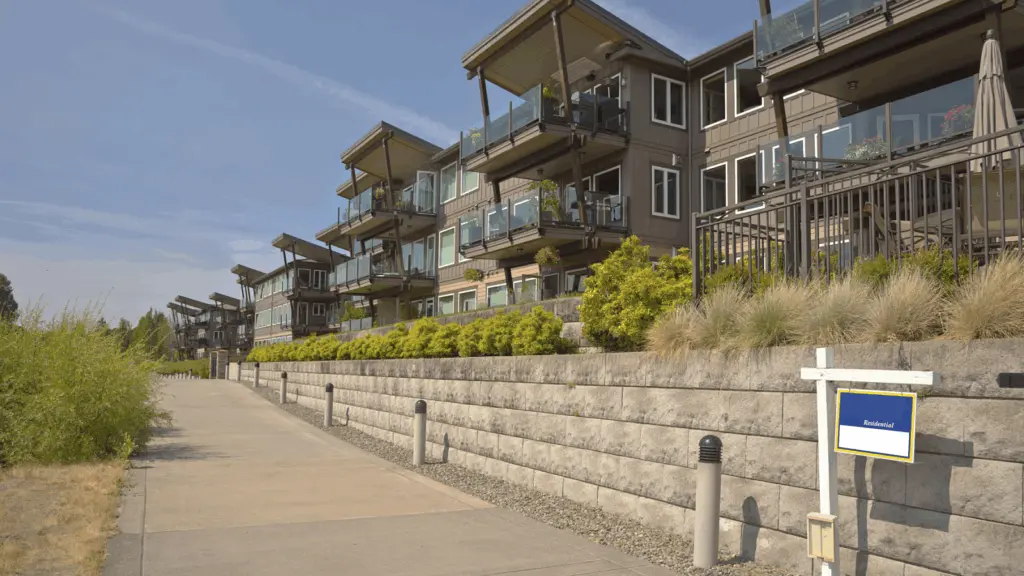
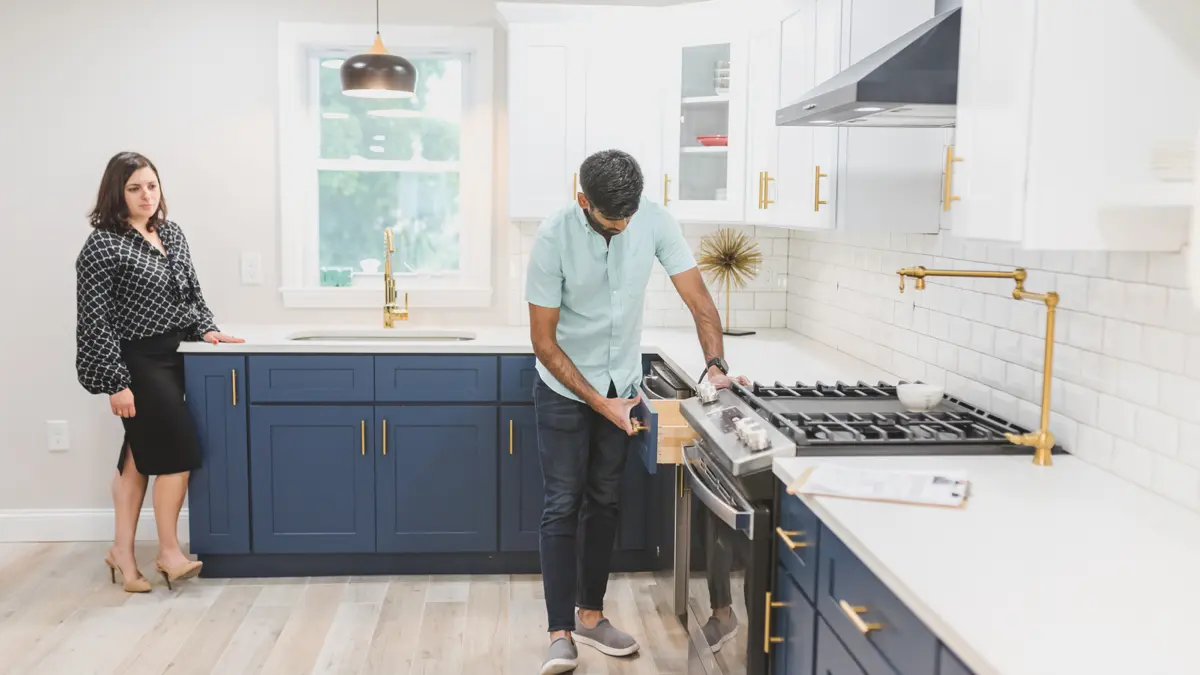
- Mandatory health and safety inspections of Vancouver rental units are scheduled to begin in mid-2027 as Phase 2 of the city's rental registration program (VMC 5.08).
- Registration itself is already mandatory: every long-term rental inside city limits must be registered, and the 2027 renewal is due by January 1 (late penalties apply after February 15).
- State law (RCW 59.18.125) caps inspections at once every 3 years, exempts newer buildings, and lets owners hire a private qualified inspector.
- In multifamily buildings, only a sample of units is inspected, but one failed unit can expand the inspection to the whole property.
- Inspectors will check the habitability standards you already owe tenants under RCW 59.18.060, so a proactive maintenance walk-through now is the cheapest way to pass later.
Vancouver's rental rules are changing in two steps, and most owners have only dealt with step one. In July 2025 the city council adopted a rental registration ordinance (Vancouver Municipal Code Chapter 5.08) that required every long-term rental in the city to be registered starting January 1, 2026. Step two is the part that gets far less attention: mandatory health and safety inspections, scheduled to begin in mid-2027.
This guide covers what the inspection program is, the hard limits Washington state law puts on it, what inspectors will look for, and the practical moves Vancouver owners should make between now and 2027. If you still need the basics on registering, fees, and the business license, start with our companion guide to rental license and registration requirements in Vancouver, WA.
Quick Recap: Registration Is Already Required
Before the inspection piece makes sense, two current obligations are worth restating. First, if you rent out residential property inside Vancouver city limits (single-family homes, duplexes, ADUs, apartments, condos), you must register each property annually with the city and pay $30 per unit. Registration includes a signed declaration that your units are fit for human habitation. Second, renewals for 2027 are due by January 1, 2027; the city treats registrations as late after February 15, and late fees run 10 percent of the amount due (minimum $10) plus 1.5 percent interest per 30 days under VMC 5.08.040.
Renting an unregistered unit is unlawful, and the registration itself can be suspended or revoked for code violations that endanger tenants. That revocation power is the hook that connects registration to the coming inspections.
What Phase 2 Adds: Mandatory Habitability Inspections
The city is rolling the program out in two phases. Phase 1 (2026) built the registration database. Phase 2 adds periodic inspections to verify that registered units actually meet health and safety standards, rather than relying on the owner's signed declaration and on tenant complaints.
Here is the city's published timeline:
| Date | Milestone |
|---|---|
| January 1, 2026 | Registration became mandatory citywide |
| Late 2026 | City finalizes inspection requirements; initial inspection notices planned |
| January 1, 2027 | 2027 registration renewal due ($30/unit; late after February 15) |
| Mid-2027 | Health and safety inspections begin |
One honest caveat: as of this writing, the city has not yet adopted the detailed inspection rules. The ordinance passed in 2025 covers registration; the inspection requirement arrives through a follow-up council action the city has been designing with a stakeholder workgroup. Early city materials and news coverage point to owner-paid periodic inspections with a pass, pass-with-corrections, or fail outcome. We will update this guide when the final rules are adopted.
The State-Law Guardrails: What Vancouver Can and Cannot Require
Whatever final shape Vancouver's program takes, it has to fit inside RCW 59.18.125, the state statute that authorizes local rental inspection programs. That statute is good news for owners, because it sets firm limits:
- Frequency: a certificate of inspection can be required no more than once every three years per property.
- New construction exemption: a property that received its certificate of occupancy within the last four years, with no code violations reported since, is exempt.
- Your choice of inspector: you may hire a qualified private inspector instead of using the city's housing code officer. A qualifying inspection performed within the previous 24 months can also be submitted in place of a new one.
- Limited scope: the inspector may investigate only as needed to issue the certificate. This is not an open-ended audit of your property.
- Appeals: if you dispute a finding from a municipal inspection, the city must provide an appeal process.
Multifamily Owners: How Unit Sampling Works
If you own a multifamily property, the state sampling rules matter most. You can choose to have 100 percent of units inspected and submit one certificate for the building, but if the city selects a sample instead, the caps are:
- 20 or fewer units: no more than 4 units inspected;
- 21 or more units: up to 20 percent of units, rounded up, with a hard cap of 50 units per property.
The catch is the failure trigger. If any sampled unit fails the initial inspection, the city may expand the requirement to up to 100 percent of the units on the property. The same expansion is allowed if health or safety complaints were reported since the last required inspection. In practice, your worst-maintained unit sets the inspection burden for the entire building, which is a strong argument for bringing every unit up to standard before inspectors ever arrive.
Sampling also comes with tenant notice duties: owners who sample must notify all units in writing that some units will be inspected, tell tenants how to report repair needs, and note that tenants can contact the city if the landlord does not respond. Separately, before any inspection entry, the tenant must receive written notice stating the date, approximate time, and the company or person performing the inspection.
What Inspectors Will Check
Vancouver is not inventing new standards. The registration declaration, and the coming inspections, are built on Washington's existing habitability duties under RCW 59.18.060, which every landlord in the state already owes tenants today:
- Structurally sound roof, walls, floors, and foundation, with effective weatherproofing;
- Working plumbing, heating, and electrical systems, plus reasonably available hot and cold water;
- Functioning smoke and carbon monoxide alarms;
- Working locks and keys on doors and windows;
- Freedom from pest infestations, accumulated moisture, and visible mold hazards;
- Safe common areas and maintained appliances the landlord supplies.
For the full picture of these duties and the tenant remedies behind them, see our guide to Washington habitability laws. If you self-manage, our walkthrough on conducting a tenant walk-through inspection shows how to document unit condition the same way a professional would.
What Happens if a Unit Fails
Expect a corrections window rather than an immediate penalty: the city's notice must state the reason and give a specified period to fix the violation. But the downstream consequences are real. Under VMC 5.08 and state law, continued noncompliance can mean civil penalties, expansion of inspections across the property, suspension or revocation of your rental registration, and a formal notice that renting the unit is unlawful until a certificate of inspection is provided. The city has also created a tenant relocation assistance fund for renters displaced by uninhabitable conditions, and an owner whose unit forces that outcome should expect scrutiny.
One more line owners should never cross: knowingly submitting a falsified certificate of inspection, or falsified information to obtain one, is a gross misdemeanor under state law, with a fine of up to $5,000 on top of local penalties.
How Vancouver Owners Should Prepare in the Next 6 Months
- Confirm every unit is registered. Unregistered units are the first thing the database makes visible to the city. Then calendar the January 1, 2027 renewal.
- Run your own habitability sweep now. Test every smoke and CO alarm, check locks, look for moisture and pest issues, and verify heat, hot water, and electrical are solid. Our rental property maintenance checklist is a good template.
- Fix the worst unit first. In multifamily buildings, the sampling rules mean one failing unit can pull the entire property into inspection scope.
- Keep records. Dated photos, maintenance invoices, and inspection reports make the eventual certificate process faster, and a professional inspection from the prior 24 months may count outright.
- Watch the council calendar. The final inspection rules, fees, and scheduling are expected over the coming months. We track every rule change that touches Vancouver rentals in our Washington rental laws overview and on our owner resources hub.
The owners who treat mid-2027 as a deadline will scramble. The owners who treat the next six months as a free pre-inspection window will pass on the first visit, with a sampling cap working in their favor instead of against them.
Inspection-Ready, Before Inspections Exist
VPMG Property Management already runs documented annual inspections on every home we manage in Vancouver, WA, checks the exact habitability points the city program is built on, and handles registration and renewals for our owners. Call (360) 803-2002 or email info@vancouverpmg.com for a free rental consultation before the 2027 rules land.
Frequently Asked Questions
When do rental inspections start in Vancouver, WA?
The City of Vancouver plans to begin health and safety inspections of rental units in mid-2027, as Phase 2 of the rental registration program adopted in July 2025. The city's implementation timeline calls for inspection requirements to be finalized in late 2026, with initial inspection notices going out before inspections begin. The detailed inspection rules had not been adopted as of October 2026, so watch city council actions through the winter.
How often will my Vancouver rental be inspected?
Washington state law (RCW 59.18.125) caps mandatory rental inspection programs at no more than once every three years per property. Newer buildings are exempt entirely if they received a certificate of occupancy within the last four years and had no code violations reported in that time. A qualifying inspection from the previous 24 months can also be submitted instead of a new one.
Who pays for the rental inspection in Vancouver?
Early city materials and news coverage indicate owners will pay for the inspections, and state law lets owners hire their own qualified private inspector instead of using a municipal inspector. The $30 per unit registration fee does not cover inspections. The exact fee structure will be set when the city adopts the final inspection rules.
Does every unit in my building get inspected?
Usually not. Under RCW 59.18.125, a city may sample units rather than inspect all of them: at most 4 units in a property of 20 or fewer units, and up to 20 percent of units (rounded up, capped at 50) in larger properties. If a sampled unit fails, the city can expand the inspection to up to 100 percent of units, so one bad unit can put the whole building in scope.
What will Vancouver rental inspectors check?
The program is built around Washington's existing habitability standards in RCW 59.18.060: sound structure and weatherproofing, working plumbing, heating, and electrical systems, hot and cold water, smoke and carbon monoxide alarms, functioning locks, pest control, and freedom from health and safety hazards. These are the same standards every Washington landlord is already legally required to meet today.
What happens if my rental fails the inspection?
You will be given a period to correct the deficiencies. Under state law and VMC 5.08, continued noncompliance can lead to penalties, expansion of the inspection to every unit on the property, suspension or revocation of your rental registration, and a notice that renting the unit is unlawful until a certificate of inspection is provided. Knowingly submitting a falsified certificate is a gross misdemeanor with a fine of up to $5,000.
This article is general information for Washington rental owners, not legal advice. Vancouver's Phase 2 inspection rules were still being finalized at publication and details may change. Confirm current requirements with the City of Vancouver (rentalregistration@cityofvancouver.us, 360-487-7928) or a qualified attorney before acting.

Written by Avenir Gedarevich, Washington State Designated Broker (WA Managing Broker License #24033559) at VPMG Property Management in Vancouver, WA.